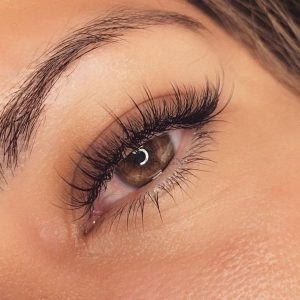
The beauty industry is experiencing an unprecedented surge in demand for lash services, with mink lashes leading the charge as clients increasingly seek luxurious, natural-looking results. For salon owners, this boom represents a significant revenue opportunity — but only if you have the right tools on hand to deliver consistently exceptional results.
- The Importance of Quality Lash Tools for Salon Success
- Essential Lash Tools Every Salon Must Stock
- Bulk Purchasing Strategies for Lash Supplies
- Incorporating Latest Lash Trends: Lash Lifting and Mink Lashes
- Step-by-Step Guide to Stocking Up on Mink Lashes Tools
- Build Your Salon’s Premium Lash Supply System Today
The challenge most salon owners face isn’t recognizing this opportunity; it’s executing on it efficiently. Sourcing quality lash tools, managing bulk purchases without overspending, and staying ahead of evolving trends like lash lifting can feel overwhelming alongside the daily demands of running a busy salon. A poorly stocked supply room translates directly into missed appointments, inconsistent service quality, and clients walking out the door to competitors.
This guide cuts through the complexity. Whether you’re building your lash service from the ground up or refining an existing offering, you’ll find practical strategies for identifying essential tools, sourcing mink lashes and supplies in bulk, managing inventory costs, and integrating the latest trends into your service menu — everything you need to position your salon as the go-to destination for premium lash services.
The Importance of Quality Lash Tools for Salon Success
In a competitive beauty market, the tools you use speak before your technicians do. Clients booking mink lash services arrive with high expectations — they’ve seen flawless results on social media, paid a premium price, and want an experience that justifies every dollar. When your salon delivers that experience consistently, word spreads fast. When it doesn’t, so do the negative reviews.
Premium lash tools directly influence the quality of every application. Mink lashes, prized for their lightweight feel and remarkably natural appearance, require precision instruments to apply correctly. A subpar tweezer with inconsistent tension, a low-grade adhesive that loses hold within days, or a poorly designed applicator can turn an otherwise skilled technician’s work into a liability. The result is clients who don’t rebook, demand corrections, or worse, attribute a bad experience to your salon’s overall standard of care.
The financial case is equally compelling. Client retention is significantly cheaper than client acquisition, and retention hinges on consistent, high-quality results. Investing in reliable lash supplies reduces the frequency of touch-up appointments, minimizes product waste from failed applications, and allows your team to work efficiently — serving more clients per day without sacrificing quality. Salons that build a reputation around premium tools and materials also gain the leverage to charge higher service rates, directly boosting revenue margins over time.
Essential Lash Tools Every Salon Must Stock
Building a well-equipped lash station starts with understanding which tools are non-negotiable versus which are nice to have. At the foundation of any professional lash service are four categories: tweezers, adhesives, curlers, and applicators — with mink lashes themselves being the premium product that ties the entire service together. Skimping on any of these creates weak points in your workflow that show up in the quality of finished results.
When selecting tools, prioritize professional-grade materials over budget alternatives. Stainless steel tweezers with precise tension, medical-grade adhesives formulated for sensitive eyes, and ergonomic applicators designed for extended use all contribute to safer, more consistent applications. Mink lashes specifically demand tools that can handle their delicate structure — the fibers are finer than synthetic alternatives, and rough handling during application can compromise both the lash and the client experience. Suppliers like SenseLashes, which specialize in eyelash extensions and professional lash tools, are worth evaluating when building out your core supply list. Always verify that adhesives and materials carry appropriate safety certifications before introducing them to your service menu.



Tweezers for Lashes: Types and Best Practices
Professional lash work relies on at least two tweezer types: straight tweezers for isolating natural lashes and curved or L-shaped tweezers for picking up and placing extensions with precision. Volume lash techniques often require a third style — the boot or mega volume tweezer — designed to fan multiple lashes simultaneously. Regardless of type, tweezers should be sterilized between every client using an autoclave or hospital-grade disinfectant solution, and tips should be inspected regularly for misalignment, which can cause lashes to slip or natural hairs to be damaged during isolation.
Other Vital Supplies: Adhesives, Curlers, and More
Beyond tweezers, a fully stocked lash station requires a rotating supply of lash adhesive in both standard and sensitive formulations to accommodate clients with varying tolerances. Adhesive should be stored according to manufacturer guidelines — typically in a cool, dry environment — and replaced regularly since expired glue is a leading cause of poor retention. Lash curlers and lifting rods serve double duty when your salon also offers lash lifting services. Microfiber brushes, gel pads for under-eye protection, and lint-free applicators round out the essentials. Organized storage trays and labeled containers keep workstations efficient, reducing setup time between appointments and ensuring technicians can locate the right tool without interrupting their workflow.
Bulk Purchasing Strategies for Lash Supplies
Buying lash supplies in bulk is one of the smartest financial moves a salon owner can make — but only when done strategically. Unplanned bulk purchases can tie up cash in slow-moving inventory, while under-ordering forces last-minute purchases at retail prices that erode your margins. The goal is finding the sweet spot: enough stock to ensure uninterrupted service delivery without excess product expiring on your shelves.
Start by analyzing your service volume over the previous three months. Calculate how many lash appointments you complete weekly, which lash styles and curl types move fastest, and which adhesive formulations your technicians use most. This data becomes your purchasing baseline. From there, identify which items make sense to buy in bulk — high-turnover consumables like adhesives, gel pads, and microfiber brushes are ideal candidates — versus specialty items you should order conservatively until demand is established. When negotiating with suppliers, ask about tiered pricing structures, minimum order quantities, and whether sample orders are available before committing to large volumes. Many wholesale distributors offer meaningful discounts at specific quantity thresholds, so understanding those breakpoints helps you time orders to maximize savings without overcommitting.
Finding Reliable Suppliers for Bulk Orders
Vetting suppliers before placing bulk orders protects both your investment and your clients. Look for distributors who specialize in professional salon supplies rather than general beauty retailers, as they’re more likely to carry certified, professional-grade mink lashes and tools. Request documentation of product certifications, particularly for adhesives and materials that contact skin. Check independent reviews on industry forums and ask peer salon owners for referrals — firsthand experience from colleagues carries more weight than supplier-provided testimonials. Brands such as SenseLashes that focus exclusively on eyelash extensions tend to offer more consistent product quality and stock availability than generalist distributors. Prioritize suppliers who offer responsive customer service and clear return policies for defective products.
Cost-Effective Inventory Management
Once you’ve established supplier relationships, managing inventory efficiently keeps costs under control. Implement a simple tracking system — even a spreadsheet works — that logs current stock levels, reorder thresholds, and expiration dates for adhesives and other time-sensitive products. Set reorder points for each item before stock runs critically low, giving yourself a buffer that accounts for shipping lead times. Rotate stock using a first-in, first-out approach to prevent older products from sitting unused until they expire. Review your inventory monthly against appointment volume, adjusting order quantities seasonally as demand shifts. These habits eliminate emergency purchases, reduce waste, and ensure your team always has what they need to deliver consistent results without interruption.
Incorporating Latest Lash Trends: Lash Lifting and Mink Lashes
Staying current with lash trends isn’t just about keeping up appearances — it’s a direct revenue strategy. Two services dominating client request lists right now are lash lifting and mink lash extensions, and salons that offer both under one roof are capturing a wider client base while increasing average ticket value per visit. The key is integrating these services thoughtfully, with the right tools, trained staff, and a marketing approach that communicates your expertise clearly.
Adding new services requires upfront investment in both equipment and education. Before launching lash lifting or upgrading to premium mink lash offerings, ensure your technicians complete hands-on training with the specific tools and products you’ll be using. Technique varies by product line, and training on the actual supplies in your salon reduces errors during real appointments. Once your team is confident, update your service menu, refresh your social media content with before-and-after results, and consider introductory pricing to drive first-time bookings. Clients who experience quality results from a new service become advocates who bring in referrals.
Understanding Lash Lifting Techniques and Tools
Lash lifting is a semi-permanent treatment that curls and lifts a client’s natural lashes from the base, creating an open-eyed effect that lasts six to eight weeks. The process requires silicone lifting rods in multiple sizes, a two-step perming and setting solution, adhesive to secure lashes to the rod, and a nourishing aftercare serum. Clients love it as a low-maintenance alternative to extensions, making it an excellent add-on service that broadens your appeal beyond the extension-focused clientele.
Why Mink Lashes Remain a Top Trend
Mink lashes have maintained their position at the top of the premium lash market because they deliver something synthetic alternatives struggle to replicate: a soft, featherweight feel that mimics the movement and sheen of natural lashes. Clients who’ve worn mink extensions rarely want to switch back, which translates into strong repeat booking rates for salons that stock them consistently. To capitalize on this demand, keep a curated selection of curl types — typically C, D, and DD curls — across a range of lengths and thicknesses to accommodate different eye shapes and client preferences. When promoting mink lashes, lead with the experience: the comfort, the natural finish, and the longevity compared to lower-grade alternatives. That narrative justifies a premium price point and attracts clients who prioritize quality over cost.
Step-by-Step Guide to Stocking Up on Mink Lashes Tools
Knowing what to buy is only half the battle — the other half is executing your stocking strategy in a way that’s systematic, cost-efficient, and built to scale with your salon’s growth. Follow these five steps to build a supply system that keeps your lash stations fully equipped without creating unnecessary financial strain. First, audit your current inventory and service volume to establish a clear baseline. Second, research products and suppliers, prioritizing certified mink lashes and professional-grade tools with verified reviews. Third, place bulk orders strategically using the tiered pricing insights covered earlier, starting conservatively with new products until demand is confirmed. Fourth, train your staff on any new tools or techniques before those products go live in appointments — this prevents costly errors and protects your salon’s reputation during the transition. Fifth, build a monthly trend review into your operations calendar so your service menu and supply list evolve alongside client demand. Use the following checklist to stay on track: current stock audit completed, supplier shortlist vetted, bulk order thresholds calculated, staff training scheduled, and reorder points set for all high-turnover items.
Assessing Your Salon’s Lash Tool Needs
Begin with a physical walkthrough of every lash station. Document what’s present, what’s running low, and what’s missing entirely. Cross-reference your findings against your appointment records — note which services are booked most frequently and whether your current supplies can support that volume for at least four weeks without reordering. Gaps between what you have and what your service menu demands are your immediate purchasing priorities.
Implementing and Maintaining Your Stock
When orders arrive, inspect every item before shelving — check for damage, verify quantities, and confirm expiration dates on adhesives and solutions. Organize your supply area by category with clear labels, keeping most-used items at arm’s reach and backup stock in a designated overflow area. Assign one team member as the inventory point person responsible for logging new arrivals and flagging low-stock alerts. Schedule a brief monthly stock review — fifteen minutes is enough — to compare current levels against appointment volume, adjust reorder quantities for seasonal shifts, and retire any expired products. Consistency in these habits eliminates supply disruptions and keeps your team focused on clients rather than scrambling for missing tools mid-appointment.
Build Your Salon’s Premium Lash Supply System Today
Building a well-stocked lash supply system isn’t a one-time task — it’s an ongoing commitment to the quality and consistency that keeps clients coming back. Throughout this guide, we’ve covered the foundations: why premium tools like mink lashes directly influence your salon’s reputation and revenue, which essential supplies every lash station needs, and how to approach bulk purchasing strategically without overextending your budget. We’ve also explored how staying current with trends like lash lifting and premium mink extensions positions your salon to capture a broader, more loyal clientele.
The difference between salons that thrive in the lash market and those that struggle often comes down to preparation. When your supply room is organized, your inventory is tracked, and your team is equipped with the right tools, every appointment runs smoother — and every client leaves more satisfied. That consistency is what drives referrals, repeat bookings, and the kind of reputation that sustains long-term growth.
Now is the time to put this guide to work. Start with a thorough inventory audit, identify your supply gaps, and reach out to vetted wholesale suppliers to establish reliable sourcing relationships. Upgrade your mink lash selection, invest in your team’s training, and build the monthly review habits that keep your salon ahead of the curve. Your next level of service quality starts with the supplies you stock today.