Last summer, a family in Colorado let their golden retriever, Max, off-leash for just a moment at a trailhead. Within seconds, Max bolted after a deer and vanished into dense forest. Three agonizing days passed before a hiker found him miles away, dehydrated and limping. Stories like Max’s happen thousands of times each year, and they don’t always end well. This is exactly why a dog collar GPS has become an essential tool for modern pet owners who refuse to leave their dog’s safety to chance. Whether you’re hiking remote trails, visiting an unfenced park, or simply worried about a gate left open at home, GPS tracking technology offers real-time peace of mind that traditional ID tags never could. A reliable dog tracker does more than locate a lost pet—it actively prevents dangerous situations before they escalate. In this article, we’ll explore how GPS dog collars work, their core safety and health monitoring features, how to choose the right device, and practical steps for setup that maximize your pet’s protection every single day.
- The Evolution of Pet Safety: From Leashes to GPS Tracking
- Core Safety Features of a GPS Dog Tracker for Outdoor Security
- Beyond Safety: Activity Monitoring and Health Insights for Your Dog
- How to Choose the Right GPS Dog Collar: A Buyer’s Guide
- Implementing Your GPS Dog Collar: Practical Steps for Maximum Safety
- GPS Dog Collars: Your Partner in Lifelong Pet Safety and Wellness
The Evolution of Pet Safety: From Leashes to GPS Tracking
For centuries, pet safety relied on simple physical restraints—leashes, fences, and locked gates. While these tools still matter, they share a fundamental limitation: they fail the moment something goes wrong. A broken fence board, a slipped collar, or an unlatched gate instantly renders traditional methods useless. As dogs became more integrated into active lifestyles—joining owners on hikes, camping trips, and beach outings—the gap between old safety tools and modern needs widened dramatically. Enter GPS tracking technology, which transformed pet safety from reactive to proactive. Instead of hoping your dog stays put, you can now know exactly where they are at every moment. A dog collar GPS represents the convergence of satellite technology, cellular networks, and smartphone apps into a lightweight, wearable device designed specifically for pets. For owners who travel with their dogs, live near busy roads, or have escape-prone breeds, this technology addresses a genuine need that no amount of training or fencing can fully solve.
What is a GPS Dog Collar and How Does It Work?
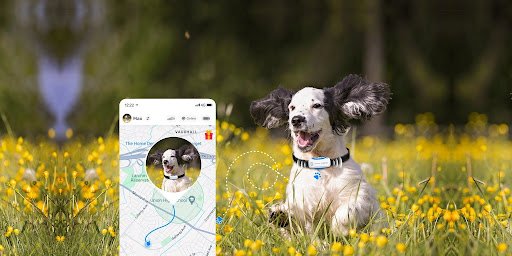
A GPS dog collar is a wearable device that attaches to your pet’s collar or integrates directly into the collar itself, continuously calculating your dog’s position using satellite signals. The device contains a GPS receiver that communicates with orbiting satellites to determine precise coordinates.
That location data then transmits via cellular connectivity to a cloud server, which relays the information to your smartphone app in near real-time. Think of it as a dog tracker that works anywhere cellular coverage exists—across neighborhoods, through forests, and even in rural areas with basic network infrastructure. Most modern units combine GPS with additional positioning technologies like Wi-Fi and Bluetooth for enhanced accuracy in urban environments where satellite signals may bounce off buildings. The companion app displays your dog’s location on a map, stores movement history, and sends push notifications when specific conditions are triggered, creating a comprehensive safety ecosystem that fits in the palm of your hand.
Core Safety Features of a GPS Dog Tracker for Outdoor Security
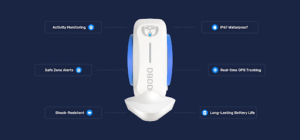
When you’re exploring the outdoors with your dog, safety features need to work instantly and reliably. The core value of any dog collar GPS lies in its ability to keep you connected to your pet regardless of terrain, weather, or distance. Modern GPS tracking devices are built to withstand the realities of active dogs—submersion in streams, impacts against rocks, and exposure to mud and rain. Waterproof ratings and rugged housings ensure the device keeps functioning precisely when you need it most, whether your dog is splashing through a creek or rolling in wet grass during a storm.
Real-Time Location Tracking and Alerts
Continuous GPS tracking means your dog’s position updates every few seconds, painting a live picture of their movement on your phone’s map. This isn’t a periodic check-in—it’s an ongoing stream of data that shows direction, speed, and exact coordinates. The moment your dog moves unexpectedly or travels beyond a set distance, the system pushes an instant alert to your phone. If your dog bolts during a thunderstorm or slips away at a crowded campsite, you’ll know within seconds rather than discovering their absence minutes later. This immediate notification window is often the difference between a quick retrieval and a prolonged, dangerous search.
Geofencing: Creating Virtual Safe Zones
Geofencing allows you to draw custom boundaries on a digital map—around your yard, a campsite, or any area where your dog should remain. The dog tracker monitors your pet’s position against these invisible perimeters and triggers an alert the instant they cross a boundary line. You can set multiple zones for different scenarios: a tight perimeter around your home for daily use and a wider boundary for off-leash park visits. This feature is particularly valuable for owners with yards that lack physical fencing or those staying in unfamiliar locations where escape routes aren’t immediately obvious. Rather than constantly watching your dog, geofencing acts as an automated safety net that never loses focus.



Beyond Safety: Activity Monitoring and Health Insights for Your Dog
GPS dog collars have evolved far beyond simple location tracking. Today’s devices double as comprehensive health companions, giving you a window into your dog’s daily well-being that was previously impossible without a veterinary visit. By combining GPS tracking with built-in accelerometers and behavioral algorithms, a modern dog collar GPS captures detailed activity and health data throughout the day. This shift from pure safety tool to holistic health monitor addresses what many pet owners genuinely want—not just knowing where their dog is, but understanding how their dog is doing physically. The data these devices collect can reveal subtle changes in behavior or fitness that the human eye might miss, turning your dog tracker into an early warning system for potential health concerns.
Tracking Daily Activity Levels and Exercise Goals
Activity monitoring built into GPS collars tracks metrics like distance traveled, active minutes, and intensity of movement throughout each day. Over time, the companion app establishes a baseline for your dog’s normal activity level and helps you set appropriate exercise goals based on breed, age, and weight. This matters because canine obesity affects a significant percentage of domestic dogs and leads to joint problems, diabetes, and shortened lifespans. When you can see that your dog only covered half their usual distance on a given day, or that their weekend hike burned significantly more energy than a weekday walk, you can adjust routines accordingly. These insights transform guesswork into informed decisions about how much exercise your dog truly needs to stay fit and healthy.
Health Metrics and Proactive Alerts
Beyond exercise data, advanced GPS collars monitor rest patterns, sleep quality, and behavioral trends that serve as meaningful health indicators. If your dog suddenly sleeps far more than usual, becomes restless at night, or shows a marked decrease in daily movement, the app flags these anomalies with proactive alerts. These notifications don’t replace veterinary care, but they give you concrete data to share with your vet during checkups—or a reason to schedule one sooner. For aging dogs or breeds prone to specific conditions, this kind of continuous health insight is invaluable. Catching a change in behavior early, before visible symptoms appear, can mean the difference between a manageable condition and a serious medical emergency. The combination of GPS tracking and health monitoring ensures your dog collar GPS works around the clock to protect both your pet’s location and their long-term well-being.
How to Choose the Right GPS Dog Collar: A Buyer’s Guide
Selecting the right dog collar GPS requires matching a device’s capabilities to your specific lifestyle and your dog’s behavior. Not every tracker suits every situation, and the wrong choice can leave you frustrated with dead batteries or unreliable connections precisely when you need them most. Start by honestly assessing how you’ll use the device—daily neighborhood walks demand different features than weekend backcountry adventures. Consider your dog’s size and temperament, since a bulky unit won’t work on a small breed, and a fragile design won’t survive a dog that loves rough play. Subscription plans also vary widely between manufacturers, so factor in ongoing cellular service costs alongside the initial purchase. Reading verified user reviews from owners with similar breeds and activity levels provides far more useful insight than spec sheets alone. Devices like the DBDD GPS Tracker have gained attention among pet owners for offering a balance of reliable tracking and practical design suited to various dog sizes. Before committing, confirm that the device’s cellular network covers your area, especially if you live rurally or frequently travel to remote locations where coverage gaps could render GPS tracking useless.
Key Factors: Battery Life, Accuracy, and App Usability
Battery life tops the priority list because a dead dog tracker offers zero protection. Look for devices that balance frequent location updates with power efficiency—some units last several days on a single charge by intelligently adjusting update intervals based on your dog’s movement. Accuracy matters equally; a device that pinpoints your dog within a few meters is far more useful during an urgent search than one with a wide margin of error. Test the companion app before relying on it in an emergency. The interface should display your dog’s location clearly, make geofencing setup intuitive, and deliver alerts without delay. An app that’s confusing under calm conditions becomes nearly impossible to navigate when you’re panicked about a missing pet. Finally, evaluate how seamlessly the app integrates activity monitoring and health insights alongside safety features, since a unified platform simplifies daily use and ensures you actually engage with the data rather than ignoring it.
Implementing Your GPS Dog Collar: Practical Steps for Maximum Safety
Owning a GPS dog collar only delivers results when you set it up correctly and integrate it into your daily routine. Too many owners charge the device, strap it on, and never configure the features that actually prevent emergencies. Taking thirty minutes for proper setup transforms your dog collar GPS from an expensive accessory into a genuinely life-saving tool that works seamlessly every time your dog steps outside.
Step-by-Step Setup and Daily Usage Tips
Start by fully charging the device before first use—a partial charge during initial pairing can cause connectivity issues that frustrate the setup process. Download the companion app and create your account, then follow the in-app pairing instructions to connect the tracker via Bluetooth. Once paired, immediately configure your primary geofence around your home property, drawing the boundary slightly inside your actual fence line or yard edge so alerts trigger before your dog reaches the street. Add secondary zones for locations you visit regularly, like a favorite park or a relative’s house. Set notification preferences to push alerts for both geofence breaches and unusual inactivity, ensuring you’re covered for escapes and potential health concerns simultaneously. For daily use, build a quick morning habit: check battery level on the app, confirm GPS tracking is active, and verify your phone’s notifications aren’t silenced. Before outdoor adventures, switch the device to high-frequency update mode for tighter tracking accuracy. Clean the unit weekly to prevent dirt buildup around charging contacts, and inspect the collar attachment point for wear. If you notice location drift or delayed updates, restart the device and confirm cellular signal strength in your area. These small maintenance steps ensure your dog tracker performs reliably month after month, keeping your pet protected through every season and situation.
GPS Dog Collars: Your Partner in Lifelong Pet Safety and Wellness
A GPS dog collar fundamentally changes how you protect your pet by replacing uncertainty with real-time knowledge. Through continuous GPS tracking, instant escape alerts, and customizable geofencing, a dog collar GPS ensures you’re never more than a glance at your phone away from knowing exactly where your dog is—whether they’re napping in the backyard or bolting toward an open gate. Beyond location safety, activity monitoring and health insights give you daily visibility into your dog’s physical condition, helping you maintain proper exercise routines and catch behavioral changes that might signal emerging health problems before they become serious. This combination of safety and wellness monitoring means your dog tracker works for you around the clock, not just during emergencies. For any owner who has experienced even a moment of panic wondering where their dog went, adopting this technology delivers genuine, daily peace of mind. As GPS accuracy improves, battery technology advances, and health algorithms grow more sophisticated, these devices will only become more capable partners in keeping our dogs safe, healthy, and close to home for years to come.