You wake up at 6 AM, answer emails before breakfast, sit through back-to-back meetings, and somehow find yourself at 9 PM wondering where the day went — and whether that gym membership you’re paying for is just an expensive source of guilt. Sound familiar? For millions of busy professionals, the gap between wanting to stay fit and actually making it happen feels impossibly wide.
- The Unique Fitness Needs of Busy Professionals
- Core Features to Look for in a Home Cardio Machine
- In-Depth Review: The Air Water Magnetic Rowing Machine
- How Data Tracking Enhances Your Workout Efficiency
- Practical Solutions: Setting Up and Using Your Machine Effectively
- Quick Setup Guide for Your Cardio Machine
- Creating an Efficient Workout Routine with Data Insights
- Tips for Maintaining Consistency Amid a Busy Schedule
- Fitness That Fits Your Professional Life
The real problem isn’t motivation. It’s logistics. Traditional gym routines demand commute time, locker room rituals, and rigid schedules that simply don’t bend around deadlines and last-minute calls. What busy professionals genuinely need is a smarter approach — one built around a reliable home workout setup that delivers results without the overhead.
That’s where choosing the right cardio workout machine becomes a game-changer. The ideal machine doesn’t just fit in your living room; it fits into your life. It sets up quickly, works hard in short sessions, and uses data tracking to ensure every minute you invest actually moves the needle. In this article, we’ll explore exactly what makes a cardio machine worth your limited time, spotlight a compelling option in the air water magnetic rowing machine, and give you a practical roadmap for building fitness into even the most demanding schedule.
The Unique Fitness Needs of Busy Professionals
Busy professionals don’t just have less time — they have less predictable time. A meeting that runs long, an urgent client call, or a late project deadline can obliterate the best-laid workout plans in seconds. This reality demands a fundamentally different approach to fitness than the one most gym culture promotes. You can’t build a reliable routine around a commute, a class schedule, or equipment that takes twenty minutes to figure out each session.
What this demographic actually needs is efficiency at every level. First, the physical barrier to starting a workout must be nearly zero — a machine that’s ready when you are, not one that requires setup rituals or a dedicated warm-up just to operate. Second, every session needs to pull its weight. When you have 20 minutes between calls, those 20 minutes should deliver measurable cardiovascular benefit, not just movement for movement’s sake. That’s where progress tracking becomes less of a luxury and more of a necessity. Knowing your output — strokes per minute, calories burned, heart rate zones — transforms a short session from a vague effort into a quantifiable result you can build on. For busy professionals, a cardio workout machine isn’t just fitness equipment; it’s a productivity tool for their health, one that respects the scarcity of their most valuable resource: time.
Core Features to Look for in a Home Cardio Machine
Not every cardio machine deserves space in a professional’s home — or on their schedule. The right machine earns its place by removing friction at every turn, from the moment you decide to work out to the moment you step off. When evaluating options, three qualities consistently separate genuinely useful machines from ones that gather dust: compact footprint, low operating noise, and genuine workout versatility. A machine that folds away cleanly matters when your “gym” doubles as a home office or spare bedroom. Quiet operation matters when you’re rowing at 6 AM while a partner sleeps or taking a midday session between video calls. And versatility matters because a machine that only works one muscle group at one intensity level will eventually feel limiting, especially as your fitness improves.
The Importance of Easy Setup for Quick Workouts
Consistency is the single biggest predictor of fitness results, and nothing kills consistency faster than a machine that feels like a chore before you even start. Easy setup isn’t just a convenience feature — it’s a behavioral one. When a machine stores cleanly, powers on instantly, and requires no recalibration between sessions, the mental barrier to starting drops dramatically. A rowing machine that folds vertically and rolls into a corner, for instance, can go from stored to ready-to-use in under a minute. Compare that to reassembling a complicated multi-part system every time, and the difference in how often you actually use it becomes obvious. For busy professionals, the best machine is the one that’s ready the moment a 20-minute window opens up.
Benefits of a Dedicated Home Workout Space
There’s a psychological dimension to home workouts that rarely gets discussed: when your equipment is already there, the decision to exercise becomes dramatically simpler. You’re not negotiating traffic, parking, or gym hours — you’re just walking to the next room. This proximity effect compounds over time. Professionals who set up even a modest dedicated workout corner report exercising more frequently, not because they suddenly have more time, but because the activation cost dropped. Pair that with the time savings — no commute, no waiting for equipment, no locker room delays — and a home setup can realistically return 45 to 60 minutes per session back into your week. Over a month, that’s hours reclaimed without sacrificing results.



In-Depth Review: The Air Water Magnetic Rowing Machine
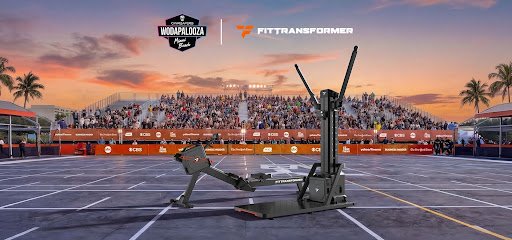
Among the growing field of home cardio equipment, the air water magnetic rowing machine stands out as a particularly well-matched solution for professionals who need serious results without serious time investment. Unlike single-resistance machines that plateau in challenge as your fitness grows, this hybrid design combines three distinct resistance mechanisms — air, water, and magnetic — to deliver a workout experience that adapts with you. The air component responds dynamically to your pull intensity, meaning the harder you row, the more resistance you encounter. The water element adds a fluid, natural feel that mimics on-water rowing and engages stabilizing muscles. The magnetic resistance layer allows for precise, consistent baseline adjustment regardless of how hard you’re pulling. Together, these systems create a machine that works equally well for a 15-minute high-intensity interval session and a longer, steady-state endurance row. FitTransformer’s air water magnetic rowing machine is one example of this category done well, with a design that visibly prioritizes the needs of time-pressed users from the ground up.
Key Features and Specifications
The design priorities of the air water magnetic rowing machine align closely with what busy professionals actually need from home equipment. Its adjustable resistance accommodates complete beginners and seasoned athletes within the same household, eliminating the need to buy different equipment as fitness levels change. Build quality typically centers on an aluminum or steel monorail with a smooth, reinforced seat track — details that determine long-term durability and quiet operation. From a space efficiency standpoint, most models in this category feature vertical folding capability, reducing the floor footprint to roughly the size of a bicycle when stored. The integrated performance monitor displays key metrics — stroke rate, split time, distance, and calories — giving you actionable data from the first session without requiring external devices or subscriptions.
Pros and Cons for Busy Lifestyles
The time efficiency argument for rowing machines generally is strong: a 20-minute rowing session engages approximately 86% of your muscle groups simultaneously, delivering both cardiovascular and strength stimulus in a fraction of the time other machines require. The air water magnetic variant amplifies this by allowing you to dial intensity precisely, which matters when you’re fitting workouts into unpredictable schedule gaps rather than structured hour-long blocks. Maintenance is genuinely minimal — the water tank requires occasional tablet treatment to prevent algae, and the magnetic system has no wearing components to replace. The honest drawback is the learning curve. Rowing technique takes a few sessions to feel natural, and poor form early on can undercut both effectiveness and comfort. That said, most users report feeling competent within two to three sessions, making it a manageable investment for anyone willing to spend one session watching a technique tutorial before their first real workout.
How Data Tracking Enhances Your Workout Efficiency
When time is your scarcest resource, guesswork is a luxury you can’t afford. Data tracking transforms every session from a vague effort into a measurable investment, giving you concrete evidence that your 20-minute window actually moved the needle. For busy professionals, this shift from intuition to information is what separates sustainable progress from perpetual starting over. Metrics like stroke rate, heart rate zones, calories burned, and split times don’t just tell you what happened — they tell you what to do differently next time. If your heart rate barely climbed during Tuesday’s session, you know to push harder on Thursday. If your split time improved by three seconds over two weeks, you have proof that the routine is working, which is exactly the kind of reinforcement that keeps a busy person coming back.
The motivational dimension of tracking is equally significant. Seeing a streak of completed sessions on a dashboard, or watching your average output climb week over week, creates momentum that willpower alone rarely sustains. Workout duration and consistency metrics are particularly valuable for professionals who struggle with all-or-nothing thinking — a 15-minute session that shows up in your log is objectively better than a skipped hour, and the data makes that visible in a way that gut feeling doesn’t.
Tools and Apps for Effective Data Tracking
Most modern rowing machines include a built-in performance monitor that captures the essential metrics without requiring any additional hardware. For professionals who want deeper analysis, apps like Concept2’s ErgData, Hydrow, or even general fitness platforms like Apple Health and Google Fit can sync with compatible machines via Bluetooth to aggregate workout history over time. Wearables like a chest strap heart rate monitor or a smartwatch add a physiological layer to the mechanical data, letting you correlate effort with actual cardiovascular response. The practical recommendation: start with whatever your machine’s native display offers, and only add apps or devices once you’ve identified a specific gap — like wanting to track heart rate zones or compare sessions week-over-week — rather than overwhelming yourself with tools before you’ve built the habit.
Practical Solutions: Setting Up and Using Your Machine Effectively
Owning the right cardio machine is only half the equation — the other half is integrating it into your life in a way that actually sticks. For busy professionals, this means reducing every possible point of friction, from the physical setup to the mental habit of showing up consistently. The good news is that a few deliberate decisions early on can make the difference between a machine you use daily and one that becomes an expensive coat rack.
Quick Setup Guide for Your Cardio Machine
When your rowing machine arrives, resist the urge to rush through assembly. Spend 30 minutes doing it properly once, and every session after becomes effortless. Start by identifying your dedicated spot before unboxing — ideally a space with enough clearance to extend fully on the recovery stroke, roughly nine feet in length. Follow the manufacturer’s assembly sequence for the monorail and seat track first, as these are the structural components that affect ride quality. Fill the water tank to the recommended level, add the included purification tablet, and run three to four slow strokes to distribute water evenly before checking resistance feel. Connect the performance monitor and confirm it powers on with the first stroke. Finally, fold the machine to its vertical storage position and roll it to your chosen corner — this rehearsal matters because knowing the machine stores cleanly removes the last mental objection to using it regularly.
Creating an Efficient Workout Routine with Data Insights
Your performance monitor is most valuable when you treat it as a feedback loop rather than a passive display. In your first week, row at a comfortable pace and note your average split time — this becomes your baseline. From there, structure sessions around specific targets: aim to hold a split time two to three seconds faster than baseline for interval blocks, then recover to baseline pace. Week over week, watch whether your resting split improves without additional effort, which signals genuine cardiovascular adaptation. Set a single primary goal per month — improving average stroke rate, extending session duration, or reducing split time — rather than chasing every metric simultaneously. This focused approach turns raw data into a clear direction, which is exactly what a busy professional needs to make short sessions feel purposeful.
Tips for Maintaining Consistency Amid a Busy Schedule
Consistency for busy professionals isn’t about discipline — it’s about design. Schedule workouts the same way you schedule calls: block the time, assign it a location, and treat cancellation as an exception rather than a default. Three 20-minute sessions per week will outperform two planned hour-long sessions that regularly get bumped. Keep a water bottle and workout clothes staged next to the machine the night before, so morning sessions require zero decision-making. On genuinely compressed days, a 10-minute high-intensity interval row — eight hard strokes, four easy, repeated — delivers meaningful cardiovascular stimulus and keeps the habit alive without demanding time you don’t have. The goal isn’t perfection; it’s presence. Showing up consistently, even briefly, compounds into results that a sporadic perfect session never will.
Fitness That Fits Your Professional Life
The search for a cardio workout machine that genuinely fits a professional’s life doesn’t have to end in compromise. What this article has made clear is that the right machine checks three non-negotiable boxes: it sets up without friction, it delivers measurable results through reliable data tracking, and it earns its place in a home workout space by being ready whenever a window in your schedule opens up.
The air water magnetic rowing machine stands out as a compelling answer to all three demands. Its hybrid resistance system grows with your fitness level, its vertical folding design respects the reality of shared living spaces, and its integrated performance monitor turns every short session into trackable progress. For busy professionals who’ve tried and abandoned gym memberships or complicated equipment, it represents something genuinely different: a machine designed around how you actually live, not how fitness culture thinks you should.
The broader takeaway is this — sustainable fitness for high-demand professionals isn’t about finding more time. It’s about removing every unnecessary barrier between you and the workout. When your machine is ready in under a minute, when your data shows real progress, and when your home workout space eliminates the commute entirely, consistency stops being a struggle and starts being a logical outcome. That’s the transformation worth investing in — and it’s precisely the philosophy that brands like FitTransformer have built their home gym equipment around.