Introduction
In today’s fast-paced manufacturing environment, efficient packaging is essential for maintaining product quality and meeting market demand. A cartoning machine plays a vital role in automating the packaging process, ensuring products are securely packed into cartons with speed and precision. From pharmaceuticals to food and cosmetics, industries rely on cartoning machines to enhance productivity and reduce operational costs.
What is a Cartoning Machine?
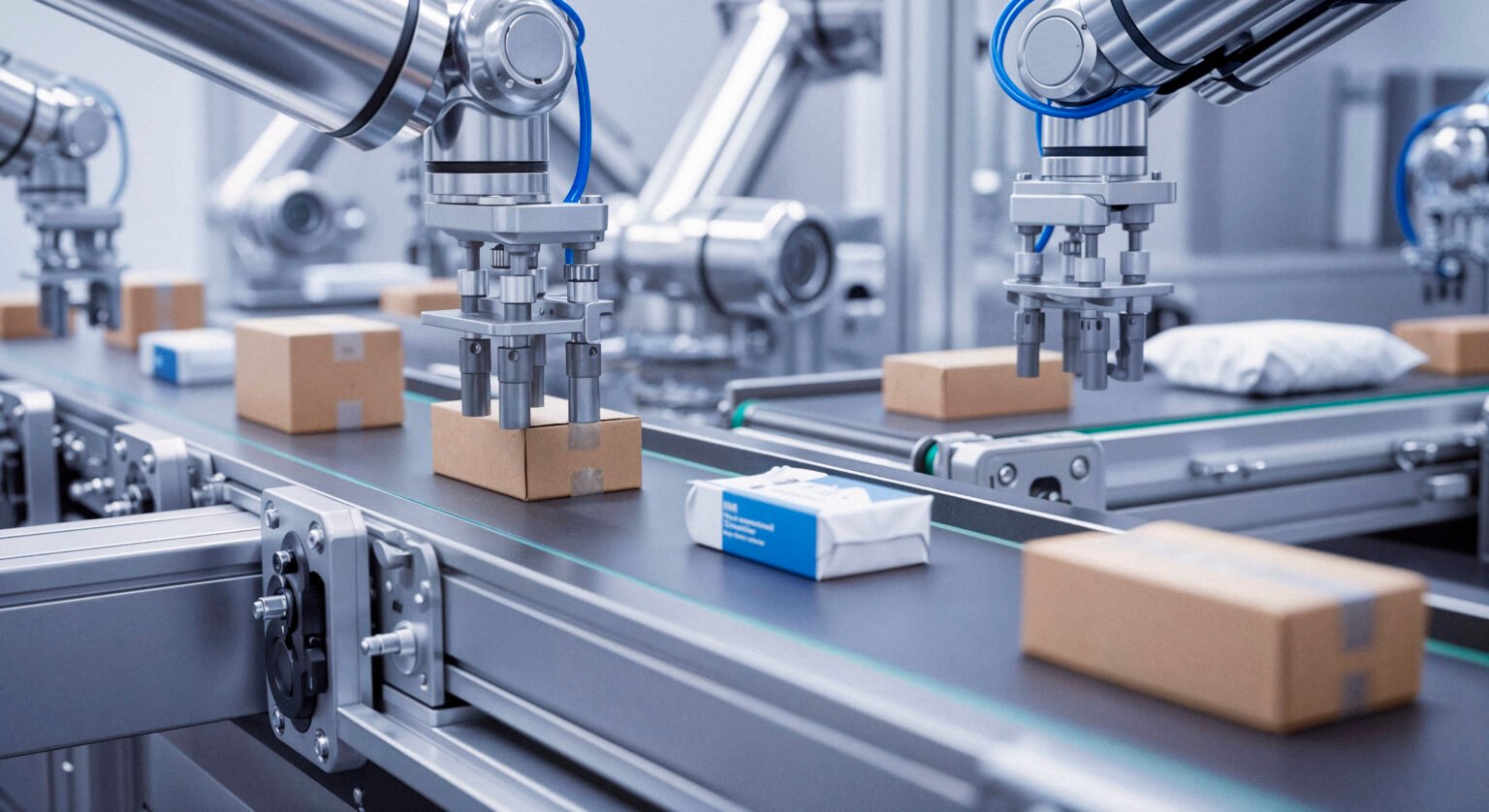
A cartoning machine is an automated system designed to form cartons, insert products, and seal them for distribution. It transforms flat carton blanks into finished boxes, making it an indispensable part of modern packaging lines. These machines can handle a wide variety of products, including bottles, blister packs, sachets, and tubes.
Types of Cartoning Machines
Horizontal Cartoning Machines
These machines load products horizontally into cartons. They are commonly used for packaging items like pharmaceuticals, cosmetics, and food products.
Vertical Cartoning Machines
Vertical cartoners are suitable for products that can be dropped into cartons, such as powders, granules, or small items.
Automatic and Semi-Automatic Machines
Fully automatic machines operate without manual intervention and are ideal for high-volume production. Semi-automatic machines require some manual input and are suitable for smaller operations.
Key Features
- High-Speed Performance: Capable of packaging hundreds of cartons per minute
- Precision Engineering: Ensures accurate product placement and consistent quality
- Versatility: Supports various carton sizes and packaging styles
- User-Friendly Interface: Easy operation with modern control systems
- Integration Capability: Can be integrated with filling, labeling, and sealing systems
Benefits of Cartoning Machines
Increased Productivity
Automation significantly speeds up the packaging process, allowing manufacturers to meet high production demands.
Cost Efficiency
By reducing manual labor and minimizing errors, businesses can save on operational costs.
Enhanced Product Protection
Properly sealed cartons protect products during storage and transportation.



Improved Brand Image
Consistent and professional packaging enhances customer trust and brand recognition.
Applications Across Industries
- Pharmaceutical Industry: Packaging medicines, capsules, and medical devices
- Food Industry: Packing snacks, frozen foods, and ready-to-eat meals
- Cosmetics Industry: Packaging creams, lotions, and beauty products
- Consumer Goods: Electronics and household items
How a Cartoning Machine Works
The cartoning process typically involves several steps:
- Carton Formation: Flat blanks are opened into carton shapes
- Product Insertion: Items are placed into the cartons
- Leaflet Insertion: Instruction manuals or promotional materials may be added
- Sealing: Cartons are sealed using glue or tuck-in flaps
- Output: Finished cartons are transferred for further packaging
Choosing the Right Cartoning Machine
Production Capacity
Select a machine that matches your required output level.
Product Type
Different products require specific handling mechanisms.
Flexibility
Choose machines that can adapt to multiple carton sizes and designs.
Budget Considerations
Evaluate the return on investment and long-term benefits.
Maintenance and Best Practices
Regular maintenance ensures smooth operation and extends machine lifespan. Key practices include:
- Cleaning the machine regularly to prevent contamination
- Lubricating moving parts
- Inspecting sensors and belts
- Updating software systems
Future Trends in Cartoning Technology
The packaging industry is evolving with advancements such as:
- Smart automation with IoT integration
- AI-based quality control systems
- Eco-friendly packaging solutions
Conclusion
A cartoning machine is a crucial investment for businesses seeking efficiency, consistency, and scalability in packaging operations. With advanced features and automation capabilities, these machines help manufacturers stay competitive in today’s demanding market.