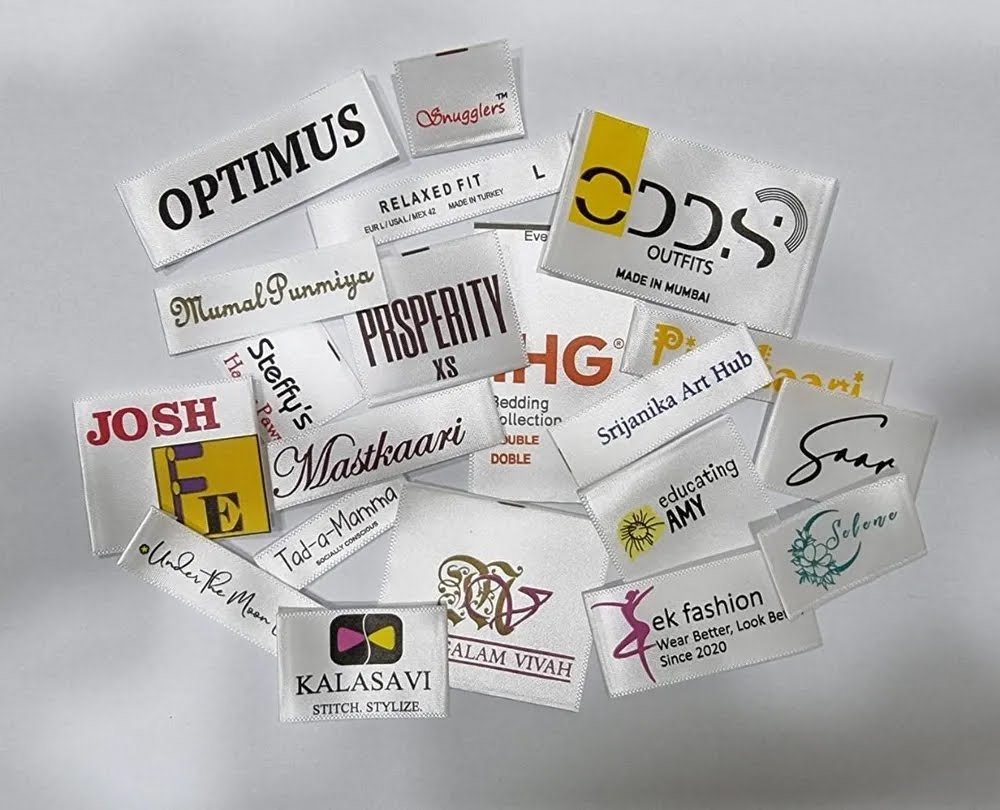
Fabric labels are often treated as a small detail in the clothing industry, but they quietly shape how customers feel about a product. When someone picks up a garment, the label is one of the first things they interact with after the fabric itself. It communicates quality, trust, and brand identity without saying much. A well-designed label can make a product feel premium, while a poorly made one can reduce its perceived value instantly.
Customers today are more aware and detail-oriented than ever. They look beyond just style and price and pay attention to finishing touches like labels. Whether it’s the texture, print quality, or clarity of information and contributes to the overall experience. In many cases, they influence whether a customer decides to buy again or recommend the brand to others.
Why Label Design and Material Influence Brand Trust
The design of a label is more than just aesthetics. It reflects the identity and values of a brand. A minimal, clean design often suggests a modern and premium feel, while cluttered or poorly aligned text can create confusion. Customers expect labels to be easy to read and visually appealing. When brands invest in thoughtful design, they show that they care about every detail of their product.
Material choice also plays a critical role in building trust. Modern clothing and apparel brands are using durable, long-lasting, and softer surface custom printed Tyvek Labels that do not irritate the skin and create a positive user experience, especially for daily wear clothing. In contrast, rough or faded labels can lead to dissatisfaction. When customers repeatedly experience comfort and durability, they begin to trust the brand more. Over time, this trust turns into loyalty, which is essential for long-term business growth.
Labels Shape For First Impressions
First impressions matter a lot in fashion, and labels play a big role in creating them. When a customer touches a label, they immediately judge its softness, durability, and print clarity. If the label feels scratchy or looks cheaply made, it creates doubt about the product quality. On the other hand, a clean, well-printed one signals professionalism and attention to detail, which builds trust instantly.
Modern brands are now focusing on innovative solutions and proper labeling to improve customer experience. These labels are lightweight, durable, and resistant to wear, making them ideal for long-term use. When customers notice that a brand uses high-quality labels, they associate it with reliability and premium standards. This subtle perception can strongly influence buying decisions and brand loyalty over time.
The Role of Labels in Enhancing Durability and Perception
Durability is one of the most important factors customers consider, even if they do not say it directly. Labels that fade, tear, or lose print quality after a few washes can negatively affect how customers view a product. They offer strong resistance to water, tearing, and general wear, which helps maintain a consistent look over time.
When customers notice that the label remains intact and readable after repeated use, they subconsciously link that durability to the overall product quality. It creates a sense of reliability and reinforces the idea that the brand delivers long-lasting value. This small but powerful detail can make a significant difference in how customers perceive and remember a brand.



How To Influence Repeat Purchases and Loyalty
Customer perception does not end after the first purchase. Labels continue to play a role even after the product is used multiple times. A comfortable, durable label enhances the overall wearing experience, making customers more likely to choose the same brand again. On the other hand, an irritating or poorly made label can become a constant annoyance, reducing the chances of repeat purchases.
Brands that focus on consistent quality in their labels create a stronger emotional connection with their customers. People tend to remember how a product made them feel, not just how it looked. When every detail, including the label, meets expectations, customers develop confidence in the brand. This confidence leads to positive reviews, word-of-mouth promotion, and long-term loyalty.
Conclusion
Fabric labels are not just small tags attached to clothing; they are a powerful branding tool that shapes customer perception at every stage. From the first touch to long-term use, labels influence how customers judge quality, comfort, and trustworthiness. Brands that invest in high-quality labels gain a clear advantage in a competitive market.
In today’s customer-focused world, even the smallest details can make a big impact. Choosing the right materials, designs, and solutions, personalized custom made fabric labels help brands stand out and build lasting relationships with their audience. When done right, labels do much more than provide information, they create a complete and memorable brand experience.