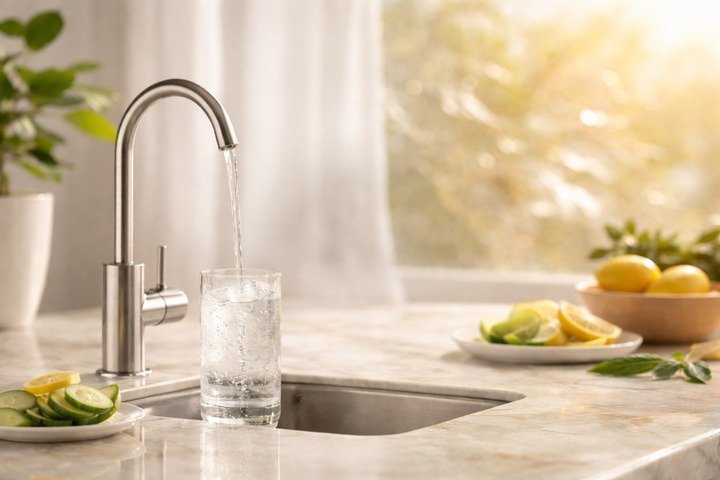
Structured water devices have moved from niche wellness circles into broader conversations about hydration, health optimization, and even creative performance. These systems claim to reorganize water molecules into patterns that mirror natural springs and streams—water that proponents say the body absorbs more efficiently. While the science remains contested, anecdotal reports from users span improved energy levels to sharper mental clarity, prompting interest from health-conscious consumers and professionals in fields like music production.
This article examines what structured water is, how these devices function, and whether the purported benefits hold up under scrutiny. We’ll also explore practical considerations for anyone weighing a purchase, from portable units to whole-home systems.
What Is Structured Water?
Structured water—sometimes called “crystalline water”—refers to H₂O molecules arranged in a specific geometric pattern, supposedly resembling the molecular organization found in glacial melt or mountain streams. Advocates argue this configuration makes water more bioavailable, allowing cells to hydrate more effectively than with tap or bottled water.
The concept draws on research into water’s molecular structure and hydrogen bonding, though mainstream science has yet to validate many health claims. Proponents cite benefits including enhanced nutrient absorption, improved detoxification, and increased cellular energy. Critics point to a lack of peer-reviewed studies demonstrating measurable physiological differences between structured and conventional water.
Despite the debate, users report subjective improvements—better hydration, clearer thinking, and sustained energy—that keep the market for these devices growing.
How Structured Water Devices Work
Most structured water devices rely on mechanical processes to reorganize water molecules. Common methods include:
- Vortexing: Spinning water in spiral patterns to mimic natural flow dynamics
- Magnetic fields: Passing water through magnets to alter molecular alignment
- Mineral chambers: Filtering water through specific stones or ceramics believed to impart energetic properties
The underlying theory holds that these processes restore water to a state disrupted by modern plumbing and treatment. Research on water’s anomalous properties shows that molecular arrangement does affect behavior, though whether these devices produce clinically significant changes remains unproven.
Manufacturers position their products as a way to bring “wild water” into urban environments—a return to hydration as it existed before industrialization.



Potential Benefits and Real-World Applications
Users of structured water devices report a range of outcomes, though individual experiences vary widely:
- Hydration efficiency: Many claim they need less water to feel adequately hydrated, with reduced bloating and improved skin texture
- Energy and focus: Some users describe sustained mental clarity and physical stamina, particularly during demanding work
- Taste and quality: Structured water often tastes softer and cleaner, even when sourced from municipal supplies
- Environmental impact: Whole-home systems reduce reliance on bottled water, cutting plastic waste
In creative fields, anecdotal evidence suggests structured water may support cognitive performance. Musicians and producers have noted improved concentration during long studio sessions, though these effects could stem from placebo or simply better hydration habits. Hydration’s impact on cognitive function is well-documented, regardless of water structure.For those evaluating available solutions, providers such as Natural Action offer devices that can be integrated into existing plumbing systems or used as portable units for mobile applications. Comparable options are also available from companies like OdoBan and BioSweep, giving users flexibility across different use cases and environments.
Structured Water Filters vs. Structuring Devices
The terminology around water treatment can blur important distinctions. Structured water filters and structuring devices serve different purposes:
- Filters: Remove contaminants—chlorine, heavy metals, sediment—through physical or chemical processes. They prioritize purity but don’t claim to alter molecular arrangement.
- Structuring devices: Focus on reorganizing water molecules without necessarily filtering out impurities. They aim to enhance water’s energetic or biological properties.
Many households benefit from both: a filtration system to address water quality, followed by a structuring device to optimize molecular configuration. If your primary concern is removing toxins, start with a high-quality filter. If you’re interested in the potential wellness benefits of structured water, a dedicated structuring device makes sense as a second step.
Some manufacturers combine both functions, though these hybrid systems tend to cost more and may require more frequent maintenance.
Portable Structured Water Devices
Portable units have expanded structured water access beyond the home. These compact devices—often bottle-sized or smaller—allow users to structure water from any source, whether at a gym, office, or while traveling.
Key advantages include:
- Convenience: No installation required; works with tap water, filtered water, or even bottled water
- Consistency: Maintains hydration routines regardless of location
- Affordability: Lower upfront cost compared to whole-home systems
For professionals who spend long hours in studios or on location—musicians, producers, engineers—portable devices offer a practical way to test structured water’s effects without committing to a full system. Hydration’s role in electrolyte balance and sustained cognitive performance makes these tools particularly relevant for creative work that demands focus over extended periods.
Crystalline Water and Molecular Structure
The term “crystalline water” refers to the geometric arrangement of water molecules in a highly ordered state. In ice, molecules form a rigid crystalline lattice. Structured water proponents argue that liquid water can maintain similar—though less rigid—patterns, creating zones of organized molecules within the fluid.
This concept draws on the work of researchers studying water’s fourth phase, sometimes called “exclusion zone” water, which exhibits properties distinct from bulk liquid water. While this research is legitimate, its application to consumer devices remains speculative.
Crystalline water’s appeal lies in its theoretical alignment with natural systems. Advocates suggest that water in this state carries information or energy that supports biological processes, though these claims lack robust experimental validation.
Choosing the Right Structured Water Device
Selecting a device requires balancing cost, convenience, and intended use. Consider the following:
- Scope of use: Whole-home systems treat all water at the point of entry; countertop or portable units target drinking water only
- Budget: Prices range from under $100 for basic portable devices to several thousand for installed systems
- Maintenance: Some devices require no upkeep; others need periodic cleaning or component replacement
- Certifications: Look for third-party testing or transparent manufacturing standards, though industry regulation remains limited
- Trial periods: Many manufacturers offer money-back guarantees, allowing you to test effects before committing
Start with a portable unit if you’re uncertain. This low-risk entry point lets you evaluate subjective benefits—taste, energy, hydration—before investing in a larger system. Read user reviews across multiple platforms, and be wary of marketing that overpromises or lacks specificity.
Ultimately, structured water devices occupy a space between established science and emerging wellness trends. Whether they deliver measurable health benefits or simply encourage better hydration habits, users continue to report positive experiences that justify their growing presence in health-conscious households and creative workspaces.