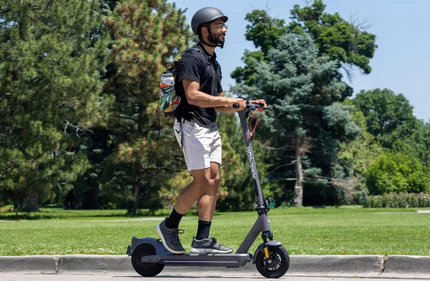
As micro-mobility transforms how Canadians navigate urban centres, the legal requirements for safety gear have become a frequent point of confusion. Whether you are commuting through the damp streets of Vancouver or navigating the scenic paths of Ottawa, the question of whether you need a helmet for an escooter is not just a matter of safety—it is a matter of provincial and municipal law. In Canada, these regulations are not federal; instead, they are a patchwork of pilot programmes and city bylaws that can change as soon as you cross a city limit.
Current landscape of e-scooter regulations in Canada
Canada currently manages e-scooter use through a series of “pilot projects.” Because these devices do not fit the traditional definition of a motor vehicle under federal law, provinces like Ontario, British Columbia, and Quebec have established their own frameworks to test their integration into traffic. While an e-bike often falls under more established “power-assisted bicycle” rules that almost always mandate helmets, e-scooters are still finding their legal footing. This means that while one city might merely “encourage” helmet use, the neighbouring municipality could issue a substantial fine for riding bare-headed.
Provincial breakdown of helmet requirements
Ontario and the under-18 rule
In Ontario, the provincial pilot project dictates that anyone under the age of 18 must wear a helmet. For adults, the province strongly recommends helmet use but does not strictly mandate it at the provincial level. However, individual cities have the power to override this. For example, some municipal rental programmes require all users to agree to wear a helmet as part of their terms of service, effectively making it a requirement for any shared ride.
British Columbia and universal mandates
British Columbia takes a much stricter approach to head safety. Under the province’s Electric Kick Scooter Pilot Project, every rider—regardless of age—is legally required to wear a helmet. The B.C. Motor Vehicle Act treats these devices with high safety expectations to protect riders from the risks associated with sharing the road with heavier traffic.
Quebec and the strict safety approach
Quebec has some of the most rigorous micro-mobility laws in the country. In cities like Montreal, the law is clear: helmets are mandatory for all e-scooter users. Furthermore, Quebec law often requires additional safety equipment, such as specific reflectors and braking systems, to ensure that riders are visible during the shorter, darker days of the Canadian autumn and winter.
Choosing the right helmet for Canadian roads
When selecting a helmet, it is vital to ensure it meets recognized safety standards. In Canada, you should look for labels indicating certification from the CSA (Canadian Standards Association), CPSC, or Snell. While a standard bicycle helmet is usually sufficient for devices capped at 24 km/h, some high-performance scooter enthusiasts opt for “downhill” or BMX-style helmets that offer more protection for the face and jaw. Given Canada’s unpredictable weather, many riders also choose helmets with integrated visors to protect against wind and sleet.
Consequences of riding without a helmet
Aside from the obvious risk of traumatic brain injury, riding without a helmet can have legal and financial repercussions. Fines vary significantly; in some jurisdictions, a ticket can cost upwards of $100. Perhaps more importantly, in the event of an accident, the lack of a helmet can impact insurance claims or personal injury litigation. Canadian courts may find a rider “contributorily negligent” if they were not wearing safety gear, which could lead to a reduction in any settlement or compensation for injuries sustained.
Conclusion
While the laws regarding e-scooters in Canada continue to evolve alongside technology, the safest and most practical choice is always to wear a helmet. Whether you are in a province where it is a legal requirement or one where it is simply recommended, protecting your head is the best way to ensure your commute remains a positive experience. As we move further into 2026, keep an eye on your local municipal website, as many of these pilot programmes are being reviewed for permanent status, which may bring even stricter safety mandates.