You finally found the perfect iPhone case — crystal clear, showing off that sleek design you paid good money for. But three months later, it’s turned an ugly shade of yellow, and you’re back to square one. Sound familiar? For millions of iPhone users, choosing a case means navigating a frustrating trade-off: do you prioritize wireless charging compatibility, or do you hunt for something that won’t embarrass you by summer?
- The Core Dilemma: Wireless Charging Compatibility vs. Yellowing Resistance
- Understanding Anti-Yellowing Technology in Phone Cases
- Ensuring Wireless Charging Compatibility with Your iPhone Case
- Spotlight on TORRAS Cases: A Case Study in Durability and Style
- Transparent Phone Cases: Balancing Aesthetics and Protection
- How to Choose the Right iPhone Case: A Step-by-Step Guide
- Step 1: Assess Your Priorities
- Step 2: Check for Anti-Yellowing Features
- Step 3: Verify Wireless Charging Compatibility
- Step 4: Consider Brand and Reviews
- Finding an iPhone Case That Stays Clear and Charges Seamlessly
The problem runs deeper than aesthetics. Transparent cases that yellow quickly undermine the very reason you bought them, while cases thick enough to feel “protective” can silently kill your wireless charging speeds — or block them entirely. Anti-yellowing technology and wireless charging compatibility have become the two non-negotiable checkboxes for modern iPhone users, yet finding a case that genuinely delivers on both feels surprisingly difficult.
This article cuts through the noise. Whether you’re shopping for your first clear case or replacing one that’s already turned amber, you’ll find practical guidance on understanding what causes yellowing, what makes a case truly wireless-charging-friendly, and how to identify options that refuse to compromise on either front. The right case exists. Let’s help you find it.
The Core Dilemma: Wireless Charging Compatibility vs. Yellowing Resistance
Wireless charging has quietly become one of the most valued features in modern smartphone ownership. The ability to drop your iPhone on a pad and walk away — no fumbling with cables — has shifted from luxury to daily expectation. Qi-certified chargers are now standard on nightstands, office desks, and car dashboards, making case compatibility no longer optional but essential.
At the same time, the appeal of transparent cases has never been stronger. Clear cases let you showcase your iPhone’s original color and finish without hiding the design you paid a premium for. The problem? Most affordable transparent cases are made from basic TPU or polycarbonate materials that begin oxidizing almost immediately. UV light, heat, and everyday contact with oils and dyes accelerate the process. Within weeks, that crystal-clear case develops a warm yellow tint that no amount of cleaning removes.
This creates a genuine trade-off that frustrates buyers at every price point. Cases marketed as “ultra-thin” and wireless-charging-friendly often cut corners on material quality, yellowing fast. Meanwhile, cases built with premium anti-yellowing compounds sometimes add bulk that disrupts charging efficiency. Users end up cycling through multiple cases per year — spending more money while remaining dissatisfied. Understanding this conflict is the first step toward breaking the cycle and finding protection that genuinely delivers on both fronts without compromise.
Understanding Anti-Yellowing Technology in Phone Cases
Yellowing happens when the polymers in a case — typically standard TPU — react to ultraviolet light and oxygen over time. This oxidation process breaks down the material’s molecular structure, shifting it from clear to a dingy amber. Heat accelerates the reaction, which is why cases left in cars or exposed to direct sunlight yellow faster than those kept in cooler environments. Contact with skin oils, denim dyes, and certain cleaning products compounds the damage further.
Anti-yellowing technology addresses this at the material level rather than just coating the surface. High-quality manufacturers replace or reinforce standard TPU with compounds like thermoplastic polyurethane blended with UV stabilizers, or use entirely different polymers such as polycarbonate variants engineered to resist oxidation. Some brands incorporate yellowing inhibitors directly into the material during manufacturing, creating a molecular barrier that slows UV-triggered degradation significantly. The result is a case that maintains optical clarity for months rather than weeks. For anyone investing in a transparent case to show off their iPhone’s finish, anti-yellowing technology isn’t a bonus feature — it’s the baseline requirement that separates a worthwhile purchase from one you’ll regret by spring.

Ensuring Wireless Charging Compatibility with Your iPhone Case
Not every case plays nicely with wireless charging, and the reasons go beyond simple thickness. Metal components — whether decorative rings, magnetic inserts, or reinforced frames — can block or scatter the electromagnetic field that transfers power between your charger and iPhone. Even cases without metal can cause problems if they’re built too thick; most Qi chargers work reliably through materials up to about 3mm, but cases pushing beyond that threshold often result in slower charging speeds, interrupted sessions, or complete failure to initiate a charge. The material itself matters too. Dense rubber compounds and certain hybrid constructions absorb more of the charging signal than slim polycarbonate or refined TPU designs. When shopping for a compatible case, prioritize non-metallic construction, a slim profile under 3mm, and any explicit Qi or MagSafe certification listed by the manufacturer — these aren’t marketing checkboxes but functional guarantees that the case has been tested against real charging hardware.
The Role of Portable Wireless Chargers for iPhone
Portable wireless chargers have expanded the convenience of cable-free charging far beyond the nightstand. Whether you’re topping up during a commute or at a café, these compact pads and stands have become everyday carry for many iPhone users. However, their output is typically lower than desktop chargers, making them more sensitive to case interference. A case that barely affects a 15W home pad may noticeably slow a 5W portable unit. This makes case compatibility even more critical when you rely on a portable wireless charger for iPhone throughout the day. Look for cases explicitly tested with lower-wattage chargers, and when possible, verify that the case maintains a consistent connection rather than requiring precise alignment — a sign that the material and thickness are genuinely optimized for wireless power transfer across different charging environments.
Spotlight on TORRAS Cases: A Case Study in Durability and Style
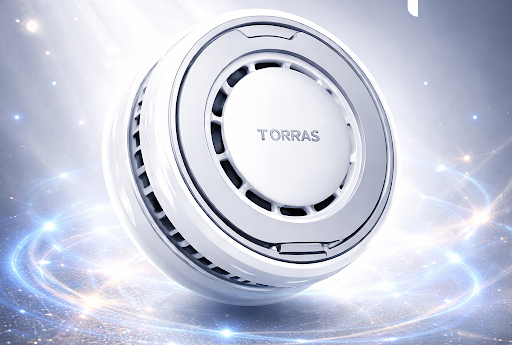
TORRAS has built a reputation among iPhone users specifically by tackling the two problems that matter most: cases that stay clear and cases that charge without friction. Their transparent lineup uses a proprietary anti-yellowing material that resists UV oxidation at the molecular level, maintaining optical clarity significantly longer than standard TPU alternatives. Independent user reviews consistently highlight that TORRAS clear cases look noticeably fresher after months of daily use compared to budget competitors that yellow within weeks. On the wireless charging side, TORRAS designs its cases with slim, non-metallic construction that keeps thickness within the range Qi and MagSafe chargers handle without signal loss — including lower-wattage portable units that are more sensitive to interference. Owners frequently report seamless charging across desktop pads, car mounts, and portable chargers without needing to remove the case. For users who’ve grown frustrated cycling through cases that fail on one front or the other, TORRAS cases represent a practical, tested solution that treats both durability and wireless compatibility as core engineering requirements rather than afterthoughts.
Transparent Phone Cases: Balancing Aesthetics and Protection
There’s a reason transparent phone cases dominate bestseller lists — they let your iPhone’s original color and finish speak for itself while still providing meaningful protection. That matte midnight finish or bold yellow you chose isn’t cheap, and covering it with an opaque case defeats the purpose. Clear cases solve that problem elegantly, but they introduce their own: without the right materials, they become a liability rather than an asset as yellowing sets in and turns your showcase piece into an eyesore.
The good news is that anti-yellowing technology has matured enough to make transparent cases a genuinely long-term option rather than a short-term compromise. Cases built with UV-stabilized polymers or reinforced polycarbonate blends maintain their optical clarity far longer than basic TPU alternatives, keeping that just-unboxed look through months of real-world use. On the wireless charging front, transparent cases naturally lend themselves to slim profiles and non-metallic construction — two qualities that minimize signal interference. When shopping for a high-quality clear case, prioritize ones that explicitly state anti-yellowing material composition, avoid decorative metallic elements, and keep total thickness lean. These three criteria together ensure your transparent case enhances your iPhone rather than degrading it — visually or functionally — over time.
How to Choose the Right iPhone Case: A Step-by-Step Guide
Cutting through the marketing noise and finding a case that genuinely delivers on wireless charging and yellowing resistance comes down to asking the right questions before you buy. This practical guide walks you through exactly that.
Step 1: Assess Your Priorities
Start by honestly evaluating how you use your iPhone daily. Do you rely on a wireless charging pad at your desk or bedside every night? Then compatibility is non-negotiable — any case that slows or interrupts charging will frustrate you within days. Do you carry your phone in a bag with keys, or live somewhere with intense sun exposure? Then yellowing resistance moves to the top of your list. Most users need both, but knowing which failure mode would bother you more helps narrow your search quickly.
Step 2: Check for Anti-Yellowing Features
Don’t take “crystal clear” marketing language at face value. Look for cases that explicitly name their anti-yellowing material — phrases like UV-stabilized polymer, reinforced polycarbonate blend, or yellowing inhibitor compound indicate genuine engineering rather than a surface coating. If a product listing only mentions “TPU” without any further specification, treat that as a yellow flag. User reviews mentioning clarity after three to six months of use are among the most reliable indicators available.
Step 3: Verify Wireless Charging Compatibility
Check the case thickness — anything approaching or exceeding 3mm introduces real risk of charging interference, especially with portable wireless chargers for iPhone that operate at lower wattages. Confirm there are no metallic elements in the construction. Look for Qi or MagSafe certification listed by the manufacturer, which signals the case has been tested against actual charging hardware rather than assumed compatible by default.
Step 4: Consider Brand and Reviews
Established brands that specifically engineer for both anti-yellowing durability and wireless charging compatibility offer a meaningful advantage over generic alternatives. Read reviews that mention long-term use — not just initial impressions — and prioritize feedback from users with similar charging habits. A case praised for staying clear after six months while charging wirelessly daily is worth the investment over one that looks promising in the box but disappoints within weeks.
Finding an iPhone Case That Stays Clear and Charges Seamlessly
Choosing an iPhone case shouldn’t mean accepting a compromise between wireless charging performance and long-term clarity. As this article has shown, both problems are solvable — but only if you know what to look for before you buy. Yellowing stems from material-level weaknesses that anti-yellowing technology directly addresses, while wireless charging interference traces back to excessive thickness and metallic components that well-engineered cases deliberately avoid.
The step-by-step guide gives you a repeatable framework: assess your daily habits first, verify anti-yellowing material claims with specifics rather than marketing language, confirm Qi or MagSafe compatibility along with slim non-metallic construction, and lean on brands like TORRAS that have demonstrated consistent performance across both dimensions. Transparent cases, when built correctly, no longer require you to trade aesthetics for durability or function.
The right case protects your iPhone without hiding it, charges without friction, and stays crystal clear months after purchase. That combination exists — it just requires asking sharper questions and looking beyond the lowest price point. Use the criteria outlined here, and your next case purchase will be one you won’t need to repeat by spring.