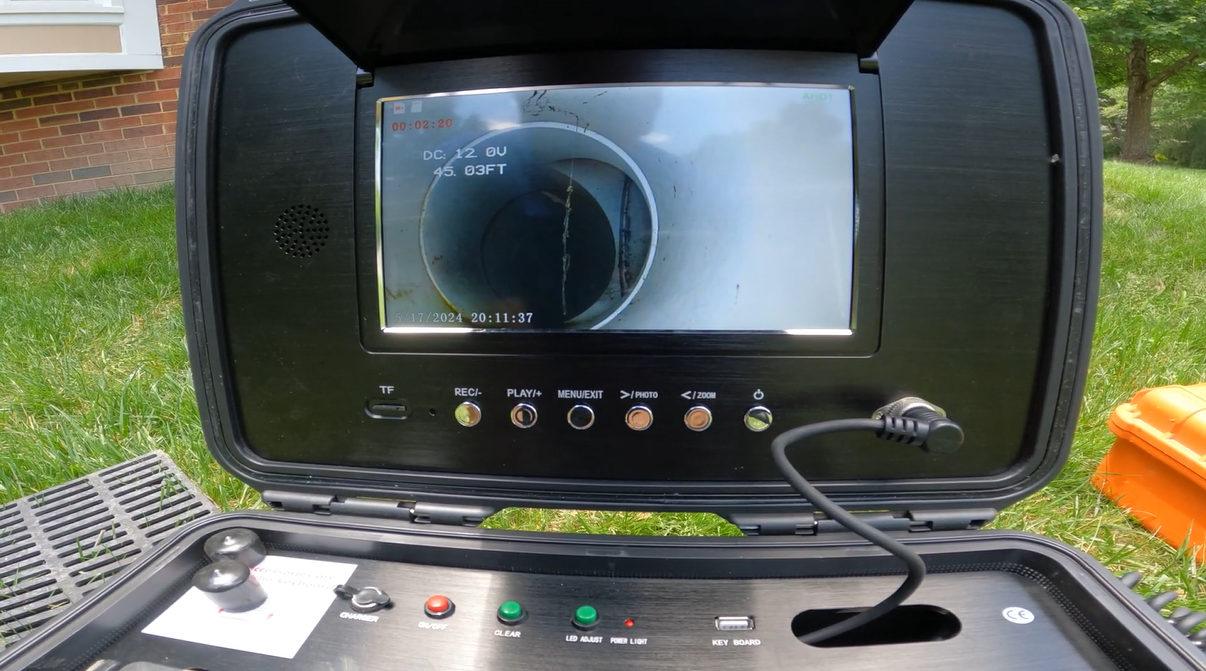
A sewer inspection camera is currently the best tool for troubleshooting pipe problems. It can identify slow drainage, cracks, and blockages, and can easily pinpoint the issue and provide timely repair suggestions.
In this article, we will comprehensively analyze how plumbers can discover hidden pipe problems without digging.
Why Hidden Pipe Problems Are So Common?
Most household plumbing systems remain out of sight for decades. Pipes run beneath floors, behind walls, and underground outside the home. Because they are hidden, small issues can develop without anyone noticing.
Common problems that occur inside pipes include:
- Grease and debris buildup
- Tree root intrusion in outdoor sewer lines
- Pipe corrosion or aging materials
- Cracks caused by soil movement
- Misaligned or collapsed pipe sections
Without proper inspection, identifying the exact location of these issues can be difficult. For example, a slow drain might simply be a clog near the fixture, or it could indicate a deeper blockage in the main sewer line.
What Is a Sewer Camera?
A sewer camera is a specialized waterproof camera attached to a flexible cable. Plumbers feed this cable directly into a drain or sewer line, allowing them to see the interior condition of the pipe in real time on a monitor.
Instead of guessing where a problem might be located, plumbers can visually inspect the pipe system from the inside.
These cameras can reveal:


- Blockages and debris
- Tree roots growing into pipes
- Cracks or structural damage
- Pipe misalignment
- Corrosion and buildup
Because the inspection happens inside the pipe, there is no need to dig up large sections of property just to diagnose the issue.
How a Pipe Camera Inspection Works?
A typical inspection begins with the plumber inserting a pipe camera through an accessible drain opening. This could be a cleanout, a toilet drain, or another entry point in the plumbing system.
The flexible cable carries the camera through the pipe while transmitting live video to a monitor above ground. Many modern systems also include built-in lighting, so the inside of the pipe is clearly visible.
As the camera moves through the line, the plumber watches the footage and identifies any irregularities such as blockages, root intrusion, or damage. Some systems even include distance counters so the exact location of a problem can be measured precisely.
This allows the plumber to determine not only what the issue is, but exactly where it is located.
Why Caera Inspections Save Time and Money
One of the biggest advantages of using a sewer camera is the ability to diagnose problems without unnecessary excavation or demolition.
In the past, plumbers often had to rely on trial and error to locate underground pipe issues. Sections of pipe might be dug up or opened just to determine whether the suspected problem was actually there.
With a camera inspection, the diagnosis becomes much more accurate.
Benefits of using a sewer inspection camera include:
- Faster problem identification
- Reduced need for digging or property disruption
- More precise repair planning
- Lower labor and repair costs
- Clear visual evidence of the issue
For homeowners, this means fewer surprises and a clearer understanding of what repairs are truly necessary.
When Homeowners Should Consider a Sewer Inspection?
Camera inspections are not only useful when a major problem occurs. In many cases, they are used as a preventative measure.
Situations where a sewer camera inspection may be helpful include:
Recurring drain clogs: If drains repeatedly clog even after cleaning, the problem may exist deeper in the sewer line.
Buying or selling a home: Older properties may have aging or damaged pipes that are not visible during a standard home inspection.
Slow drainage throughout the house: Multiple slow drains can indicate a blockage in the main sewer line.
Unpleasant sewer odors: Persistent smells may signal cracks or buildup inside underground pipes.
Using a pipe camera allows plumbers to quickly confirm the cause of these issues before they develop into more serious plumbing failures.
Advances in Modern Inspection Camera Technology
Over the last decade, inspection equipment has become more compact, durable, and capable of producing high-quality video even in challenging environments.
Modern systems often include:
- High-resolution cameras
- Waterproof and corrosion-resistant housings
- Long flexible cables for extended pipe systems
- Integrated lighting for dark pipe interiors
- Recording capabilities for documentation
Manufacturers such as Sanyipace have helped make these tools more accessible by producing portable inspection systems designed specifically for professional plumbing diagnostics. Equipment like the Sanyipace sewer camera allows technicians to perform detailed pipe inspections efficiently while minimizing disruption to a homeowner’s property.
As this technology continues to improve, diagnosing hidden plumbing problems becomes faster and more reliable.
The Future of Plumbing Diagnostics
The ability to see inside pipes without excavation has transformed the way plumbing professionals approach repairs. Instead of relying on assumptions or invasive methods, plumbers can now make decisions based on clear visual evidence.
For homeowners, this means plumbing issues can be identified earlier, repaired more precisely, and often resolved with less damage to the surrounding property.
Whether dealing with a persistent clog, investigating a suspected sewer line issue, or simply performing preventative maintenance, tools like a sewer inspection camera provide valuable insight into the condition of a home’s plumbing system.
What was once hidden underground is now visible, making it easier than ever to keep a home’s drainage system functioning properly for years to come.