Water damage in your home or business can quickly turn from a stressful inconvenience into a serious health threat if mold takes hold. Here’s the unsettling truth: mold spores are always floating around in the air, just waiting for the right conditions to settle down and multiply. When moisture shows up, those spores see an invitation, and they don’t waste time. Within just 24 to 48 hours after water exposure, mold can begin colonizing your walls, floors, and belongings.
Act Immediately to Remove Standing Water
When water invades your space, the clock starts ticking immediately, and every hour you wait increases your chances of facing a mold problem. Start removing standing water as quickly as possible using whatever tools match the situation: pumps for serious flooding, wet vacuums for moderate water accumulation, or even buckets if that’s what you have on hand. Minor flooding might respond well to a household wet-dry vacuum, but substantial water intrusion typically demands professional-grade extraction equipment to handle the volume efficiently. Don’t overlook the sneaky areas where water hides, carpets, padding underneath, and porous materials like drywall act like sponges, holding onto moisture and creating perfect breeding grounds for mold.
Establish Proper Ventilation and Air Circulation
Once you’ve tackled the standing water, your next mission is getting air moving through every corner of the affected area. Throw open windows and doors to encourage natural ventilation, you want that moisture-laden air to escape while fresh, dry air flows in to replace it. Position fans thoughtfully to create cross-ventilation patterns that sweep across wet surfaces and circulate throughout the entire space. High-velocity air movers do the job more effectively than regular household fans because they concentrate powerful airflow directly onto floors, walls, and other damp surfaces to speed up evaporation.
Deploy Dehumidification Equipment Strategically
Dropping your indoor humidity below 50 percent creates an environment where mold simply can’t thrive, it needs moisture to survive. Industrial-grade dehumidifiers pull significantly more water from the air than the residential models you’d find at a home improvement store, and they’re specifically engineered to handle water damage restoration challenges. Place these workhorses in central locations where they can draw humid air from multiple directions, and stay on top of emptying collection tanks or better yet, set up continuous drainage systems so they can run uninterrupted. Use hygrometers to monitor humidity levels throughout the affected area, making sure to check those tricky spots like corners, closets, and other poorly ventilated spaces where moisture loves to linger.
Remove and Dispose of Contaminated Materials
Some water-damaged materials just can’t be saved, no matter how thoroughly you dry or clean them, and trying to salvage them only sets the stage for mold problems down the road. Porous materials like carpet padding, drywall that’s wicked water more than two feet from the source, and soaked insulation should be removed and disposed of without hesitation. Upholstered furniture and mattresses that have been thoroughly saturated present special challenges because their interior layers are nearly impossible to dry completely, creating hidden spaces where mold can flourish undetected. Bag these materials carefully in sealed plastic before moving them to prevent spreading mold spores throughout your home during removal.
Clean and Disinfect All Affected Surfaces
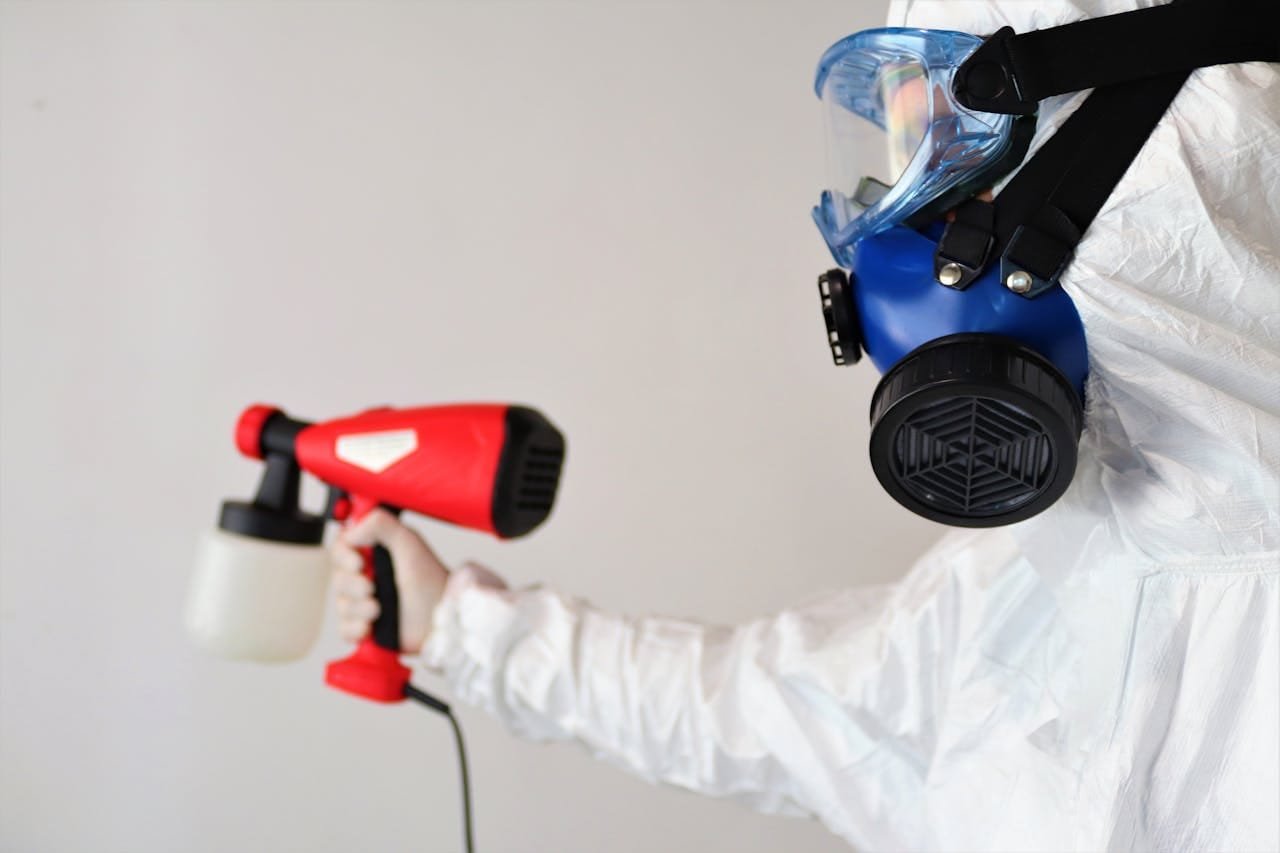
After everything’s thoroughly dried, a comprehensive cleaning and disinfection routine adds another protective layer against mold growth. Start by cleaning hard surfaces with detergent solutions to strip away dirt, debris, and organic matter that could become food sources for mold. Following that initial cleaning, apply EPA-registered antimicrobial treatments specifically formulated for mold prevention in water-damaged spaces. Focus extra attention on areas that stayed wet for extended periods, these high-risk zones face the greatest threat of mold colonization. For wooden surfaces like framing and subflooring, make sure your cleaning solutions penetrate into the grain where mold spores might have nestled in. Skip the bleach on porous materials, it can’t penetrate deeply enough to eliminate mold at its roots and may actually damage certain surfaces.
When you’re dealing with extensive water damage or situations involving contaminated water, professionals who need to restore properties quickly and thoroughly often rely on a professional water damage restoration company for specialized expertise and industrial-grade equipment. HVAC systems, ductwork, and ventilation components deserve inspection and cleaning too if they were exposed to water or elevated humidity during the incident. Professional antimicrobial treatments offer longer-lasting protection than household cleaners and are specifically designed to tackle the unique challenges that water damage restoration presents. Remember that all the surface cleaning in the world won’t help if materials haven’t been thoroughly dried first, moisture will reactivate mold growth regardless of how hard you scrubbed.
Monitor for Signs of Mold Development
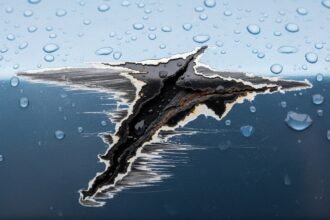
Even after you’ve completed every prevention step, staying watchful for several weeks helps ensure mold hasn’t quietly established itself in hidden corners. Make regular visual inspections of previously affected areas part of your routine, keeping an eye out for discoloration, fuzzy growth patches, or unusual staining on surfaces. Trust your nose, musty odors often signal mold growth before it becomes visible, suggesting that moisture remains trapped somewhere in wall cavities or other concealed spaces. Break out a moisture meter periodically to check walls, floors, and other building materials, verifying they’re staying dry and haven’t experienced any recurring water intrusion.



Conclusion
Preventing mold growth after water damage comes down to moving fast, using the right equipment, executing thoroughly, and staying vigilant throughout the entire restoration process. By immediately removing standing water, establishing excellent ventilation, deploying dehumidification equipment strategically, removing materials that can’t be saved, cleaning affected surfaces properly, and monitoring for any signs of mold development, you create an environment where mold simply can’t get established.