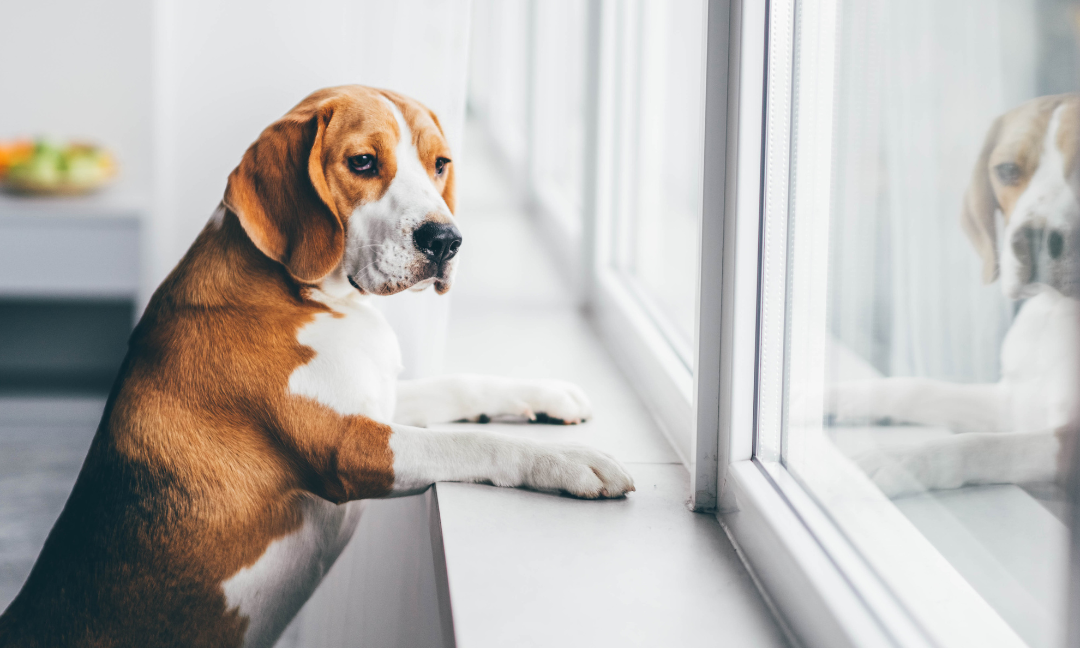
Moving to a new home is an exciting milestone. For us, it’s a time of new beginnings, fresh paint, and endless boxes. But for our dogs, it can be a period of profound confusion and stress. Their entire world, filled with familiar smells, sights, and sounds, is suddenly gone and replaced with a strange, new environment. This abrupt change can trigger anxiety and behavioral issues.
While we can’t explain to our dogs what’s happening, we can take proactive steps to make the transition as smooth and stress-free as possible. The key is to provide a sense of security and predictability amidst the chaos of a move.
This guide offers practical tips to help your dog settle into your new home. From preparing before the move to establishing comfort in the new space, these strategies are designed to help dogs settle in and feel secure in their new territory.
Before the Big Move: Preparation is Key
The adjustment process starts long before the moving truck arrives. A little forethought can make a world of difference for your pet’s well-being.
Keep Things Calm
Dogs are incredibly perceptive and will pick up on your stress. The frantic energy of packing, sorting, and cleaning can make them anxious. Try to maintain a calm demeanor around your pet. Take regular breaks from packing to play or cuddle with them, reinforcing that they are still a priority.
Introduce Packing Materials Early
Boxes, packing tape, and bubble wrap can be scary new objects. Bring them into your home a few weeks before you start packing. Let your dog sniff and investigate them at their own pace. Tossing a few treats near the boxes can create a positive association. This helps demystify the materials so they are less alarming when they suddenly fill your home.
Update Their Information
In the chaos of moving, pets can sometimes slip out. Before you move, ensure your dog’s microchip information is updated with your new address and current phone number. Double-check that their collar has a tag with your contact details. This simple step is a critical safety net during a vulnerable time.
Moving Day: Minimizing Stress
Moving day is inherently chaotic. The constant stream of people, open doors, and loud noises can be overwhelming for a dog.


Create a Safe Haven
The best place for your dog on moving day is away from the action. If possible, have them stay with a trusted friend, family member, or at a familiar doggy daycare. This removes them from the most stressful part of the process entirely.
If that’s not an option, designate a “safe room” in your old home. Put their bed, water bowl, favorite toys, and a long-lasting chew in an empty bedroom or bathroom. Close the door and put a sign on it that says, “Do Not Enter – Pet Inside.” This keeps them secure and prevents accidental escapes. Do the same thing as soon as you arrive at the new house, setting up their safe room before you start unloading.
Travel Safely
Ensure your dog is safely secured in the car for the trip to the new home. A well-ventilated crate or a dog seatbelt harness prevents them from getting loose or distracting the driver. For long drives, plan for frequent potty and water breaks.
Settling In: The First Few Weeks are Crucial
Once you’ve arrived, the real adjustment period begins. Your goal is to make the new, strange place feel like home as quickly as possible.
Set Up a Familiar Zone Immediately
Before you even start unpacking the kitchen, set up your dog’s area. Place their bed, blankets, food and water bowls, and toys in a quiet corner of the house, like the living room or your bedroom. The familiar smells will provide an immediate sense of comfort and give them a “home base” to retreat to. Resist the urge to wash their bedding right away; those old scents are reassuring.
Stick to the Old Routine
Consistency is one of the most powerful ways to reduce pet anxiety during moves. As much as possible, stick to your old schedule for feeding, walking, and playing. If their dinner was always at 6 PM, feed them at 6 PM in the new house. If their morning walk was at 7 AM, head out at 7 AM. This predictability provides an anchor of normalcy in an otherwise unpredictable time.
Dog-Proof the New Home
Explore your new house and yard from a dog’s perspective. Look for potential hazards like loose wires, toxic plants, or gaps in the fence. Secure trash cans and make sure cleaning chemicals are stored out of reach. Ensuring their new environment is safe will allow them to explore without you having to worry.
Supervised Exploration
Let your dog explore their new home on their own terms, but keep an eye on them. Initially, you might want to keep them on a leash as you walk through the house together. This prevents them from getting into trouble or feeling overwhelmed by too much space at once. Gradually grant them access to more rooms as they become more comfortable.
Introduce the Neighborhood Slowly
The world outside your new front door is also brand new. Start with short, calm leash walks around the immediate block. Let your dog sniff as much as they want—this is how they gather information and map out their new territory. Avoid busy parks or overwhelming social situations for the first week or two. Let them build confidence in their immediate surroundings first.
Addressing Common Challenges
Even with the best preparation, some dogs will struggle. Be patient and watch for signs of stress.
Regression in House Training
It is not uncommon for a perfectly house-trained dog to have accidents in a new home. The new environment and smells can be confusing. This is not defiance; it’s a sign of stress or disorientation. Do not scold them. Instead, go back to house-training basics: take them out frequently, praise and reward them heavily for going potty outside, and clean any indoor accidents thoroughly with an enzymatic cleaner to prevent them from marking the same spot.
Increased Clinginess or Anxiety
Some dogs may become “Velcro dogs,” following you from room to room. This is their way of seeking reassurance. Provide extra comfort and affection while also encouraging independence. Give them a special puzzle toy or chew to enjoy in their bed while you are in another room. This teaches them that being alone for short periods is okay.
Destructive Behavior or Barking
Anxiety can manifest as chewing, digging, or excessive barking. This is often a sign of boredom or stress. Ensure your dog is getting enough physical exercise and mental stimulation. A long walk or a vigorous game of fetch can help burn off nervous energy. Puzzle feeders and training sessions can keep their mind engaged.
Conclusion
Helping your dog adjust to a new home is a process that requires empathy, patience, and consistency. Remember that your dog is looking to you for cues. By remaining calm, providing a predictable routine, and creating a sense of security, you can signal to them that this new place is safe and it is their home, too.
Celebrate the small victories—the first time they nap peacefully in the new living room, the first excited bark at the new mail carrier, the first full-body wag when you come through the new front door. With a little time and a lot of love, your dog will soon be just as happy in your new house as they were in the old one.