In our increasingly connected world, language barriers remain one of the biggest challenges for content creators, businesses, and educators trying to reach global audiences. Whether you’re a YouTuber wanting to expand internationally, a company launching products in new markets, or an educator serving multilingual students, the ability to translate audio into any language has become essential. This is where an ai audio translator transforms the game entirely.
- Understanding AI Audio Translation Technology
- The Rise of AI Audio Translation
- Key Features of the Best Online Audio Translator
- Real-World Applications Across Industries
- How to Use an AI Audio Translator Effectively
- Advantages Over Traditional Translation Methods
- Choosing the Right Platform
- The Future of Audio Translation
- Getting Started Today
Understanding AI Audio Translation Technology
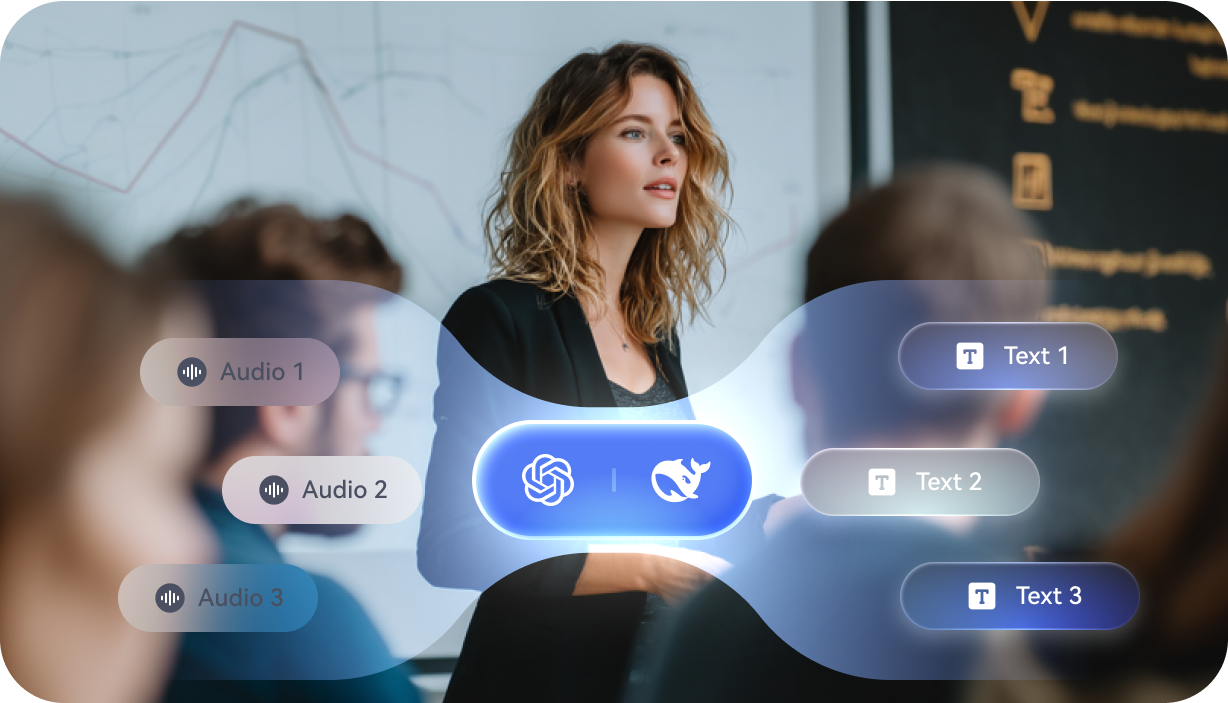
An ai audio translator is an artificial intelligence-powered tool that converts spoken content from one language to another while maintaining the original message’s clarity and intent. Unlike traditional translation methods that require hiring professional translators, recording studios, and voice actors for each language, modern AI technology can process and translate audio files in minutes.
The technology works by first transcribing the audio into text, translating that text into the target language, and then generating natural-sounding speech in the new language. Advanced systems now offer multilingual audio translation across 20 or more languages, making content accessible to billions of people worldwide who speak different languages.
The Rise of AI Audio Translation
Traditional audio translation was expensive, time-consuming, and often limited in quality. Companies would spend thousands of dollars translating a single video or audio file, waiting weeks for professional translators and voice actors to complete the work. The process involved multiple steps: transcription, translation, voice casting, recording, and editing.
Modern ai audio translation online services have revolutionized this entirely. What once took weeks and significant budgets now happens in minutes at little to no cost. Content creators can upload an audio file, select their target language, choose a voice style, and receive professional-quality translated audio almost instantly. This democratization of translation technology means even individual creators and small businesses can reach global audiences effectively.
Key Features of the Best Online Audio Translator
When evaluating options for audio translation, several features distinguish exceptional tools from basic ones. Understanding these features helps you choose the right solution for your needs.
Language Coverage: The best systems support comprehensive language options. Look for platforms offering at least 20 languages, including major global languages like English, Spanish, Chinese, Japanese, Arabic, French, German, Portuguese, and Korean. Wider language coverage means you can reach more diverse audiences with a single tool.
Voice Quality and Variety: A truly effective free audio translator tool should provide multiple voice options in each language. Different content types require different voice styles. Educational content might need a calm, authoritative tone, while marketing materials might work better with energetic, enthusiastic voices. Having 100 or more voice options ensures you can match the right tone to your content.



Accuracy and Natural Sound: Translation accuracy determines whether your message actually communicates properly. The AI should understand context, idioms, and cultural nuances. Additionally, the generated speech should sound natural rather than robotic, with appropriate pacing, emphasis, and emotional expression.
Speed and Simplicity: The entire process should be straightforward. Upload your file, select your target language and preferred voice, then generate results. Processing times should be reasonable—typically just a few minutes for standard audio files—making the technology practical for real-world use.
Real-World Applications Across Industries
Content Creation and Media
Podcasters and video creators are using AI audio translators to expand their reach dramatically. A YouTuber who previously served only English-speaking audiences can now offer their content in Spanish, French, Japanese, and other languages. This multiplies potential viewership without requiring multiple recording sessions or multilingual presentation skills.
Travel vloggers translate their narratives for international viewers. Educational channels make tutorials accessible to non-English speakers. Entertainment podcasters reach listeners across language barriers. The technology enables creators to build truly global audiences while focusing on content creation rather than language logistics.
Business and Corporate Communication
Companies leverage audio transcription and translation for various purposes. Marketing teams translate product demonstration videos, ensuring consistent messaging across international markets. Customer service departments translate training materials, enabling support teams worldwide to deliver quality service. Sales teams translate presentations and pitch materials for international prospects.
The cost savings are substantial. Instead of hiring translation services for each piece of content and recording studios for each language version, businesses can translate unlimited audio content at minimal cost. This makes international expansion more accessible for companies of all sizes.
Education and E-Learning
Educators and course creators use these tools to serve diverse student populations. A professor can record lectures once and make them available in multiple languages, supporting international students or language learners. Training departments translate onboarding materials, ensuring new employees understand important information regardless of their primary language.
The technology particularly benefits online learning platforms serving global audiences. Course creators can offer multilingual versions of their content, expanding their potential student base while maintaining instructional quality. Language barriers no longer limit who can access quality education.
How to Use an AI Audio Translator Effectively
Getting started with audio translation is remarkably straightforward, but understanding best practices ensures optimal results.
Prepare Your Source Audio: Quality input creates quality output. Record your original audio clearly, minimizing background noise. Speak at a moderate pace with clear pronunciation. Better source audio results in more accurate transcription and translation.
Select the Right Target Language: Consider your audience’s location and preferences. Some regions have multiple language preferences or dialects. Research your target market to ensure you’re translating to the most appropriate language variant.
Choose an Appropriate Voice: Listen to available voice samples before making your selection. Consider your content type and audience expectations. Educational content typically works better with calm, clear voices, while promotional content might benefit from more energetic options.
Review and Refine: After translation, listen to the complete output. Verify that the translation accurately conveys your message and that the pacing and tone feel appropriate. Most platforms allow you to regenerate with different settings if needed.
Optimize for Your Platform: Consider where you’ll use the translated audio. Different platforms may have specific audio format requirements or quality standards. Ensure your final output meets these specifications.
Advantages Over Traditional Translation Methods
Traditional audio translation involved hiring professional translators to convert scripts, then hiring native-speaking voice actors to record the translated content. This process was slow, expensive, and difficult to scale. Making updates or corrections required repeating the entire process.
Modern AI audio translators eliminate these challenges. Generate translated audio in minutes instead of weeks. Make unlimited revisions without additional costs. Scale to any number of languages without proportional cost increases. Update content instantly when changes are needed.
The quality has reached a point where many listeners cannot distinguish AI-generated translations from human recordings. Natural prosody, appropriate emotional expression, and accurate pronunciation make the output professional and engaging.
Choosing the Right Platform
While many audio translation services exist, they vary significantly in quality, features, and accessibility. Some platforms impose strict usage limits, require expensive subscriptions, or produce unnatural-sounding output. Others offer limited language options or lack voice variety.
The best platforms provide comprehensive features without artificial limitations. Look for services offering truly free access to core functionality, supporting your target languages, providing sufficient voice options, and delivering natural-sounding results. Read user reviews and test platforms with sample content before committing to large translation projects.
The Future of Audio Translation
AI audio translation technology continues advancing rapidly. Emerging capabilities include voice cloning, allowing translation while preserving the original speaker’s unique vocal characteristics. Real-time translation is becoming more practical, enabling live multilingual broadcasts. Emotional intelligence improvements help AI better understand and convey sentiment across languages.
As these technologies mature, we’ll see even more sophisticated applications. Imagine podcasts automatically available in dozens of languages moments after recording, or live events with instant multilingual audio streams for global audiences. The technology is moving toward making language barriers almost irrelevant for audio content.
Getting Started Today
The barrier to entry has never been lower. You don’t need technical expertise, expensive equipment, or large budgets. Modern audio translation platforms are designed for immediate use by anyone. Simply upload your audio file, select your target language and preferred voice, and generate professional-quality translated audio within minutes.
Whether you’re a content creator looking to expand your audience, a business entering new markets, or an educator serving diverse learners, audio translation technology offers practical solutions. The combination of quality, speed, and accessibility makes it an indispensable tool for anyone working in our global digital environment.
Start exploring audio translation today, and you’ll quickly discover how transformative it can be for reaching and engaging international audiences. The technology that once seemed futuristic is now readily available, ready to help you communicate effectively across language barriers.