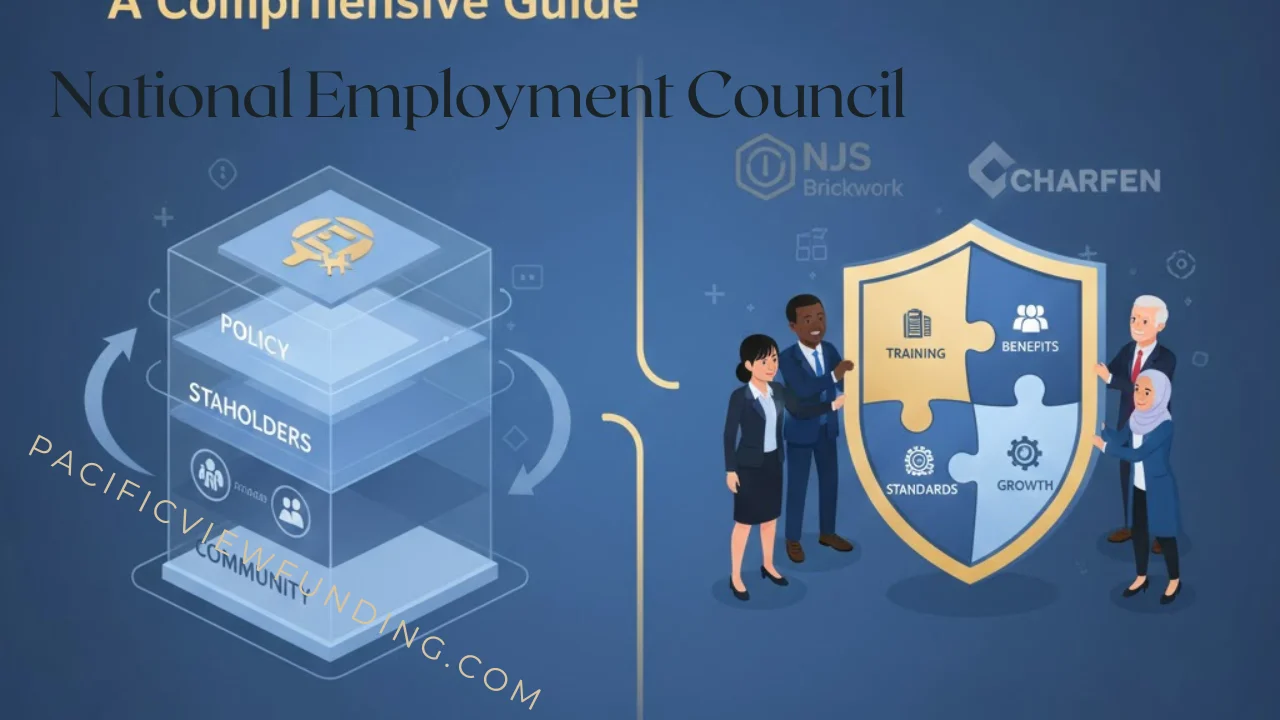
Introduction to National Employment Council
The world of work is ever-evolving, and navigating this landscape can be challenging. Enter the National Employment Council, a vital player in shaping labor relations and employment practices across nations. These councils serve as bridges between employers, employees, and the government, fostering collaboration to create fair workplaces. Understanding their structure and function can shed light on how they contribute to economic stability and workforce development. Let’s dive into the history, purpose, responsibilities, and successes of national employment councils while exploring their significance in today’s job market.
- Introduction to National Employment Council
- History and Purpose of National Employment Councils
- Responsibilities and Functions of a National Employment Council
- Examples of Successful National Employment Councils
- Importance of Collaborating with Employers, Employees, and Government
- Challenges Faced by National Employment Councils
- Future Outlook for National Employment Councils
- Conclusion
History and Purpose of National Employment Councils
National Employment Councils (NECs) have their roots in the evolving landscape of labor relations. Established to address growing concerns about employment standards, they emerged as vital entities for balancing the needs of employers and employees.
The initial purpose was straightforward: create a platform for dialogue. NECs aimed to foster collaboration between various stakeholders, ensuring that voices from all sectors were heard. They focused on improving working conditions and promoting fair practices across industries.
As economies developed, so did the role of these councils. They expanded their focus beyond mere negotiation to include workforce development strategies and skills training initiatives. This shift helped adapt to changing market demands while supporting sustainable economic growth.
Through this evolution, NECs became key players in shaping national policies related to employment and labor rights. Their influence continues to grow as society grapples with new challenges in the world of work.
Responsibilities and Functions of a National Employment Council
A National Employment Council plays a crucial role in shaping job markets. Its primary responsibility is to foster collaboration among various stakeholders, including employers, employees, and government bodies.
These councils often set employment standards that align with national policies. They advocate for fair labor practices and ensure compliance with regulations. This involves regular consultations and negotiations aimed at improving working conditions.
Additionally, they provide valuable insights through research and data analysis on labor trends. By examining the evolving needs of industries, these councils help shape workforce development programs.



Training initiatives are another vital function. They equip workers with skills that meet current market demands while also preparing for future changes.
The council serves as a mediator during disputes between employers and employees. Their involvement can lead to resolutions that benefit both parties while maintaining harmony in the workplace.
Examples of Successful National Employment Councils
National Employment Councils have proven to be effective in various countries, showcasing their potential for fostering collaboration between employers and employees.
In Canada, the National Employment Council plays a pivotal role in workforce development initiatives. It brings together industry leaders and labor representatives to address skills gaps and enhance job opportunities.
Australia’s National Employment Council has also made strides by promoting apprenticeships and vocational training programs. Their efforts ensure that young people are equipped with the necessary skills for future employment.
In the United Kingdom, similar councils focus on sector-specific challenges. They work closely with businesses to create tailored solutions that benefit both workers and employers.
These examples highlight how successful national employment councils can drive economic growth while supporting individual career aspirations through strategic partnerships across sectors.
Importance of Collaborating with Employers, Employees, and Government
Collaboration among employers, employees, and government is vital for the success of a national employment council. Each group brings unique perspectives that can shape effective policies. Employers understand industry needs while employees provide insights into workforce challenges.
Government plays a crucial role in setting regulations and ensuring fair practices. When all parties work together, they create an environment where job growth thrives. This synergy fosters innovation and adaptability in rapidly changing markets.
Engaging with stakeholders helps identify skill gaps and training opportunities. It also promotes transparency in decision-making processes. Open communication channels lead to better understanding and trust among all involved.
The collective effort enhances labor market dynamics, ensuring it meets both current demands and future trends. This collaboration lays the groundwork for economic resilience and sustainable development within communities across the nation.
Challenges Faced by National Employment Councils
National Employment Councils often navigate a complex landscape. One major challenge is the diverse needs of various industries. Each sector has unique demands, making it tough to create one-size-fits-all solutions.
Another significant hurdle is funding. Many councils rely on government support and contributions from employers, which can be inconsistent. This financial instability limits their ability to implement programs effectively.
Councils also face communication barriers among stakeholders. Employers, employees, and government representatives may have differing priorities or perspectives on issues affecting the workforce.
Additionally, adapting to technological changes poses problems for National Employment Councils. Keeping up with evolving job requirements requires constant training and resources that some councils struggle to provide.
There’s the pressing need for data-driven decision-making. Without accurate labor market information, councils cannot assess employment trends accurately or respond proactively to challenges in the job market.
Future Outlook for National Employment Councils
The future of National Employment Councils presents a landscape rich with potential. As the workforce evolves, these councils will need to adapt to emerging trends in employment and labor relations.
Technological advancements are reshaping industries at an unprecedented rate. Councils must embrace digital tools and platforms for more efficient communication among employers, employees, and government agencies.
Additionally, as remote work becomes commonplace, National Employment Councils may play a pivotal role in establishing new standards for telecommuting practices. This shift brings both challenges and opportunities that can redefine workplace dynamics.
Sustainability is another pressing issue. Future councils will likely focus on promoting green jobs and supporting initiatives aligned with environmental responsibility.
The adaptability of National Employment Councils will be crucial in navigating these changes while fostering collaboration across all sectors of society.
Conclusion
National Employment Councils play a crucial role in shaping the workforce landscape. Through their collaborative efforts, they bring together employers, employees, and government entities to address labor market issues effectively. As societies evolve, so do the challenges that National Employment Councils face. Adapting to these changes will be pivotal in ensuring they continue to meet the needs of both workers and businesses.
The future outlook for National Employment Councils appears promising if they remain proactive and responsive. By leveraging technology and fostering strong partnerships across sectors, they can navigate potential obstacles while enhancing workforce development strategies.
National Employment Councils are not just organizations; they’re vital components of a thriving economy. Their impact resonates through improved employment standards and enhanced worker rights. Embracing collaboration is not just beneficial—it’s essential for sustainable growth and progress in today’s ever-changing labor environment.