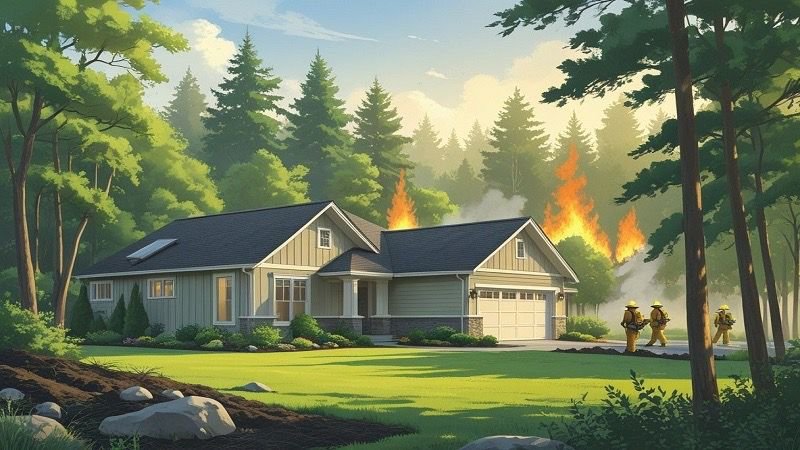
Oregon faces increasing wildfire threats, making property protection a critical concern for homeowners across the state. Effective wildfire mitigation combines two essential approaches: creating defensible space around structures and hardening homes with fire-resistant materials and features. These measures significantly reduce the risk of property damage and give firefighters better opportunities to defend homes during active wildfires.
The state has established specific regulations and building code standards to help property owners address wildfire risks in vulnerable areas. Understanding these requirements and implementing proven mitigation strategies can make the difference between a home that survives a wildfire and one that doesn’t. Oregon’s mitigation framework focuses on practical steps that reduce ignition risks from embers and direct flame contact.
This guide covers the core strategies property owners need to protect their homes and the regulatory landscape governing wildfire mitigation in Oregon. From vegetation management to building materials, these approaches work together to create fire-adapted properties that stand a better chance against wildfire threats.
Key Strategies for Wildfire Mitigation in Oregon
Property owners in Oregon can significantly reduce wildfire risk through a combination of defensible space creation, strategic landscaping choices, structural improvements, and proactive preparedness measures. These interconnected strategies work together to enhance wildfire resilience in vulnerable areas.
Creating Defensible Space Around Your Home
Defensible space serves as a critical buffer between structures and the surrounding landscape, reducing the likelihood of fire spread. Oregon regulations typically divide this area into zones based on distance from the home.
The first zone extends 30 feet from structures and requires the most intensive management. Property owners should remove dead vegetation, trim tree branches within 10 feet of the ground, and maintain at least 10 feet of clearance between tree crowns. All flammable materials, including firewood piles and debris, must be relocated away from the home.



The second zone extends from 30 to 100 feet and focuses on fuel reduction. Vegetation in this area should be thinned to prevent fire from moving rapidly toward the home. Trees need adequate spacing, with distances varying based on slope and species.
Regular maintenance is essential for maintaining effective defensible space. Property owners should inspect these zones seasonally, removing new growth and accumulated debris. The Oregon Department of Forestry provides specific guidance on spacing requirements and vegetation management techniques appropriate for different regions of the state.
Fire-Resistant Landscaping and Vegetation Management
Fire-resistant landscaping reduces wildfire risk while maintaining attractive outdoor spaces. Plant selection plays a fundamental role in wildfire prevention within the wildland-urban interface.
Fire-resistant plants typically have high moisture content, low resin or oil levels, and grow close to the ground. Native Oregon species like serviceberry, red-twig dogwood, and kinnikinnick offer natural fire resistance. Deciduous trees generally ignite less readily than conifers and should be prioritized near structures.
Recommended Fire-Resistant Plants for Oregon:
Plant Type | Examples | Key Characteristics |
Shrubs | Mock orange, snowberry, currant | High moisture, minimal dead material |
Ground covers | Sedum, wild strawberry, creeping thyme | Low-growing, succulent foliage |
Trees | Maple, alder, aspen | Deciduous, less flammable bark |
Flammable vegetation such as juniper, Douglas fir saplings, and dead grasses must be managed aggressively. Property owners should create breaks between plant groupings and avoid continuous fuel beds that allow fire to spread. Irrigation systems help maintain plant moisture levels during dry seasons, further reducing ignition potential.
Home Hardening and Structural Upgrades
Home hardening addresses vulnerabilities in structures that allow wildfire to cause damage or destruction. Building materials and design features determine how well a home withstands ember attacks and radiant heat.
Roofing represents the most vulnerable area during wildfires. Class A fire-rated materials like metal, tile, or asphalt composition shingles provide essential protection. Existing wood shake roofs should be replaced as they pose significant risk.
Critical Home Hardening Improvements:
- Install dual-pane or tempered glass windows to resist heat
- Use non-combustible siding materials such as stucco, fiber cement, or treated wood
- Cover attic vents with 1/8-inch metal mesh to prevent ember entry
- Seal gaps around eaves, doors, and windows
- Install metal gutters and keep them clear of debris
Windows and vents allow ember intrusion during wildfires. Upgrading to multi-pane windows reduces breakage risk, while specialized vent covers block embers without impeding airflow. Oregon building codes in high-risk areas now require specific wildfire hazard mitigation measures for new construction.
Decks and fencing require particular attention. Composite or metal decking materials outperform wood, and maintaining clearance beneath decks prevents heat accumulation. Fencing should incorporate metal posts and non-combustible materials within the immediate home zone.
Wildfire Preparedness and Risk Reduction Practices
Wildfire preparedness extends beyond physical modifications to include planning and ongoing vigilance. Property owners must develop evacuation plans and maintain readiness during fire season.
Creating an emergency kit with essential documents, medications, and supplies ensures quick departure when evacuation orders arrive. Households should identify multiple escape routes and establish communication plans with family members. Registration with local emergency alert systems provides early warnings.
Regular property maintenance reduces accumulated fuels. This includes removing needles and leaves from roofs and gutters, clearing vegetation from fence lines, and disposing of pruning debris properly. Many communities offer chipping services or designated disposal sites for green waste.
Coordination with neighbors amplifies individual efforts. Shared fuel reduction projects along property boundaries create larger defensible areas. Some Oregon communities organize prescribed burning programs or coordinate professional Oregon fire mitigation services to treat larger landscapes. Participating in local fire prevention associations strengthens community-wide wildfire resilience.
Property owners should monitor fire danger levels through official sources and adjust activities accordingly. During high-risk periods, avoid outdoor burning, limit equipment use that generates sparks, and maintain heightened awareness of changing conditions. Documentation of mitigation work through photos and records assists with insurance claims and demonstrates compliance with local requirements.
Wildfire Hazard Mitigation Regulations and Local Compliance in Oregon
Oregon’s wildfire mitigation regulations center on the Oregon Residential Specialty Code Section R327, which establishes specific construction standards for new dwellings and accessory structures in designated fire-prone areas. Local jurisdictions have significant authority in adopting and enforcing these standards, while permitting requirements ensure compliance during the building process.
Understanding the Oregon Residential Specialty Code and Section R327
The Oregon Residential Specialty Code (ORSC) Section R327 provides comprehensive wildfire hazard mitigation standards for residential construction. The Department of Consumer and Business Services developed these requirements in 2018 through collaboration with fire service professionals, local government representatives, and homebuilders.
Section R327 became available for local adoption in January 2019. The code addresses critical aspects of home hardening, including requirements for ignition-resistant roofing and siding materials, fire-resistant windows, and specialized attic ventilation devices that reduce ember intrusion.
These standards apply specifically to properties in areas identified as having elevated wildfire risk. The regulations establish minimum performance criteria that construction materials and methods must meet to enhance a structure’s ability to withstand wildfire conditions.
Permitting Requirements for New Dwellings and Accessory Structures
New dwellings and accessory structures in applicable zones must meet R327 standards during the permitting process. Property owners submit building plans that demonstrate compliance with the adopted wildfire mitigation requirements before receiving approval.
The permitting phase requires documentation showing the use of approved materials and construction techniques. This includes specifications for exterior walls, roof assemblies, eaves, vents, and other vulnerable building components. Inspections verify that construction matches the approved plans and meets the required fire-resistance ratings.
Wildfire mitigation projects involving additions or significant modifications to existing structures may also trigger R327 compliance requirements. The specific thresholds vary based on local adoption of the code provisions.
Role of Local Jurisdictions, Enforcement, and Model Codes
Local jurisdictions in Oregon determine whether to adopt R327 standards and which specific provisions apply within their boundaries. This approach allows cities and counties to tailor requirements based on their unique wildfire risk profiles and community needs.
The Oregon State Fire Marshal provides guidance and resources to support local implementation efforts. Jurisdictions enforce adopted standards through their building departments and inspection processes.
Recent legislative changes eliminated the statewide wildfire hazard map, shifting greater responsibility to local authorities for identifying risk areas and establishing appropriate mitigation measures. This decentralized approach enables communities to consider existing fire protection infrastructure, local terrain characteristics, and historical fire patterns when developing their building code requirements.