Zinc is an essential trace mineral that plays a key role in numerous physiological processes, including immune function, protein synthesis, DNA synthesis, and normal cell division. Because the body does not store large amounts of zinc, regular dietary intake is necessary to maintain optimal levels. Zinc supplementation is commonly used to support normal nutrition when dietary intake may be insufficient.
Daily zinc requirements and dietary intake
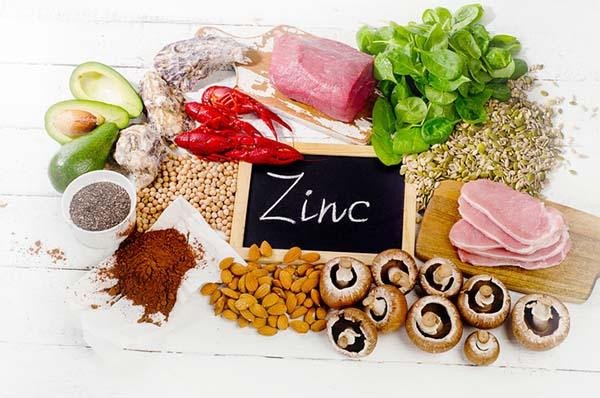
Zinc requirements vary depending on age, sex, and physiological status. For most adults, recommended daily intakes are generally in the range of 8–11 mg per day. Zinc is naturally present in foods such as meat, dairy products, whole grains, seeds, nuts, and legumes. Diets that are low in animal products or high in phytate-rich foods may reduce zinc absorption, increasing the likelihood of suboptimal intake.
Supplementation can help support zinc intake in individuals whose diets do not consistently provide adequate amounts. Zinc supplements are available in various forms, including zinc gluconate, citrate, picolinate, and sulfate. While these forms differ slightly in absorption characteristics, the most important factor is the amount of elemental zinc provided per serving.
Typical zinc dosing strategies
Zinc supplements are commonly taken in doses ranging from 5 to 25 mg of elemental zinc per day, depending on individual needs and dietary intake. Lower doses are often sufficient for long-term, daily supplementation aimed at supporting normal physiological functions. Higher doses are generally used for short periods during times of increased demand.
Zinc is usually taken with food to reduce the likelihood of stomach discomfort, although certain foods high in fibre or phytates may reduce absorption. For this reason, some individuals prefer to take zinc supplements between meals. Consistency in dosing is more important than exact timing, and supplementation should complement, not replace, zinc-rich foods.
Individual zinc needs may also vary due to factors such as intense physical activity, limited dietary variety, or increased physiological demand. In such cases, short-term supplementation may help maintain normal zinc-dependent functions. Monitoring total intake from both food and supplements allows zinc to be used effectively as part of a well-structured nutritional approach without disrupting overall dietary balance.
Source: bodyup.co.uk
Duration of supplementation and nutrient balance
Long-term zinc supplementation should take overall mineral balance into account. Zinc and copper share absorption pathways, and prolonged high zinc intake may influence copper status. For this reason, moderate dosing and periodic breaks from supplementation are often recommended unless specific needs justify continued use.


Zinc supplementation should be considered part of a broader nutritional strategy focused on variety and adequacy. A balanced diet remains the primary source of essential minerals, with supplements serving as a practical tool to support normal intake when needed.