Building a custom barn home can feel confusing if you do not know where to start says Amber Management team. Many people choose barn homes because they are affordable and flexible for families. This blog will give clear steps on planning, design, permits, and budgeting your project.
- Establishing a Budget
- Selecting the Right Location
- Understanding Local Regulations
- Planning the Design and Layout
- Optimize interior functionality for current and future needs
- Incorporate custom features like windows and insulation
- Choosing a Foundation and Roof Style
- Evaluate foundation options based on soil and climate
- Select a roof design that complements aesthetics and durability
- Conclusion
Read on for simple tips before you build!
Establishing a Budget
Building a custom barn home needs careful money planning from the start. Review your costs and check different ways to pay before moving forward.
Account for materials, labor, permits, and unexpected costs
Material costs take up a large part of your budget. Lumber, steel, windows, insulation, and flooring all add up fast. Labor also affects the final price since skilled workers charge more for custom home design or barndominium builds.
Permits are not free; most counties require fees for building permits and inspections before starting construction.
Unexpected costs can show up during any step in the process. Weather may cause delays that raise labor charges or damage materials on-site. Sometimes soil issues force changes to your foundation plan, increasing total expenses.
Plan an extra 10 to 20 percent above your first cost estimate so you do not run out of funds before finishing your property or home layout project.
Explore financing options
Building a custom barn home is an exciting journey. To make this dream happen, exploring financing options is key. Start by checking with local banks and credit unions for loans specifically for construction projects.


These loans may come with different terms and interest rates.
Consider government programs that help first-time builders or those seeking affordable housing. Some organizations offer grants or low-interest loans as well. It can be wise to discuss your budget clearly while looking at all available choices.
Keep in mind that having a solid plan will help you secure the best financing for your needs.
A good budget is the first step to building your dream home.
Selecting the Right Location
Choosing the right spot for your barn home is key. Look at the land’s soil and drainage to make sure it fits your needs.
Assess soil quality and drainage
Soil quality and drainage are key factors when building a custom barn home. Good soil supports the foundation. It helps keep your home stable for years to come. Test the soil to see its type and strength.
This will help you decide which foundation is best.
Drainage is just as important. Proper drainage prevents water from pooling around your home, which can cause damage over time. Check for natural slopes on your property. A slope guides water away from your house, keeping it dry.
Make these assessments early in the planning stage for a solid start to construction.
Ensure accessibility and suitability for intended use
Assessing soil quality and drainage is just one piece of the puzzle. Next, you must ensure your custom barn home is accessible and suitable for its intended use. Location matters. Pick a spot that allows easy access for vehicles, deliveries, and guests.
Also, think about what activities you’ll do there. If you plan to run a business or have livestock, your layout should support those needs.
Check if local roads are well-maintained and wide enough for larger trucks if needed. Ensure nearby services like internet access meet modern living standards. The right location will make daily life easier and more enjoyable in your new barn home.
Understanding Local Regulations
Each area has its own rules for building homes. You need to check zoning laws and codes before you start your project. A well-planned budget will not only help you avoid financial stress but also ensure a healthy home that meets your family’s needs.
Check zoning laws and building codes
Zoning laws dictate how land can be used. They specify whether you can build a barn home in your chosen area. Building codes set safety standards for construction. These rules may cover materials, height, and overall design.
Discover what regulations apply to your property before starting the project. Some areas require special permits for certain designs or uses. Overlooking these laws can lead to fines or necessary changes to your plans later on.
Always check local requirements first; it saves time and money in the long run.
Obtain necessary permits before construction
Building a custom barn home requires permits. These documents are needed to follow local laws and codes. Start by checking with your city or county office. They can tell you what permits are necessary for your project.
Getting these permits before starting construction is crucial. This process ensures that your barn home meets safety standards. It also helps avoid fines or delays later on. Make sure you have all the correct building permits in place so everything runs smoothly during construction.
Planning the Design and Layout
Create a space that works well for your current needs. Choosing the right design elements can help ensure that your custom barn home becomes a clean and happy place to live in for you and your family. Think about how you might use it in the future too.
Optimize interior functionality for current and future needs
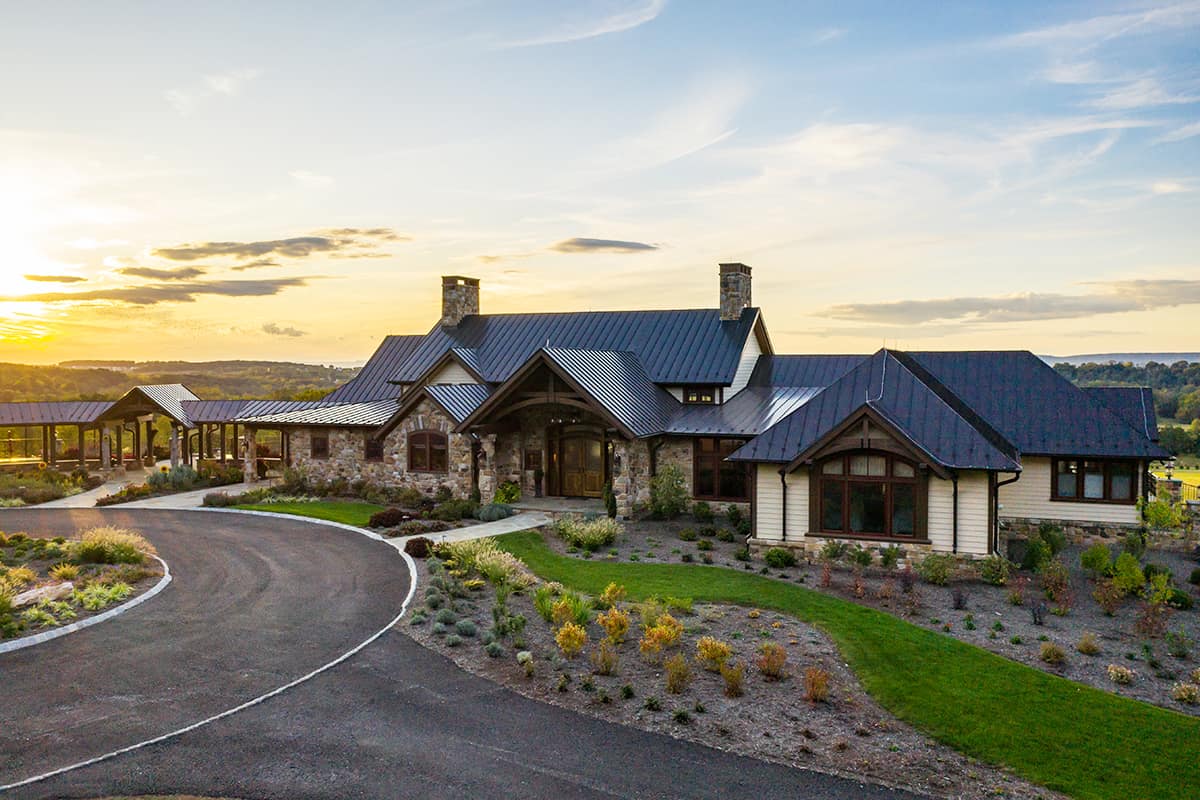
Barndominiums offer a unique blend of style and functionality that can be tailored to fit various needs and preferences.
Space planning is key for a custom barn home. Focus on your current needs and think about the future too. Design areas that work well now, like open living spaces. Include flexible rooms that can change as your needs grow.
You might want an office today but need a guest room later.
Choose furniture and storage options wisely. Built-in shelves or multi-use items save space while adding function. Good layout makes everyday life easier and more enjoyable. Think about how you will use each area over time to make smart choices in your design.
Incorporate custom features like windows and insulation
Custom features can make your barn home stand out. Think about adding large windows to let in natural light and provide a nice view. This can brighten up your space and create an inviting atmosphere.
Insulation is also important for comfort. Good insulation keeps the heat in during winter and stays cool in summer.
Choosing the right materials is key for both windows and insulation. Energy-efficient windows save on heating and cooling costs. High-quality insulation will help keep your home cozy all year long.
Customizing these elements enhances your living experience while making your barn home unique.
Choosing a Foundation and Roof Style
Pick a strong foundation that suits your land. Your roof style should match the look of your barn home while being sturdy enough to weather storms.
Evaluate foundation options based on soil and climate
Soil type and climate matter greatly when choosing a foundation for your barn home. Sandy soil drains well but may not hold heavy structures. Clay soil expands and shrinks, which can cause issues if not managed correctly.
The climate also plays a role in the kind of foundation you need. In colder areas, frost heave can damage foundations, so deep footings are often required. Warmer climates may allow for simpler designs that save costs but still support your structure well.
Always consider these factors to ensure stability in your custom barn home design.
Select a roof design that complements aesthetics and durability
After you evaluate foundation options based on soil and climate, think about your roof design. The roof is a crucial part of your barn home. It protects against weather and adds to the look of your house.
A good design will match the style you want.
You can choose from many types of roofs, like gable or metal styles. Gable roofs are great for shedding rain and snow, while metal roofs last a long time. Pick materials that fit with local weather conditions too.
Strong materials can resist strong winds or heavy rains, ensuring your home stays safe and looks nice for years to come.
Conclusion
Building a custom barn home is an exciting journey. Plan wisely and stay on budget. Pick the right site for your needs. Understand all local rules before you start construction. With careful thought, your dream home can become a reality that suits your style and lifestyle.
Enjoy the process!