Crowded courses turn minor medical issues into serious incidents more quickly than most organisers acknowledge. And long, static medical posts belong to another era, when events felt smaller, slower, safer. Modern on-course care requires wheels, radios, and rigorous efficiency. So mobile first-aid stations change the basic mathematics of response: shorter distances, faster triage, sharper communication, clearer accountability. They don’t just shorten the dash to a fallen runner or rider; they reshape planning, staffing and risk itself. And once events adopt them properly, there’s no honest way back or serious argument for regression.
Speed As A Clinical Tool
Speed on a course isn’t just about race times; it decides who walks away and who doesn’t. Mobile first-aid stations convert dead ground into covered territory, especially at large, mass participation events. Fixed tents wait for trouble. Mobile teams hunt it. They reduced the time from collapse to the first clinical decision, thereby enabling earlier defibrillation, airway management, cooling, or bleeding control. So the stopwatch becomes a medical instrument. And when planners map courses, they start thinking in minutes to reach, not metres from a tent, and certainly not in vague, hopeful estimates.
Designing The Moving Clinic
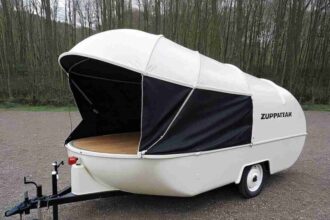
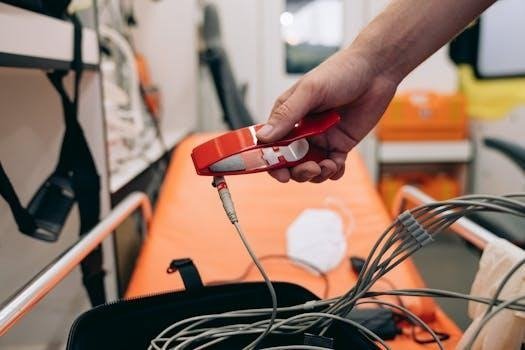
A mobile station succeeds or fails long before race day, as reflected in a planning spreadsheet. And the best ones behave like tiny rolling clinics, not flashy golf buggies with a first aid box. Equipment sits where hands expect it. Oxygen, defibrillator, splints, fluids, comms: everything has a home, and nothing rattles loose. So crews move through a drilled routine rather than a treasure hunt on wheels. When a call comes, the team deploys within seconds, rather than minutes spent stuffing kit into an already crowded vehicle, while frustrated control staff repeat location details yet again.
Data, Coverage And Cold Reality
Guesswork kills time. Event medics who rely on intuition about “busy spots” often miss the sudden collapse in the quiet section. Mobile first-aid stations perform best when planners provide them with data: previous incident maps, heat-stress models, elevation, bottlenecks, and even toilet locations. Patterns appear. Thus, routes for roving units begin to reflect risk rather than convenience. That shift reduces response times by minutes where they matter most. And a blunt audit after the event forces hard questions about blind spots, over-coverage and fantasy staffing plans that exist only to comfort anxious committees.
Human Factors On The Move



Equipment never saves anyone without a switched-on crew. Mobile units impose heavy cognitive loads on medics: navigation, radio traffic, crowd avoidance, and clinical judgement, all at once. Fatigue creeps in. So training must look more like scenario-based chaos than neat classroom drills. Crews rehearse aggressive yet safe driving, rapid scene assessment, and rigorous prioritisation. And organisers support them with clear command structures, simple radio protocols, and realistic shift lengths, rather than romantic nonsense about heroic endurance from already stretched clinicians, who then make predictable, avoidable mistakes.
Conclusion
Shorter medical response times rarely come from heroics; they come from design choices that refuse to waste a single minute. Mobile first-aid stations exemplify such design. They compress distance, bring skills to the casualty and turn sprawling events into something clinically manageable. So the real question for organisers doesn’t concern cost or complexity, but liability and ethics. If a faster, mobile model exists and the evidence keeps stacking up, slow static setups start to look less like tradition and more like negligence in bright daylight.