The UK has quietly become one of the most active environments for micro-business formation in Europe. From freelance designers and independent consultants to online sellers and local service providers, more people are turning part-time income streams into proper registered businesses — and the numbers back this up.
The Micro-Business Boom Is Real
According to the Federation of Small Businesses, micro-businesses — defined as those with fewer than ten employees — make up around 95% of all private sector businesses in the UK. The solo operator category has grown steadily in recent years, driven by shifts in remote work culture, broader access to digital tools, and a generation of workers who value income independence over traditional employment.
This is not just a pandemic-era blip. New company incorporations have remained high, at roughly 80,000+ annually — a process that involves fees and public filings for Ltd structures, unlike the US, where free LLC registration is often available through third-party services covering preparation costs (state filing fees still apply). Many of these are individuals who spent months running a side hustle before deciding to make things official.
When “Official” Actually Matters
There is a point in most freelance or informal business journeys where staying unregistered starts to create real problems. That threshold tends to arrive when income grows past a level that demands attention — particularly the £1,000 trading allowance, beyond which HMRC requires a Self Assessment return, or the VAT threshold, currently set at £90,000 in annual taxable turnover.
Beyond tax obligations, there are practical reasons to formalise. Clients — especially larger ones — often prefer to work with a registered limited company or at least a sole trader with a proper paper trail. It builds trust, allows for cleaner contracts, and separates personal finances from business ones.
Sole Trader vs. Limited Company: The Core Decision
One of the first real choices a micro-business owner faces is how to structure the business. Both options have distinct trade-offs worth understanding before committing.
Here is how the two main routes compare:
- Sole trader — simple setup: No registration with Companies House required, just a Self Assessment notification to HMRC. Lower admin, but personal liability is unlimited.
- Sole trader — tax filing: Income is taxed through Self Assessment. National Insurance contributions apply above the small profits threshold.
- Limited company — separate legal entity: The business is distinct from the owner, which limits personal liability in most circumstances.
- Limited company — more admin: Annual accounts, confirmation statements, and Corporation Tax returns are all required. A registered office address is mandatory.
- Limited company — potential tax efficiency: Depending on profit levels, paying a combination of salary and dividends can be more tax-efficient than sole trader income tax rates.
The right choice depends heavily on income level, risk appetite, and growth plans — and many people choose to start as a sole trader before switching to a limited company as things grow.



Get the Digital Foundations in Order
Once the legal structure is sorted, the next practical step is building a credible online presence. For most micro-businesses, this means securing a domain name, setting up a professional email address, and putting together at least a basic website.
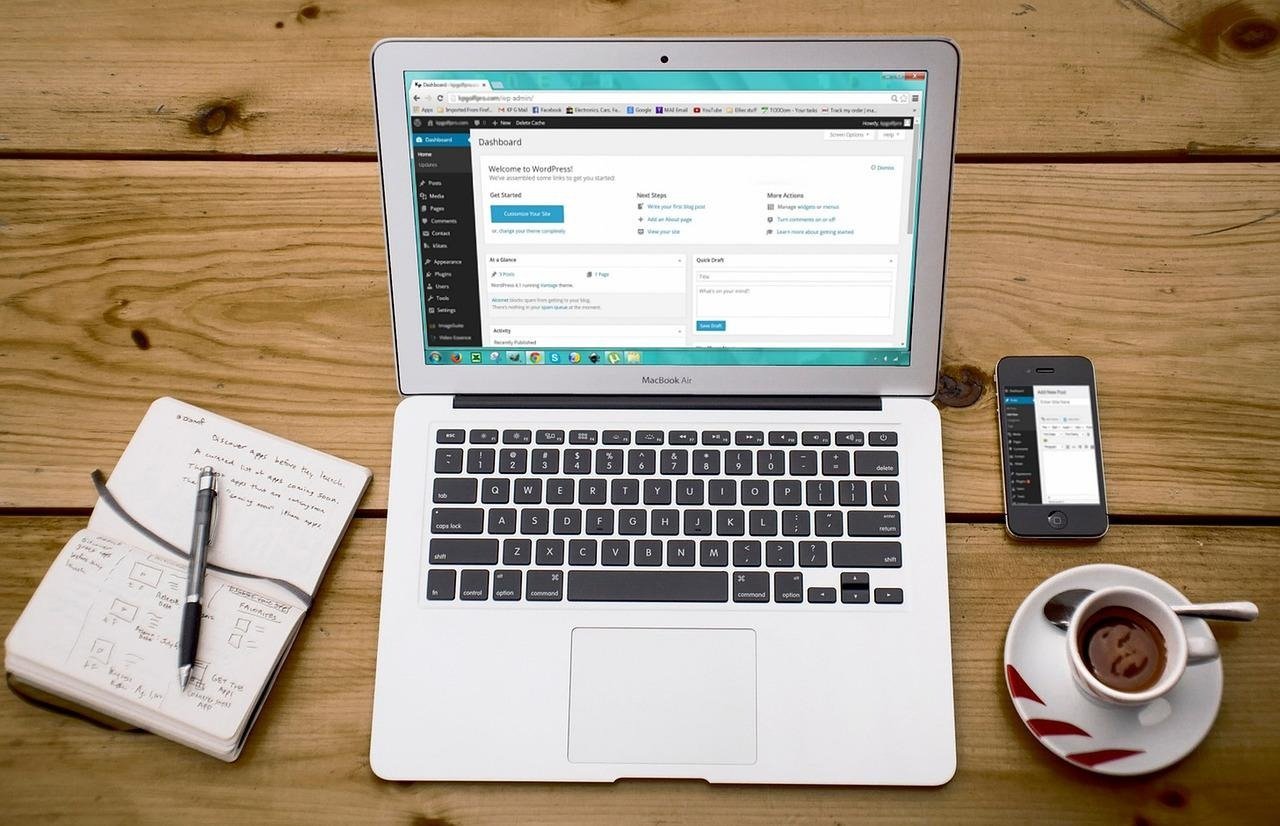
A domain that matches the business name is one of the simplest ways to look legitimate from day one. It matters for email — a Gmail address is fine for personal use, but a branded domain email reads as more professional to clients — and it matters for discoverability. These are the essentials worth sorting early:
- Domain name: Choose something short, memorable, and relevant to what the business does.
- Business email: Set up an address that uses the domain rather than a free provider.
- Website: Even a single-page site with contact details and a summary of services is better than nothing.
- Social profiles: Consistent branding across LinkedIn, Instagram, or wherever the target audience spends time helps build recognition faster.
Getting these pieces in place early avoids the common situation of having to rebrand later because a good domain was taken or a name did not scale well.
Takeaway on Businesses That Stick Around
The micro-businesses that move beyond the early, fragile stage tend to share a few habits. They treat admin seriously from the start — keeping records, tracking income, and not leaving tax planning until January. They price for sustainability instead of just trying to undercut the competition. And they invest, however modestly, in tools that reduce friction: accounting software, a proper website, a reliable way to take payments.
All in all, the journey from side hustle to registered business is rarely dramatic. It is usually a series of small, deliberate decisions — each one making the next step a little easier than the last one.