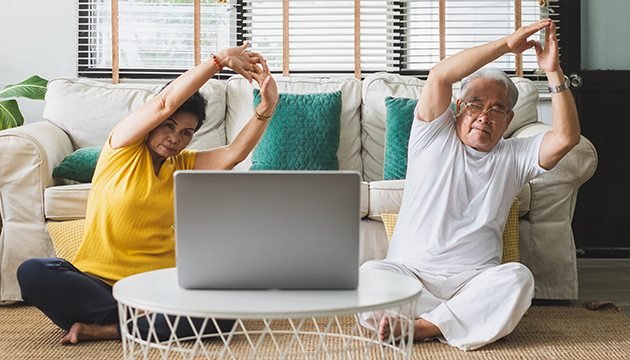
We often associate aging with slowing down. While it is true that our bodies change as we get older, these changes do not mean we must resign ourselves to a sedentary lifestyle. In fact, maintaining physical activity is arguably more critical in our later years than at any other stage of life.
The Life-Changing Benefits of Regular Movement
Exercise is often prescribed as a “miracle drug” for seniors, and for good reason. The physiological and psychological benefits of staying active extend far beyond weight management.
Preserving Independence
One of the greatest fears regarding aging is the loss of independence. Strength training and cardiovascular activity help maintain muscle mass and bone density. This physical resilience makes daily tasks—like carrying groceries, climbing stairs, or playing with grandchildren—easier and safer. Stronger muscles also significantly reduce the risk of falls, which are a leading cause of injury among older adults.
Cognitive Protection
The brain benefits from exercise just as much as the body does. Physical activity increases blood flow to the brain, which can help support cognitive function. Studies suggest that regular aerobic exercise may delay the onset of dementia and reduce the risk of Alzheimer’s disease.
Emotional Well-being
Isolation and depression can be significant issues for the elderly. Exercise releases endorphins, the body’s natural mood lifters. Furthermore, joining walking groups or fitness classes provides vital social interaction, combating feelings of loneliness.
Low-Impact Exercises That Pack a Punch
The goal of senior fitness is sustainability. You want a routine you can maintain without injury. Low-impact exercises are ideal because they provide cardiovascular and strength benefits without putting excessive stress on joints.
Yoga and Pilates
Yoga is exceptional for improving flexibility, balance, and core strength. For older adults, balance is crucial for fall prevention. Many yoga studios offer specific classes for seniors, including chair yoga for those with limited mobility.
Pilates focuses on small, controlled movements that strengthen the core (the muscles of the abdomen, lower back, and hips). A strong core stabilizes the entire body, improving posture and reducing back pain. Both disciplines also emphasize breathing, which aids in stress reduction and lung capacity.



Swimming and Water Aerobics
Water provides a unique environment for exercise. The buoyancy of water supports the body’s weight, relieving pressure on the spine, hips, and knees. This makes swimming an excellent option for those with arthritis or chronic pain.
Beyond swimming laps, water aerobics classes offer resistance training. Moving your limbs against the resistance of water strengthens muscles without the risk of impact injuries associated with lifting heavy weights or running on pavement.
Walking
Walking remains one of the most accessible and effective forms of exercise. It requires no special equipment other than a good pair of shoes. Regular brisk walking improves cardiovascular health, lowers blood pressure, and boosts immune function.
To make walking a habit, try “stacking” it with other activities. Listen to an audiobook, walk with a friend to catch up, or walk to run light errands. If the weather is a barrier, many seniors participate in mall walking programs to stay active indoors.
Tips for Maximizing Comfort and Safety
Discomfort is the enemy of consistency. If your workout hurts or feels awkward, you are less likely to stick with it. Here is how to ensure your physical activity remains a positive experience.
Prioritizing Footwear and Clothing
As we age, the padding on the soles of our feet can thin, and our arches may change. Investing in high-quality walking or athletic shoes with proper arch support and cushioning is non-negotiable.
Similarly, clothing should facilitate movement, not hinder it. Choose moisture-wicking fabrics that keep you cool and dry. Layering is also a smart strategy, allowing you to adjust your temperature as you warm up and cool down.
Staying Hydrated
Older adults are more susceptible to dehydration because the sensation of thirst often diminishes with age. You might not feel thirsty even when your body needs fluids.
Make a habit of drinking water before, during, and after physical activity. If you are engaging in prolonged exercise, consider an electrolyte drink to replace salts lost through sweat, but be mindful of the sugar content.
The Importance of Warm-ups and Cool-downs
Skipping the warm-up is a recipe for injury. Aging muscles and tendons are less elastic than younger ones. Spend at least 10 minutes gently warming up your body with dynamic movements like arm circles or marching in place before intensifying your activity.
After exercising, take time to cool down and stretch. Static stretching (holding a stretch for 15-30 seconds) helps maintain flexibility and prevents muscle stiffness the next day.
Addressing Common Concerns and Barriers
It is normal to face hurdles when starting or maintaining a fitness routine later in life. Acknowledging these concerns is the first step toward overcoming them.
Managing Joint Pain
Arthritis and general joint wear and tear can make movement daunting. However, inactivity often worsens stiffness. The key is modification. If walking hurts your knees, try a recumbent bike. If gripping weights hurts your hands, use resistance bands. Listen to your body—sharp pain is a signal to stop, but mild discomfort or stiffness often improves as you get moving.
Overcoming Oral Health and Mobility Issues
Physical mobility isn’t the only barrier to health. Oral health issues can surprisingly impact your ability to stay active. If you are experiencing pain in your mouth or have missing teeth, you may avoid eating nutrient-dense foods like crunchy vegetables or lean proteins essential for muscle repair and energy.
Poor nutrition leads to fatigue, making exercise feel impossible. Restorative solutions, such as dental implants in Henderson, TX, can be life-changing. They allow you to eat a balanced diet, fueling your body for the activity it needs.
The Role of Dental Health in Overall Well-being
While often treated as separate from general health, oral hygiene is deeply interconnected with how our bodies function, especially as we age.
The Inflammation Connection
Periodontal (gum) disease is a chronic inflammatory condition. Research has shown links between gum disease and other serious health issues, including heart disease, diabetes, and stroke. By maintaining good oral hygiene, you reduce the overall inflammatory load on your body, potentially lowering the risk of these systemic conditions that could otherwise sideline your fitness goals.
Nutrition and Energy
As mentioned, the ability to chew properly dictates your diet. Seniors often require more protein to combat muscle loss (sarcopenia). If oral pain limits you to soft, processed foods, you may not be getting the fuel required to build strength or maintain energy levels for a daily walk. Regular dental check-ups ensure your mouth is healthy enough to support a diet that supports an active lifestyle.
Confidence and Socialization
Mental health drives physical health. Dental issues can lead to self-consciousness, causing seniors to withdraw from social situations like group fitness classes or walking clubs. Maintaining a healthy smile helps preserve self-esteem, encouraging the social interactions that make staying active enjoyable and sustainable.
Conclusion
Aging is a privilege, and staying active is the best way to enjoy it. It is never too late to start moving. Whether it is a daily walk around the block, a gentle yoga session, or a swim at the local pool, every bit of movement counts toward a healthier, happier you.