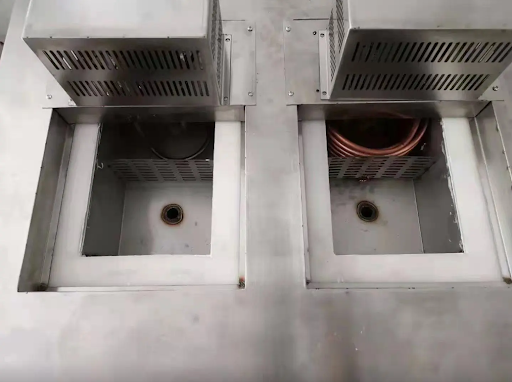
Low-temperature Charpy testing is often seen as a question of pendulum capacity or test standard. In reality, the specimen must reach the target temperature, stay stable, and be struck before it warms during handling. If that process is off, the result may look precise but not reflect the true test condition.
- Why Specimen Conditioning Matters In Low-Temperature Charpy
- What The Main Standards Actually Cover
- What A Conditioning Bath Does Well
- What A Conditioning Chamber Does Well
- Baths Vs Chambers: The Trade-Offs Labs Actually Face
- Metals Vs Plastics: Why The Answer May Differ
- Common Mistakes Labs Make
- A Practical Checklist For Choosing Baths Vs Chambers
- When A Hybrid Approach Makes Sense
- Frequently Asked Questions
That is why the choice between a conditioning chamber and a bath matters. A bath can cool specimens across a wide temperature range, while a chamber can reduce transfer time and handling variation. In practice, the choice involves different ways of controlling temperature, transfer, and repeatability before impact.
Why Specimen Conditioning Matters In Low-Temperature Charpy
Low-temperature Charpy testing is sensitive because many materials become brittle over a fairly narrow temperature range. In that zone, even a small temperature change can shift the result and affect how a lab reads transition behavior.
That is why specimen conditioning matters so much. The bar has to reach the target temperature, stay stable, and then be struck before it warms during transfer. In metallic testing, the time between removal from the conditioning medium and impact is typically kept very short, because even brief handling delays can affect the specimen temperature at the moment of impact. If that step is not controlled well, the result may no longer reflect the intended test condition.
Actual specimen temperature at impact matters more than chamber or bath setpoint alone. A system may be set correctly, but the specimen, notch area, or even the supports may still be warmer or colder than expected. In practice, low-temperature Charpy depends heavily on controlling the specimen’s real temperature right up to the moment of impact, whether that is done with a bath or with a dedicated specimen conditioning chamber designed for Charpy and Izod preparation.
What The Main Standards Actually Cover
Low-temperature Charpy testing relies on more than one standard because the documents cover different parts of the job. Different standards cover different parts of the process, including the test method, machine verification, and instrumented data requirements.
Metals
For metals, ASTM E23 is one of the main method standards. It covers Charpy and Izod testing of metallic materials, including specimens, procedures, reporting, and machine requirements. ISO 148-1 is the main ISO method for metallic Charpy testing and focuses on the absorbed-energy result from V-notch and U-notch specimens. If the question is whether the pendulum machine itself is performing correctly, ISO 148-2 is the relevant verification standard. When a lab needs force-time data and more detail about fracture behavior, ISO 14556 applies instead of conventional Charpy alone.
Plastics
For plastics, ISO 179-1 is the main non-instrumented Charpy method. ISO 179-2 is used when instrumented data is needed. ASTM D6110 is the main ASTM standard for notched plastic Charpy specimens and places clear importance on specimen preparation, including the notch. Machine verification is covered separately by ISO 13802, which applies to pendulum impact testers used for plastics, Charpy, Izod, and tensile impact testing.



What A Conditioning Bath Does Well
A conditioning bath remains one of the most practical options for low-temperature Charpy work, especially when testing goes well below standard sub-zero ranges. In metallic testing, this matters because transition-temperature studies often require colder conditions than many integrated chambers are designed to handle. In practice, laboratories often use alcohol-based bath media for low-temperature conditioning and then move to cryogenic assistance or other specialized cooling approaches when lower temperatures are required.
That helps explain why baths are still common in metallic Charpy testing. They cool the specimen through direct contact with the medium, which can make temperature control more effective at lower ranges. Labs may use alcohol baths for moderate, low-temperature work, then move to LN2-assisted setups or insulated cooling methods for colder testing.
A bath is often the better choice when the target temperature falls below the range of many chamber systems. It can also be added to an existing Charpy setup without requiring a fully enclosed test space. Its main strength is range and flexibility, though it still depends on fast, consistent transfer before impact.
What A Conditioning Chamber Does Well
A conditioning chamber is most useful when a lab wants to reduce the time between cooling and impact. Because low-temperature Charpy results can shift during handling, keeping the specimen close to the impact position helps limit temperature change before the hammer strikes. A chamber around the support area helps reduce part of the manual transfer step that comes with an external bath.
That can improve repeatability in routine testing. With the specimen and support area enclosed, there is less exposure to room air and fewer handling steps to repeat from one test to the next. This is especially helpful when labs need steady day-to-day results and must keep transfer time short.
Conditioning chambers also fit routine plastics work and moderate sub-zero testing well. They can simplify the workflow for repeated polymer tests and are often better suited to higher-throughput lab use. A bath may still make more sense at much lower temperatures, but a chamber is often the easier choice when the priority is faster, more controlled testing.
Baths Vs Chambers: The Trade-Offs Labs Actually Face
The choice usually comes down to temperature range, handling, and workflow. Baths and cryogenic setups are often used for very low temperatures, and integrated chambers are commonly used for moderate sub-zero testing.
Handling is another clear difference. A bath adds a transfer step, which can raise the risk of temperature change before impact. A chamber placed close to the supports can help limit that exposure time and can make routine handling more consistent.
Temperature control also works differently in each setup. In bath-based setups, the cooling medium and immersion time are important factors. In chamber-based setups, airflow, fixture temperature, and specimen size can also have a strong influence. In very cold or very small tests, supports and anvils may need cooling too.
Chambers are often used in repeated runs and everyday lab work. Baths also remain useful, especially when the test program extends to lower temperatures.
Metals Vs Plastics: Why The Answer May Differ
The bath-versus-chamber choice can vary between metals and plastics. In metals, low-temperature Charpy testing is often used to build transition curves and track the shift from tougher fracture to more brittle behavior. That usually means a wider temperature range, which is why baths and cryogenic setups are often the more practical option.
In plastics, the focus often includes limiting heat gain during handling, in addition to reaching the required temperature. Because polymer behavior can change quickly with temperature, close-coupled chambers often make routine low-temperature work easier and more consistent.
Plastics testing can also place more emphasis on transfer control and local temperature stability near the impact area. In routine low-temperature polymer work, shorter handling distance and tighter process control are often important parts of the setup. As a result, metals often involve broader low-temperature capability, and plastics work often involves setups that support faster and more consistent specimen handling near the impact point.
Common Mistakes Labs Make
One issue that can affect setup selection is focusing on machine type without giving enough weight to the temperature range the lab actually needs. That often leads to problems when testing goes colder than expected or when the program expands beyond routine checks.
Transfer time is another weak point. In metallic Charpy testing, the specimen should be struck as quickly and consistently as possible after removal from the conditioning medium. Labs also make mistakes when they assume the bath or chamber setpoint is the same as the specimen temperature at impact. In reality, tongs, supports, and fixture temperature can all affect the result.
A Practical Checklist For Choosing Baths Vs Chambers
Before choosing between a conditioning bath and a chamber, labs should confirm the following:
- Required temperature range: Does the work stay within moderate sub-zero conditions, or does it extend into very low or cryogenic testing?
- Material type: Will the lab mainly test metals, plastics, or both?
- Specimen size and geometry: Are the specimens full-size, sub-size, or mini, and how might that affect conditioning and handling?
- Daily workload: Will the system be used for occasional testing or repeated routine runs?
- Transfer control: Can the lab keep specimen handling fast and consistent between conditioning and impact?
- Data requirements: Is conventional Charpy data enough, or is instrumented Charpy also needed?
- Temperature verification: How will the lab confirm the actual specimen temperature at impact, rather than relying only on the chamber or bath setpoint?
- Fixture temperature: Will supports, anvils, or nearby components also need cooling to maintain test consistency?
- Applicable standards: Which method, verification, or reporting standards apply to the work?
When A Hybrid Approach Makes Sense
A hybrid setup often makes sense when one system cannot cover the full workload. An external bath is usually the better option for very low or cryogenic testing, especially in metallic Charpy work that goes beyond routine sub-zero ranges.
An integrated chamber is often the better fit for everyday moderate low-temperature testing. It reduces transfer distance and makes repeated runs easier to manage.
This split can also apply to data needs. Conventional Charpy is widely used for many jobs. In cases where fracture behavior needs closer analysis, an instrumented setup may also be appropriate.
Frequently Asked Questions
- Is A Conditioning Chamber Always Better Than A Bath?
No. A chamber can reduce transfer delay because the specimen stays closer to the impact point. That can make routine handling more consistent. A bath is often used when the test has to reach lower temperatures, especially in metallic Charpy work. The better choice depends on the temperature range, the number of tests the lab runs, and how tightly it needs to control handling from one specimen to the next. - What Is The Biggest Source Of Error In Low-Temperature Charpy?
One of the biggest risks is temperature change between conditioning and impact. A specimen may leave the bath or chamber at the correct setpoint, then start warming during transfer and positioning. In metallic testing, the transfer window is usually kept short, which is why handling discipline matters so much. A result can look clean on paper while still reflecting the wrong temperature at impact.
- Can I Use The Same Low-Temperature Setup For Metals And Plastics?
Sometimes, but not automatically. Metals and plastics are usually tested for different reasons, and they do not always need the same temperature range or workflow. Specimen geometry, standard requirements, and verification routes also differ. A setup that works well for routine plastics testing may not suit deeper low-temperature work on metals, and a cryogenic metal setup may be more than a plastics lab really needs.
- Do I Need Instrumented Charpy For This Topic?
Not always. Conventional Charpy is enough when the lab only needs absorbed energy under a defined condition. Instrumented Charpy becomes more useful when the goal is to look deeper into fracture behavior. In that case, force-based information can show more than a single final energy value. The choice depends on the type of work the lab is doing, including routine comparison work and studies of how fracture develops during impact.
- How Cold Can A Chamber System Usually Go?
That depends on the design. Some integrated chamber systems used in impact testing are built for moderate sub-zero work rather than very deep cryogenic ranges. In practice, chamber systems can be a strong fit for routine low-temperature testing, while baths and cryogenic setups often cover colder points. An important question is how well the chamber can hold the specimen close to the target temperature at impact, in addition to the temperature range it can reach.
- How Should Labs Verify Specimen Temperature?
A reliable approach is to verify the specimen itself rather than rely only on the chamber or bath display. This is often done with thermocouples on dummy specimens or through procedure checks carried out before routine testing begins. In colder or smaller-specimen work, supports, anvils, or fixture temperature may also need consideration. A stable setpoint does not automatically mean the specimen is at the right temperature when the hammer strikes.