Introduction
When it comes to hot water systems, homeowners often face the dilemma of choosing between an immersion heater and a gas boiler. Each option has its unique set of advantages and disadvantages, making the decision a complex one based on various factors such as energy efficiency, cost, and installation requirements. Understanding these systems will empower homeowners to make informed decisions that cater specifically to their needs.
Understanding Immersion Heaters
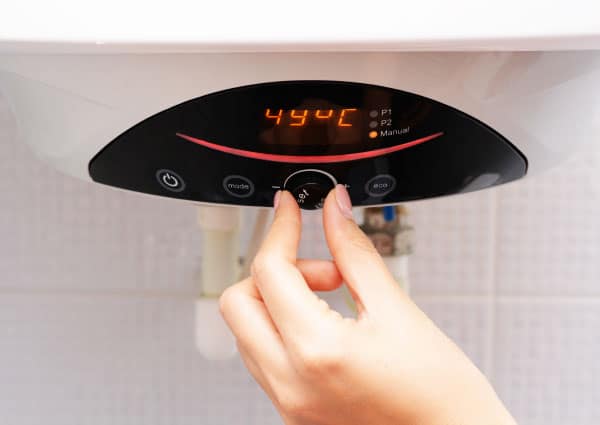
Immersion heaters are electric devices designed to heat water directly within a tank through a heating element immersed in the water.
How Immersion Heaters Work
Immersion heaters operate by converting electrical energy into heat through resistance heating. When electricity passes through the heating element, it generates heat that warms the water surrounding it within a storage tank.
Advantages of Immersion Heaters
- Simplicity: Immersion heaters are easy to install and require minimal infrastructure changes.
- Control: They provide excellent control over hot water availability, as users can choose when to heat water.
- Space-Saving: These heaters typically take up less space compared to gas boilers.
Disadvantages of Immersion Heaters
- Higher Running Costs: Electricity tends to be more expensive than gas, leading to higher operational costs.
- Dependence on Electricity: In the event of a power outage, hot water availability can be severely compromised.
Understanding Gas Boilers
Gas boilers are traditional systems that use natural gas or propane to heat water for home use.
How Gas Boilers Work
Gas boilers burn gas in a combustion chamber, generating hot gases that pass through heat exchangers, heating the water circulating in a closed system.
Advantages of Gas Boilers
- Cost-Effectiveness: Natural gas is often cheaper than electricity, making gas boilers more economical in terms of running costs.
- Efficiency: Many modern gas boilers boast high efficiency ratings, converting a significant portion of energy into usable heat.
- Rapid Heating: Gas boilers can heat large amounts of water quickly, which is beneficial for households with high demand.
Disadvantages of Gas Boilers
- Installation Complexity: Installing a gas boiler may require more extensive plumbing and ventilation work.
- Emissions: Burning gas produces carbon emissions, contributing to environmental concerns.
Energy Efficiency Comparison
When comparing immersion heaters and gas boilers, energy efficiency plays a crucial role in long-term cost savings.
Immersion Heaters: Generally have lower energy efficiency ratings because they often run on off-peak electricity tariffs, but this can vary based on usage patterns.
Gas Boilers: Many modern models achieve efficiencies above ninety percent, ensuring that minimal energy is wasted during operation.



Choosing an energy-efficient model in either category can significantly impact your utility bills over time.
Cost Considerations
Initial costs and running expenses significantly influence the choice between an immersion heater and a gas boiler.
- Installation Costs:
Immersion heaters usually have lower installation costs due to their simplicity.
Gas boilers may require more extensive installation work, leading to higher upfront costs.
- Running Costs:
The average electricity cost is higher than natural gas prices, making immersion heaters generally more expensive to operate.
However, specific usage patterns can influence these costs; for example, using an immersion heater during off-peak hours can reduce expenses.
Environmental Impact
The environmental aspect is increasingly becoming a priority for consumers when selecting heating systems.
Immersion Heaters: If powered by renewable energy sources like solar or wind power, immersion heaters can be quite environmentally friendly.
Gas Boilers: While they produce greenhouse gases due to combustion processes, advancements in technology are leading to the development of low-emission systems that minimize environmental impact.
When considering environmental impact, it’s essential to evaluate not only the type of system but also how electricity or gas is sourced in your area.
Installation and Maintenance Needs
Both systems come with their own installation and maintenance requirements that homeowners should consider before making a decision.
Installation Requirements
Immersion Heaters: Typically require less installation time since they only need basic plumbing adjustments if any at all.
Gas Boilers: Require professional installation due to safety regulations governing gas appliances and may need additional permits depending on local laws.
Maintenance Considerations
Immersion Heaters: Generally require minimal maintenance; however, regular checks should be performed on electrical components.
Gas Boilers: Require annual servicing by qualified professionals to ensure safe operation and compliance with safety standards.
Regular maintenance not only prolongs the lifespan of the equipment but also ensures that it operates efficiently throughout its lifetime.
Choosing the Right Option for Your Home
Ultimately, choosing between an immersion heater and a gas boiler depends on several key factors:
- Household Size: Larger households may benefit from the rapid heating capabilities of gas boilers.
- Energy Source Availability: Consider whether you have access to natural gas or if electricity is your primary utility.
- Budget Constraints: Factor in both initial installation costs and ongoing operational expenses when making your decision.
- Environmental Concerns: Evaluate your preferences regarding eco-friendly solutions and how either option aligns with your values.
Consulting with professionals like Plumbing Force can provide valuable insights tailored specifically to your home’s requirements, ensuring you make the most informed decision possible.
Industry Insights and Recommendations
As technology continues to advance, both immersion heaters and gas boilers are evolving to meet consumer demands for efficiency and sustainability:
Emerging hybrid systems combine both technologies for maximum flexibility in hot water production while enhancing energy efficiency.
Smart technology integration allows homeowners to monitor usage patterns and optimize heating schedules based on personal habits.
In summary, understanding the nuances between immersion heaters and gas boilers will empower homeowners to choose the right system tailored for their specific needs while maximizing efficiency and minimizing costs. Engaging with industry experts like Plumbing Force can further enhance your decision-making process by providing personalized recommendations based on your unique situation.
By weighing all these factors carefully, you will position yourself well in making an informed choice that meets both your immediate hot water needs and long-term goals for efficiency and sustainability in your home environment.