Transcranial magnetic stimulation (TMS) therapy offers hope for individuals with depression who haven’t found relief through traditional treatments. For those considering this FDA-approved option, understanding the expected timeline for improvement is essential for setting realistic expectations and maintaining commitment throughout the treatment process.
Most patients begin noticing improvements within two to four weeks of starting TMS treatment, with more significant symptom relief typically occurring by four to six weeks of consistent therapy. The exact timeline varies from person to person, as individual factors influence how quickly the brain responds to the magnetic stimulation.
This article examines the typical timeframe for TMS therapy to produce results and explores the key factors that can affect how quickly patients experience relief from their symptoms. Understanding what to expect during treatment helps patients and their families approach TMS with appropriate expectations and patience.
How Long Does TMS Therapy Take to Work?
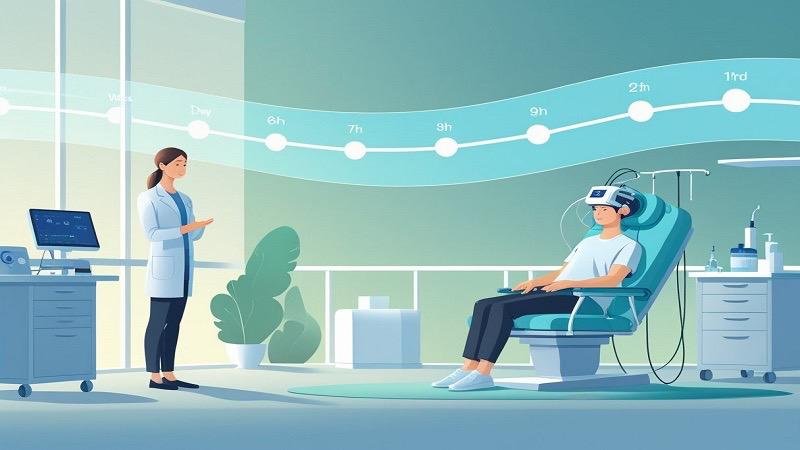
Most patients begin noticing improvements from TMS therapy within 2-4 weeks of starting treatment, with more significant symptom relief typically occurring by weeks 4-6. The timeline varies based on individual factors, treatment protocols, and the severity of symptoms being addressed.
Typical TMS Therapy Timeline
A standard TMS treatment course consists of 36 sessions delivered over 6-9 weeks. Patients attend sessions five days per week, with each session lasting 20-40 minutes depending on the specific protocol used.
The treatment follows a structured progression. During the first two weeks, the brain begins responding to magnetic stimulation as neural pathways start to reorganize. Weeks 3-4 mark when many patients report initial symptom improvements, though some individuals may need longer to experience noticeable changes.



The full therapeutic effect typically manifests between weeks 4-6. By this point, most patients who will respond to TMS therapy demonstrate measurable improvements in mood, cognitive function, or other targeted symptoms.
Week-by-Week Improvement Expectations
Weeks 1-2: Patients generally do not notice significant changes during this initial period. The brain is adjusting to the magnetic stimulation, and neuroplastic changes are beginning at a cellular level. Some individuals report improved sleep quality or slight energy increases.
Weeks 3-4: This period marks when initial benefits often become apparent. Patients may notice reduced symptoms, improved motivation, or better emotional regulation. The changes can be subtle at first and may fluctuate day to day.
Weeks 4-6: Symptom relief becomes more pronounced and consistent. Patients typically experience noticeable improvements in their primary symptoms, whether depression, anxiety, or other conditions. Response rates during this window indicate whether the treatment is effective for a particular individual.
Beyond Week 6: Benefits continue stabilizing and often strengthen further. Some patients require the full treatment course to achieve optimal results.
Signs TMS Therapy Is Working
Patients and clinicians monitor several indicators that suggest TMS therapy is producing therapeutic effects:
- Improved mood stability and fewer mood fluctuations throughout the day
- Increased energy levels and reduced fatigue
- Better concentration and mental clarity
- Enhanced interest in activities previously enjoyed
- Improved sleep patterns and quality
- Reduced anxiety or intrusive thoughts
- Better ability to handle stress and daily challenges
Family members or close friends often notice behavioral changes before the patient recognizes them. These external observations can include increased social engagement, improved facial expressions, or more initiative in daily activities.
Standardized depression and anxiety scales administered weekly help track objective progress. A reduction of 50% or more in symptom severity indicates a positive response to treatment.
Long-Term and Maintenance Results
TMS benefits typically last 12-18 months following a successful treatment course. Some patients experience sustained relief for several years, while others may notice symptoms gradually returning after the initial durability period.
Maintenance TMS involves periodic sessions to preserve therapeutic gains. Patients who respond well to the initial treatment course may schedule maintenance sessions monthly, quarterly, or as needed based on symptom monitoring. These sessions help prevent relapse and extend the duration of benefits.
Research shows that 50-60% of patients who achieve remission maintain their improvement for at least one year without additional treatment. When symptoms begin reemerging, a shorter course of TMS sessions often restores the therapeutic effect more quickly than the original treatment required.
The decision to pursue maintenance TMS depends on individual response patterns, symptom severity, and personal treatment goals. Many patients use maintenance sessions as part of a comprehensive mental health management strategy.
Key Factors That Influence TMS Response Time
The timeline for TMS therapy results depends on several interconnected variables, from individual neurological differences to the specific treatment approach used. Treatment protocols, condition severity, and whether TMS is combined with other therapies all play measurable roles in determining how quickly patients experience symptom relief.
Individual Brain Chemistry and Genetics
Each person’s neurological makeup affects how quickly they respond to repetitive transcranial magnetic stimulation (rTMS). Brain chemistry variations influence how neurons react to magnetic pulses targeting the dorsolateral prefrontal cortex and other brain regions.
Genetic factors determine baseline neurotransmitter levels and receptor sensitivity. Patients with specific genetic profiles may show faster improvements in major depressive disorder symptoms than others.
Prior treatment history matters significantly. Individuals who have lived with symptoms for extended periods typically require more sessions before noticing changes. Their neural pathways have become more deeply established, requiring sustained magnetic stimulation to create new patterns.
Age and overall brain health contribute to response speed. Younger patients often show quicker neuroplastic changes, though TMS remains effective across age groups. Concurrent medical conditions affecting brain function can extend the timeline for noticeable results.
Severity and Type of Condition Treated
The intensity of symptoms directly correlates with treatment duration. Patients with treatment-resistant depression (TRD) who have not responded to multiple medication trials generally need longer to experience relief than those with less severe presentations.
TMS protocols vary based on diagnosis. Major depressive disorder typically requires 20-36 sessions over 4-6 weeks using standard protocols. More severe cases of TRD may benefit from deep TMS or extended treatment courses.
The specific condition being treated influences outcomes. While TMS primarily treats depression, it also shows promise for anxiety disorders and OCD. Each condition responds at different rates, with depression symptoms often improving within 2-4 weeks of consistent treatment.
Previous treatment failures don’t predict TMS response. Many patients with TRD who haven’t benefited from medications or vagus nerve stimulation still achieve positive results with repetitive TMS.
TMS Protocols and Session Frequency
Standard rTMS involves 5 sessions per week for 4-6 weeks. This spacing allows cumulative effects to build while giving the brain time to consolidate changes between treatments.
Accelerated TMS protocols deliver multiple sessions daily, condensing treatment into 1-2 weeks. Studies show comparable efficacy with faster symptom improvement for some patients. However, accelerated approaches require careful monitoring and may cause more immediate side effects.
Newer techniques like intermittent theta burst stimulation (iTBS) offer shorter session times—around 3 minutes versus 20-40 minutes for traditional protocols. Theta burst stimulation can produce results in similar timeframes while requiring less chair time per appointment.
Treatment intensity matters beyond frequency. Personalized TMS adjusts magnetic field strength and targeting based on individual brain mapping. This customization can accelerate response times by optimizing stimulation parameters for each patient’s neuroanatomy.
Combination With Other Treatments
TMS works effectively as a standalone treatment but often produces faster results when combined strategically with other interventions. Ongoing psychotherapy helps patients process emotional changes and develop coping skills as brain chemistry shifts.
Medication management during TMS requires careful coordination. Some patients continue antidepressants during treatment, while others taper under medical supervision. A TMS consultation typically reviews current medications to optimize the treatment plan.
Lifestyle factors significantly impact response speed. Regular sleep schedules, exercise, and nutrition support the neuroplastic changes TMS initiates. Patients who maintain these habits alongside treatment typically report earlier improvements.
Maintenance sessions extend initial benefits. After completing the primary treatment course, some patients schedule periodic booster sessions—monthly or quarterly—to sustain symptom relief. This approach proves particularly valuable for individuals with chronic or recurrent conditions.