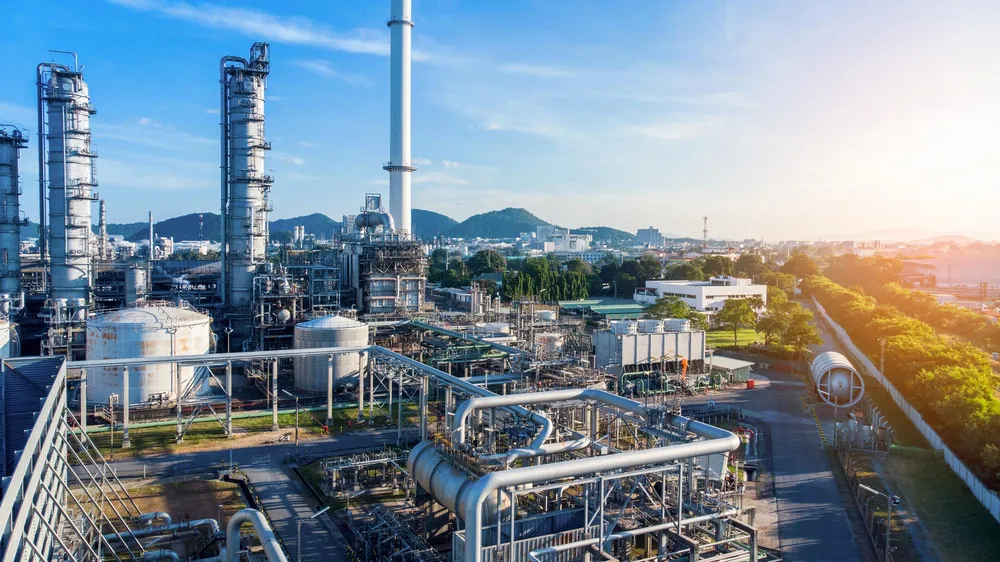
EPC manufacturing integrates engineering, procurement, and construction into a single, streamlined delivery model that enhances efficiency, minimizes risk, and improves cost control for complex industrial and infrastructure projects. As global investors and contractors demand predictable timelines and consistent quality, this approach has become a preferred method worldwide. The article outlines the fundamentals of EPC manufacturing and highlights how THACO INDUSTRIES delivers end-to-end, reliable solutions for international partners.
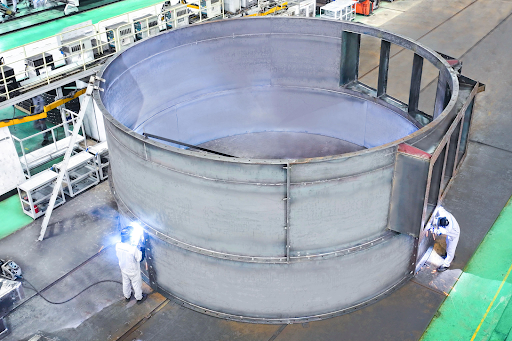
Efficient EPC manufacturing for reliable industrial performance
1. EPC Manufacturing and Its Role in Modern Industrial Projects
At its core, EPC manufacturing consolidates the entire project lifecycle – from engineering design to procurement logistics and on-site construction – into a single, accountable structure. This turnkey approach ensures seamless coordination, providing business clients with full visibility and control from concept to commissioning.
The benefits are obvious in industries where fragmented workflows traditionally create gaps in responsibility. Under separate engineering, procurement, and construction contracts, delays and cost escalations often occur due to misaligned timelines, unclear accountability, or communication gaps.
An EPC manufacturing company eliminates these issues by managing all technical, commercial, and execution aspects within one unified framework. The result is a streamlined process that reduces unnecessary hand-offs and ensures consistent decision-making across project phases.
Key advantages include:
1.1. Risk Reduction
Centralizing responsibility helps avoid the disconnects typically found when working with multiple contractors. With a single entity accountable for performance, risks are easier to anticipate, control, and mitigate.
1.2. Cost Optimization
By applying value-engineering principles and leveraging supply-chain scale, EPC manufacturing companies can control material costs while maintaining required quality standards. Tight coordination among design, procurement, and construction teams also reduces rework and enhances material efficiency.



1.3. Better Scheduling
Parallel execution of engineering and procurement activities compresses project timelines. As a result, construction teams receive accurate and coordinated technical documentation, supporting smooth field implementation and predictable commissioning schedules.
Due to these advantages, EPC manufacturing has become common across sectors requiring strict coordination – such as power generation, industrial processing, and transportation infrastructure developments.
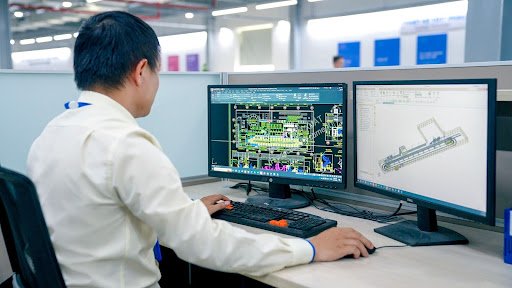
The role of EPC manufacturing in industrial projects
2. Industrial Applications of EPC Manufacturing
The versatility of EPC manufacturing makes it applicable across different industrial sectors, each with its own technical standards and regulatory challenges.
2.1. Energy & Power Generation
EPC manufacturing supports the construction of renewable and conventional power facilities, where large-scale integration of mechanical, electrical, and civil engineering systems is required. Examples include:
- Solar farms with grid-connected inverters, underground cabling, and long-life structural mounting systems
- Wind installations requiring foundations designed for dynamic loads and power collection networks
- Biomass plants incorporating automated fuel systems and combustion control
- Thermal and hydroelectric assets with turbines, cooling systems, and emissions control equipment
These projects often operate under tight environmental standards, making coordinated EPC delivery essential.
2.2. Industrial & Manufacturing Facilities
Processing plants, heavy industrial sites, and food production facilities benefit from automation integration, regulatory compliance, and tailored engineering. EPC manufacturing companies design and build facilities that support:
- Advanced material handling systems
- Process control instrumentation
- High-capacity electrical infrastructure
- Sanitary and temperature-controlled environments for food operations
- Fire protection, ventilation, and wastewater systems
2.3. Infrastructure Development
Ports, transportation hubs, and urban infrastructure projects rely on EPC manufacturing to unify civil works, utilities installation, and specialized system integration. Examples include:
- Bridges requiring foundational engineering and sequential construction expertise
- Port terminals with container handling systems and structural pavements
- Smart city projects combining communication systems, traffic control, and environmental monitoring
- Public transit facilities with ticketing, security, and passenger service systems
3. THACO INDUSTRIES’ EPC Manufacturing Capabilities
THACO INDUSTRIES provides a full-scope EPC manufacturing model covering engineering, procurement, construction, and commissioning. With modern production complexes, automated machinery, and experienced technical teams, the corporation delivers projects aligned with international standards, highlighting its status as ISO 14001, ISO 9001 certified manufacturer, and relevant IEC codes.
Its integrated capabilities allow clients to benefit from consistent quality, reliable delivery schedules, and optimized project economics across all phases.
3.1. Engineering & Project Design
THACO INDUSTRIES’ engineering teams specialize in developing complex technical designs that comply with global engineering regulations and industry codes. Using advanced simulation tools, they refine structural integrity, operational efficiency, and feasibility across a wide range of industrial, energy, and infrastructure projects.
3.2. Strategic Procurement & Supply Chain
With a well-established global supply network, the corporation ensures consistent sourcing of raw materials, specialized equipment, and critical components. Every procured item is thoroughly inspected and verified to meet project requirements and to maintain full traceability throughout the supply chain. This approach supports timely delivery, cost control, and stringent quality assurance.
3.3. Construction & Onsite Implementation
THACO INDUSTRIES deploys qualified site engineers, supervisors, and project managers to coordinate and execute large-scale installations. Safety compliance, adherence to timelines, and precise workmanship are core priorities. All construction activities follow the detailed engineering designs to minimize risks and ensure project consistency.
3.4. Commissioning & Quality Assurance
Before final handover, projects undergo a comprehensive commissioning process including system testing, trial runs, and performance verification. These steps confirm that all operational, technical, and regulatory requirements are met, supporting long-term reliability and stable facility performance.
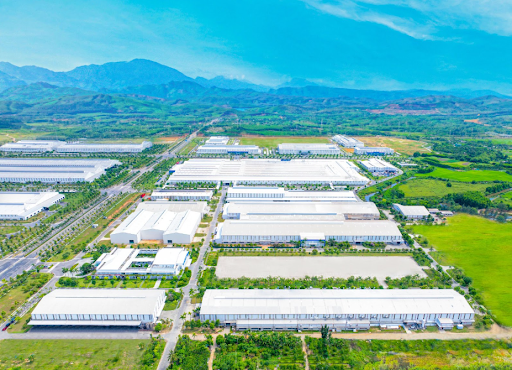
THACO INDUSTRIES: A trusted EPC manufacturing partner
THACO INDUSTRIES provides end-to-end EPC manufacturing solutions, combining engineering expertise, coordinated execution, and advanced production technologies to support industrial and infrastructure projects worldwide. Its integrated systems give clients real-time visibility into project costs, schedules, and quality performance – enabling data-driven decisions throughout the project lifecycle.
Beyond project completion, the corporation focuses on long-term asset stability, offering support from early planning through operational handover. The goal is to deliver projects that meet expectations for safety, operational reliability, and environmental compliance while optimizing capital investments.
THACO INDUSTRIES is ready to collaborate with global partners requiring comprehensive, integrated EPC manufacturing solutions delivered on schedule and within budget.
🌐 Website: https://thacoindustries.com/en/
📞 Contact: (+84) 348 620 063
📧 Email: partsales@thaco.com.vn