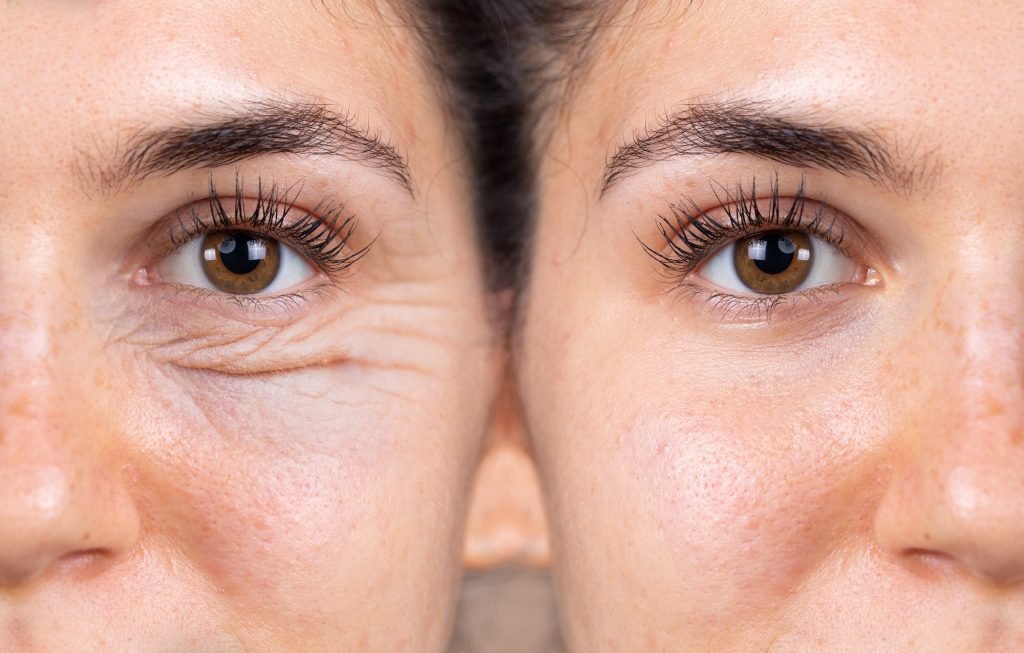
Medicare may cover eyelid surgery, but only when the procedure is medically necessary. Many patients ask if medicare covers eyelid surgery when drooping eyelids begin to block their vision or cause eye strain.
- Key Takeaways
- When Eyelid Surgery Is Medically Necessary
- Medical Documentation Required for Approval
- Procedures Medicare Usually Does Not Cover
- Tests Used to Confirm Vision Problems
- How Much Medicare May Pay for Surgery
- Who May Qualify for Medicare Benefits
- Cosmetic vs Functional Eyelid Surgery
- How Doctors Evaluate Candidates for Surgery
In these cases, doctors may recommend surgery to remove excess skin from the upper lids and restore normal sight.
Medicare reviews medical records, test results, and photographs to confirm that the condition meets its medical guidelines. If the procedure is done only to improve appearance, Medicare usually does not cover it.
Key Takeaways
- Medicare may cover eyelid surgery when drooping eyelids block vision or cause other functional problems, and a doctor proves the procedure is medically necessary.
- Doctors must submit medical records, color photographs, and visual field test results to show that excess skin on the upper lids affects the patient’s vision.
- Cosmetic eyelid surgery performed only to improve appearance is not covered, because Original Medicare does not pay for cosmetic surgeries.
- Even when Medicare approves the procedure, patients may still pay deductibles, coinsurance, and other out of pocket costs depending on the surgical setting and services used.
Does Medicare Cover Eyelid Surgery? Coverage and Costs
To understand whether medicare covers eyelid surgery, it helps to know how Medicare decides which procedures it pays for. Eyelid surgery, also called blepharoplasty, can help when drooping skin affects vision or eye comfort. In these cases, doctors may recommend surgery to improve function.
Many people also choose eyelid procedures for appearance. When the surgery is done only to improve how the eyes look, it is called cosmetic eyelid surgery. Medicare usually does not provide insurance coverage for cosmetic surgeries.
When Eyelid Surgery Is Medically Necessary
Doctors may suggest surgery when sagging skin blocks vision. Extra skin on the eyelids can make it hard to see clearly, read, or drive.
Medicare reviews each case to confirm medical necessity. The doctor must show that surgery treats a real health problem.
Common medical reasons include:


- Skin from the upper lids blocking part of the visual field
- Ongoing irritation from excess skin touching the eye
- Trouble keeping the eyes open because the lids feel heavy
- Skin folds that interfere with glasses or vision
When these problems appear in medical records, doctors may recommend upper blepharoplasty to correct them.
Medical Documentation Required for Approval
To receive medicare eyelid surgery coverage, doctors must submit proof that the surgery is needed for health reasons. Medicare reviews these records before approving the claim.
Typical documentation may include:
- Results from a visual field test showing limited vision
- Color photographs showing drooping eyelids
- Physician notes explaining symptoms
- Detailed medical records describing the condition
These documents help show that the patient may qualify for coverage. Without them, Medicare may treat the procedure as cosmetic.
Doctors must also follow the guidelines from the Centers for Medicare Medicaid Services CMS. These rules help ensure that approved procedures meet medical standards.
Procedures Medicare Usually Does Not Cover
Many eyelid procedures focus only on improving appearance. These are considered cosmetic procedures and usually are not covered.
Examples include:
- Removing wrinkles around the eyes
- Tightening skin to look younger
- Changing eyelid shape for aesthetic reasons
- Procedures done only for facial balance
Because these procedures fall under cosmetic surgeries, original medicare does not cover cosmetic treatments.
This is why many people researching does medicare cover blepharoplasty learn that approval depends on the medical reason for surgery.
Tests Used to Confirm Vision Problems
Doctors must confirm that drooping eyelids affect vision before surgery can be approved. The most common test is the visual field exam.
During this test, a patient looks straight ahead while lights appear around their side vision. If the eyelids block the upper field of view, the test may show vision loss.
Doctors may use several tests, such as:
- Peripheral vision testing with special equipment
- Photos showing eyelid position
- Measurements of eyelid height
- Evaluation of eyelid muscle strength
If these tests confirm vision problems, patients may qualify for eyelid surgery.
How Much Medicare May Pay for Surgery
Many patients want to know how much medicare pays for eyelid surgery. The amount depends on the location of the surgery and the services involved.
Under original medicare, the procedure may be billed as outpatient surgery. Medicare often pays a portion of the approved cost after deductibles are met.
Typical costs may include:
- Surgeon fees
- Surgical center or hospital charges
- Anesthesia services
- Follow up care
Patients still pay coinsurance and deductibles. Even when medicare may cover the procedure, some personal costs may remain.
Who May Qualify for Medicare Benefits
Eligibility for Medicare depends on age, disability status, or certain medical conditions.
People who may qualify include:
- Adults age 65 or older
- Individuals with qualifying disabilities
- Patients with specific health conditions
Some people may also qualify after receiving 24 months of social security disability insurance benefits.
Even after enrollment, a patient must still meet medical rules to qualify for coverage for eyelid surgery.
Cosmetic vs Functional Eyelid Surgery
Understanding the difference between cosmetic and functional surgery helps explain whether medicare pays for blepharoplasty in some situations.
Functional surgery treats a medical condition. Cosmetic surgery focuses only on appearance.
Functional eyelid surgery
- Improves vision when eyelids block sight
- Requires medical tests and documentation
- May be covered under medicare eyelid surgery coverage
Cosmetic eyelid surgery
- Improves appearance only
- Does not require medical testing
- Patients pay the full cost
Because of this difference, people asking if medicare pay for blepharoplasty should first confirm whether their eyelid problem affects vision.
How Doctors Evaluate Candidates for Surgery
Doctors perform a full eye exam before recommending surgery. They check eyelid position, vision, and how the skin affects daily tasks.
The doctor also reviews medical history and test results to see if the procedure meets Medicare rules.
Patients considering procedures such as eyelid surgery in Boca Raton with Dr. Kopelman go through the same evaluation process used across the country. Surgeons must confirm medical necessity before submitting a claim.
Doctors usually review:
- Vision test results
- Symptoms affecting reading or driving
- Eyelid muscle strength
- Clinical photographs
These steps help determine whether surgery is medical treatment or cosmetic care.