Working at height always brings risk, cost, and planning challenges. The lift you choose can make the job smooth and safe, or slow and stressful. Many delays on sites happen simply because the wrong equipment was booked. That is why it helps to understand what each type of lift can really do before making a decision.
- Why Choosing the Right Lift Matters
- Understand the Different Types of Access Lifts
- Match the Lift to Your Site Conditions
- Choosing the Right Lift Height and Reach
- Load Capacity and Platform Size Considerations
- When a Scissor Lift Rental Is the Best Choice
- Safety and Compliance Factors to Check
- Final Tips for Choosing the Right Lift
This guide explains how to match the right lift to your site, your height needs, and whether you are working indoors or outdoors. By the end, you will know what to check before hiring equipment and how to avoid common mistakes.
Why Choosing the Right Lift Matters
Using the wrong lift can affect safety first of all. If the platform is too small, unstable, or unable to reach the area safely, workers may try risky shortcuts. This increases the chance of falls or equipment damage.
Productivity is another big factor. A lift that moves slowly, cannot reach the right angle, or needs constant repositioning wastes hours. Over a full project, this can add serious labour costs.
There is also the issue of budget. Hiring a lift that is too large costs more than needed. Hiring one that is too small often means rebooking another machine, which doubles delivery costs.
Understand the Different Types of Access Lifts
Scissor Lifts
Scissor lifts move straight up and down. They provide a wide, stable platform that can hold more than one worker plus tools. Because of this, they are one of the most common choices for maintenance, installation, and indoor construction work.
Electric scissor lifts are popular indoors because they are quiet and produce no fumes. Rough-terrain models are built for outdoor sites and uneven ground.
For many jobs, using a reliable Scissor lift rental service is the easiest way to get the right size machine without committing to buying one. This works well for short projects, shutdown maintenance, or seasonal work.


Boom Lifts
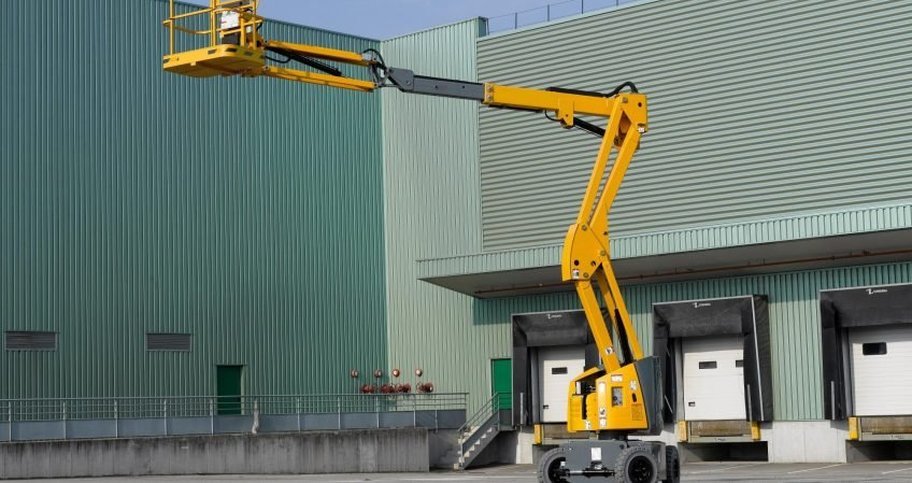
Boom lifts are better when you need reach as well as height. Instead of moving straight up, they extend outward.
Articulating boom lifts bend in sections, which helps workers reach over obstacles like machinery or steel frames. Telescopic boom lifts extend in a straight line and are often used on large construction sites.
Other Access Equipment to Consider
Vertical mast lifts are compact and good for tight indoor spaces. Personnel lifts are smaller still and suited for quick inspection jobs. If the work area is narrow and the height is moderate, these smaller machines may be enough.
Match the Lift to Your Site Conditions
Indoor Work Environments
Indoor projects need lifts that protect the building and fit within tight spaces. Electric models are usually best because they are quiet and do not release exhaust fumes.
Non-marking tyres are important in places like warehouses, hospitals, or shopping centres. Floor load limits also matter. Some buildings cannot support very heavy machines, so checking weight specs in advance is smart.
If aisles are narrow, always measure turning space and machine width before booking.
Outdoor and Construction Sites
Outdoor work brings different challenges. Rough ground, slopes, and wind exposure all affect lift stability.
Diesel-powered machines are often preferred outside because they have more power and higher ground clearance. Larger platforms may also be needed if multiple workers are installing steel, cladding, or signage.
Weather should also be considered. Some lifts have wind limits that stop them being used safely above certain heights.
Choosing the Right Lift Height and Reach
Platform Height vs Working Height
Many people confuse platform height with working height. Platform height is how high the floor of the lift goes. Working height usually adds about two metres to allow for the person standing on it.
If a ceiling is 10 metres high, a lift with an 8 metre platform height is normally enough. Booking the correct size prevents overspending on larger machines.
Access Obstacles and Restricted Areas
Look at the path the lift must travel, not just the final height. Doorways, pipework, storage racks, and narrow corridors can block access.
Machine width, turning radius, and extension decks all affect whether the lift can reach the right spot. Planning this early prevents last-minute site problems.
Load Capacity and Platform Size Considerations
Each lift has a maximum load rating. This includes workers, tools, and materials combined.
If the job involves heavy equipment like glass panels, cable drums, or large signage, platform capacity becomes very important. Overloading a lift is dangerous and can stop the machine from operating properly.
A wider platform may also reduce the number of times workers need to reposition the lift, saving time across the project.
When a Scissor Lift Rental Is the Best Choice
Ideal Jobs for Scissor Lifts
Scissor lifts are perfect for tasks that require straight vertical access. These include electrical installation, ceiling repairs, duct work, painting, lighting upgrades, and signage fitting.
They are also useful in warehouses for stock maintenance or building inspections. Because the platform is stable, workers can safely handle tools and materials at height.
Benefits of Renting Instead of Buying
Renting makes sense when lifts are not needed year-round. It avoids storage costs, maintenance, and inspection requirements.
Rental also gives access to newer machines with updated safety features. If one project needs a small indoor lift and another needs a rough-terrain model, hiring allows you to switch easily without long-term commitment.
For many companies, this flexibility alone makes rental the smarter option.
Safety and Compliance Factors to Check
Before using any lift, operator training should always be confirmed. Many regions require certification for powered access equipment.
A basic site risk assessment helps identify ground hazards, overhead obstacles, and weather risks. Guardrails, emergency lowering systems, and tilt alarms should all be checked before use.
Personal safety gear may also be required depending on local workplace rules. Even when not legally required, proper training and supervision reduce accidents.
Final Tips for Choosing the Right Lift
Start by writing down your exact height requirement, surface conditions, and space limits. Measure access points like doors and aisles before contacting a hire company.
Explain the job clearly to the supplier so they can suggest the best machine. It is often worth asking about delivery timing, setup support, and pickup scheduling too.
Choosing the right lift is not just about reaching height. It is about safety, efficiency, and making sure the work gets done without delays. With the right planning, the correct lift can save both time and money while keeping workers protected.