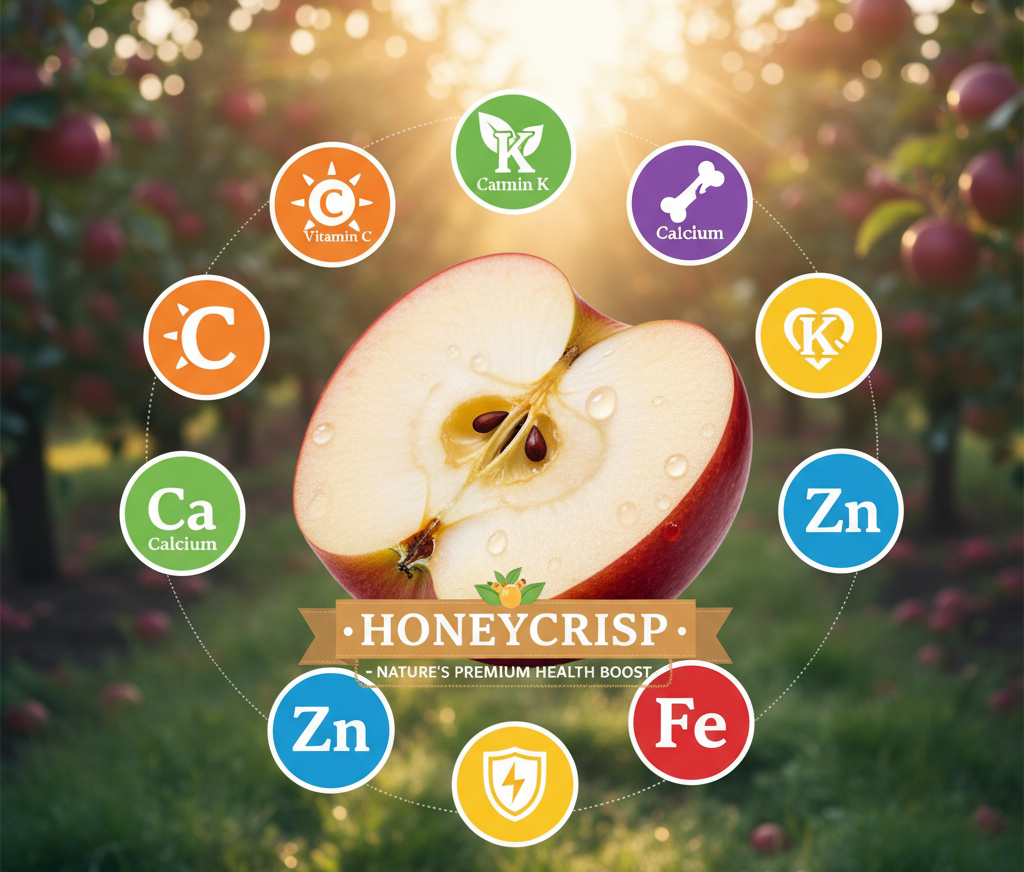
Bite into a Apple Honeycrisp Nutrition and you’ll immediately understand why this relatively new variety has become one of the most sought-after fruits in grocery stores across America. That distinctive crunch, the perfect balance of sweetness and tartness, and the explosion of juice with each bite have made the Honeycrisp a premium favorite since its commercial introduction in the 1990s.
- Nutritional Profile: What’s Inside a Honeycrisp Apple
- The Fiber Factor: Crunch That Benefits Your Gut
- Antioxidants and Phytonutrients: Disease-Fighting Compounds
- Heart Health Benefits: Supporting Your Cardiovascular System
- How Honeycrisp Compares to Other Apple Varieties
- Culinary Versatility: Healthy Ways to Enjoy Honeycrisps
- Selecting the Best Honeycrisps for Peak Nutrition
- A Nutritional Powerhouse for Every Age
But beyond its exceptional taste and texture, the Honeycrisp apple offers impressive nutritional benefits that make it more than just a delicious snack. From its fiber content to its antioxidant profile, this apple variety deserves recognition as a nutritional powerhouse.
Whether you’re looking to improve your diet, manage your weight, or simply understand what makes this crisp fruit so special, this guide will walk you through everything you need to know about Honeycrisp apple nutrition.
Nutritional Profile: What’s Inside a Honeycrisp Apple
A medium-sized Honeycrisp apple (about 182 grams) contains approximately:
- Calories: 95
- Carbohydrates: 25 grams
- Dietary Fiber: 4 grams
- Sugars: 19 grams (naturally occurring)
- Protein: 0.5 grams
- Fat: 0.3 grams
- Vitamin C: 14% of the Daily Value (DV)
- Potassium: 6% of the DV
- Vitamin K: 5% of the DV
These numbers reveal what makes apples such an attractive addition to any diet: they’re naturally low in calories while providing essential nutrients. The carbohydrates come primarily from natural sugars and fiber, which work together to provide sustained energy without the crash associated with processed sweets.
Honeycrisp apples also contain small amounts of B vitamins, including B6 and riboflavin, along with trace minerals like copper and manganese. While these amounts may seem modest, regular apple consumption contributes meaningfully to overall nutrient intake.
The Fiber Factor: Crunch That Benefits Your Gut
That satisfying crunch you experience with each Honeycrisp bite comes from the apple’s cellular structure, but the benefits extend far beyond texture. With 4 grams of dietary fiber per medium apple, Honeycrisps provide about 16% of the recommended daily fiber intake.
This fiber comes in two forms: soluble and insoluble. Soluble fiber dissolves in water and forms a gel-like substance in your digestive tract, which helps slow digestion and keeps you feeling fuller longer. This type of fiber has been shown to help regulate blood sugar levels and reduce cholesterol absorption.


Insoluble fiber, found primarily in the apple’s skin, adds bulk to your stool and helps food move through your digestive system more efficiently. This promotes regular bowel movements and supports overall digestive health.
The combination of both fiber types makes Honeycrisp apples an excellent choice for weight management. The fiber content increases satiety, meaning you’ll feel satisfied for hours after eating one. Many people find that eating an apple before a meal helps them consume fewer calories overall.
Antioxidants and Phytonutrients: Disease-Fighting Compounds
The vibrant red and yellow skin of a Honeycrisp apple isn’t just visually appealing—it’s packed with beneficial compounds that protect your body from cellular damage.
Apples contain several types of antioxidants, including:
Quercetin: This flavonoid has anti-inflammatory and antihistamine properties. Research suggests it may help reduce the risk of chronic diseases and support brain health.
Catechin: A powerful antioxidant that supports heart health and may improve brain function.
Chlorogenic Acid: This compound has been studied for its potential role in blood sugar regulation and weight management.
Anthocyanins: These give the Honeycrisp its red coloring and have been linked to reduced risk of heart disease and improved cognitive function.
Most of these antioxidants concentrate in the apple’s skin, which is why eating the whole fruit—skin and all—provides maximum nutritional benefits. The flesh contains antioxidants too, but in lower concentrations.
These phytonutrients work together to neutralize free radicals in your body. Free radicals are unstable molecules that can damage cells and contribute to aging and disease development. By regularly consuming antioxidant-rich foods like Honeycrisp apples, you give your body tools to combat oxidative stress.
Heart Health Benefits: Supporting Your Cardiovascular System
The connection between apple consumption and heart health has been well-documented in scientific literature. Honeycrisp apples support cardiovascular function through multiple mechanisms.
The soluble fiber in Honeycrisps, particularly pectin, helps lower LDL (bad) cholesterol levels by binding to cholesterol in the digestive tract and preventing its absorption. Studies have shown that eating just one apple per day can reduce LDL cholesterol by up to 10%.
Potassium, though present in modest amounts in apples, contributes to healthy blood pressure regulation. This mineral helps balance sodium levels in your body and reduces tension in blood vessel walls.
The polyphenols found in Honeycrisp apples have been associated with reduced blood pressure and decreased risk of stroke. One study found that people who regularly consumed apples had a 52% lower risk of stroke compared to those who rarely ate them.
Additionally, the anti-inflammatory properties of apple antioxidants may help prevent the buildup of plaque in arteries, a condition known as atherosclerosis that can lead to heart attacks and strokes.
How Honeycrisp Compares to Other Apple Varieties
While all apples offer nutritional benefits, there are slight variations between varieties. Here’s how Honeycrisp apples stack up against other popular choices:
Honeycrisp vs. Gala: Gala apples are slightly sweeter and contain marginally fewer calories (about 80 per medium apple). However, Honeycrisps have a firmer texture and may contain slightly more fiber due to their denser flesh and thicker skin.
Honeycrisp vs. Fuji: Fuji apples are among the sweetest varieties, containing more natural sugars than Honeycrisps. While this makes them delicious, Honeycrisps offer a better balance of sweet and tart flavors with comparable nutritional profiles. Both varieties provide similar amounts of fiber and vitamin C.
Honeycrisp vs. Granny Smith: Granny Smith apples are much more tart and contain slightly fewer calories due to their lower sugar content. They’re an excellent choice for those monitoring blood sugar levels. However, Honeycrisps offer a more enjoyable eating experience for most people while still providing substantial nutritional benefits.
The key takeaway? All apple varieties offer valuable nutrition. The Honeycrisp stands out for its exceptional taste and texture, making it easier to incorporate into your daily diet consistently.
Culinary Versatility: Healthy Ways to Enjoy Honeycrisps
One of the best features of Honeycrisp apples is their versatility in the kitchen. Their firm texture holds up well in various preparations, making them ideal for both raw and cooked applications.
Fresh Applications:
- Slice them onto oatmeal or yogurt for added crunch and natural sweetness
- Dice them into salads for textural contrast
- Pair with nut butter for a balanced snack with protein and healthy fats
- Add to smoothies for natural sweetness and fiber
Cooked Preparations:
- Bake them with cinnamon for a healthy dessert
- Sauté with Brussels sprouts or cabbage for a sweet-savory side dish
- Incorporate into whole-grain muffins or pancakes
- Roast alongside pork or chicken for a complementary flavor
The Honeycrisp’s ability to maintain its structure when heated makes it superior to softer varieties in baking and cooking. Unlike apples that turn to mush, Honeycrisps retain some texture even after extended cooking times.
For maximum nutritional benefit, eat Honeycrisps raw with the skin on. Cooking can reduce some vitamin content, particularly vitamin C, though the fiber and mineral content remains stable.
Selecting the Best Honeycrisps for Peak Nutrition
Not all Honeycrisp apples are created equal. Freshness and growing conditions affect both taste and nutritional content. Here’s how to select the best specimens:
Look for firmness: Gently squeeze the apple. It should feel solid with no soft spots. Soft areas indicate the apple is past its prime and may have begun losing nutrients.
Check the color: Honeycrisps should display vibrant red coloring with yellow or green undertones. Dull or faded colors suggest the apple has been in storage too long.
Inspect the skin: The skin should be smooth and free from bruises or punctures. Damaged skin allows oxygen to penetrate the fruit, accelerating nutrient degradation.
Consider seasonality: Honeycrisps are typically harvested from late September through October in most regions. Apples eaten within a few months of harvest will generally be fresher and more nutrient-dense than those that have been in controlled atmosphere storage for extended periods.
Buy local when possible: Apples from nearby orchards spend less time in transit and storage, preserving more of their nutritional value.
Store Honeycrisps in your refrigerator’s crisper drawer to maintain freshness for up to six weeks. The cold temperature slows the breakdown of nutrients and helps preserve the apple’s signature crunch.
A Nutritional Powerhouse for Every Age
The Honeycrisp apple has earned its premium status through more than just superior taste. Its impressive nutritional profile—from dietary fiber and vitamin C to disease-fighting antioxidants—makes it a smart choice for anyone looking to improve their diet.
With only 95 calories per serving, Honeycrisps provide natural energy and essential nutrients without excess calories. Their fiber content supports digestive health and weight management, while their antioxidants protect against chronic disease and cellular damage.
For children, Honeycrisps offer a naturally sweet treat that builds healthy eating habits. For adults managing weight or heart health, they provide satisfying nutrition without compromise. For older adults, the antioxidants and fiber support overall wellness and disease prevention.
The next time you reach for a snack, consider grabbing a Honeycrisp apple. You’ll enjoy every crisp, juicy bite while giving your body the nutrients it needs to thrive.