A home’s film interiors often last because they reveal character through colour, furniture, lighting and the smallest practical details. A carefully dressed room can suggest old money, creative chaos or restrained elegance before anyone speaks.
The best screen homes also offer useful ideas for real rooms. You may not have a production designer’s budget, but you can borrow a film’s palette, proportions and atmosphere without copying the entire set. These practical design lessons will help you give your own space a little cinematic presence.
Recreating Silver Screen Style
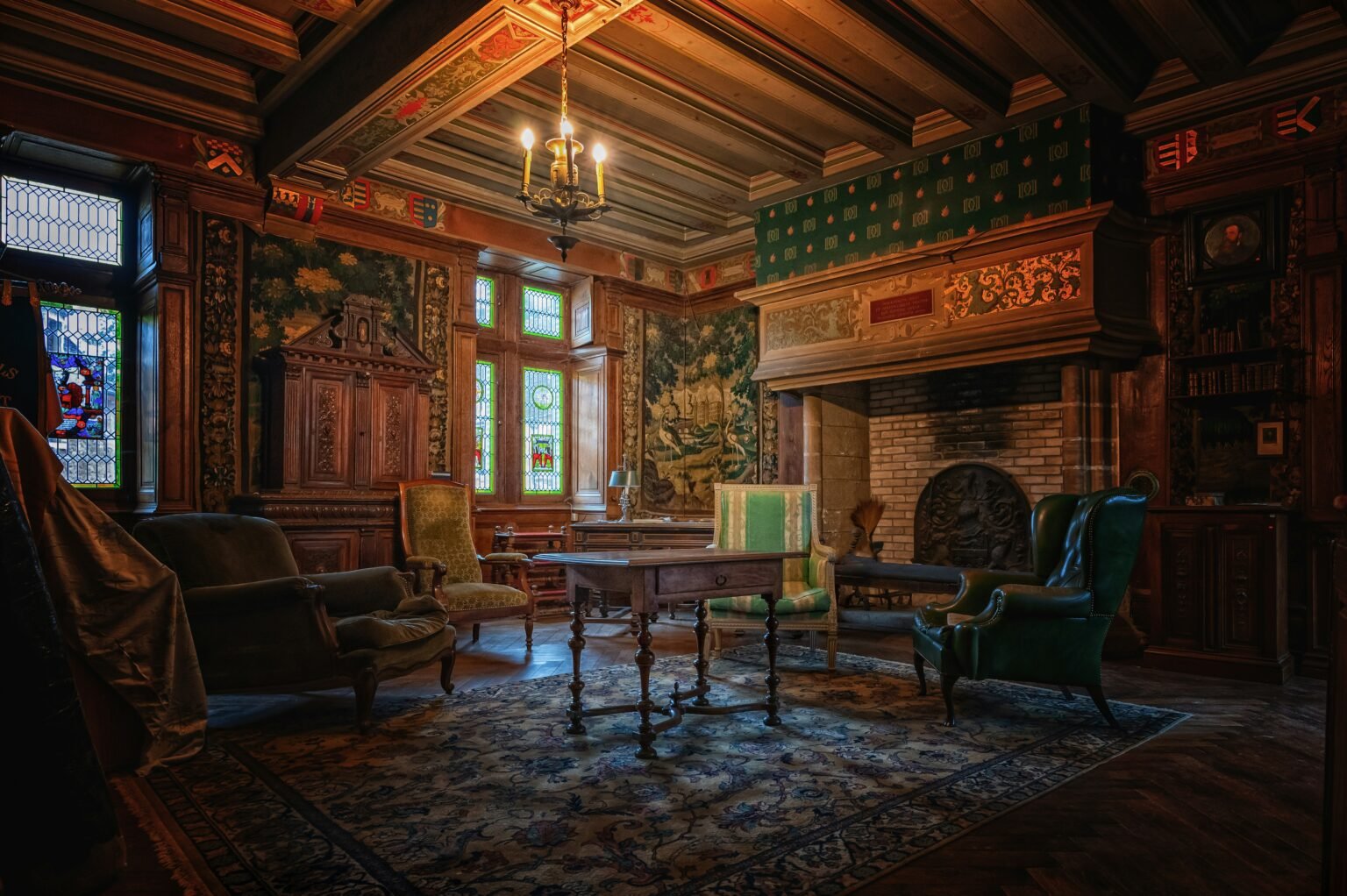
Begin with the feeling a film interior creates. The warm, book-filled rooms of a period drama call for layered fabrics, dark timber and softly glowing lamps. A crisp modern set might use pale walls, sculptural furniture and plenty of empty space. Collections of memorable movie interiors can help you identify which visual direction suits your home.
Save three or four reference images, then note the colours, materials and shapes that appear repeatedly. Keep the room’s existing proportions in mind. A large four-poster bed may overwhelm a compact bedroom, while the same mood could come from patterned bedding, a vintage bedside table and warm metal details. Brass hardware by Corston offers options for doors, cabinets, switches and sockets, making these often-overlooked features part of the overall scheme.
Elements of Memorable Interiors
Production designers build rooms in layers, and the same method works at home. Start with a dominant colour, add one or two supporting shades, and repeat them across textiles, art and smaller objects. Film-inspired rooms work best when their influences share a clear thread, such as 1970s curves or English country-house warmth. Focus on these core elements:
- Use lighting at several heights, including ceiling fittings, table lamps and floor lamps
- Mix smooth and textured materials to create depth
- Arrange furniture to support conversation and movement
- Leave some open space so distinctive pieces can stand out
Guides to blockbuster design styles show how recognisable film moods translate into everyday interiors. Choose one strong influence and adapt it to the way you actually live.
The Finishing Touches Matter
Small details often make a screen interior believable. Books may look well-handled, curtains may fall at the correct length, and ornaments may reflect the fictional resident’s interests. At home, personal objects give a designed room the same sense of history.
Look closely at handles, light switches, lampshades, picture frames and curtain poles. Consistent finishes help separate purchases feel connected, especially in an open-plan space. You don’t need every metal surface to match exactly, but two related finishes usually create a calmer result than five competing ones.



Avoid filling every shelf. Group objects in odd numbers, vary their heights, and include something personal, such as a framed ticket or inherited vase. These choices create character without making the room resemble a themed set.
Your Home’s Blockbuster Look
Test your ideas in one contained area before changing a whole room. A reading corner is a useful trial space because it needs only a chair, light, side table, and a few carefully chosen accessories. Photograph the arrangement during the day and at night, since a scheme that feels balanced in sunlight can appear flat under one ceiling light.
Give each purchase a clear job. A striking chair can establish the period, while a rug defines the palette and lighting shapes the mood after dark. If an item contributes nothing to the room’s function or visual story, leave it out.
The finished space should still feel natural on an ordinary Tuesday evening. Borrow the confidence of cinema, then let family photographs, well-used books, and everyday comforts keep the room grounded. One thoughtfully restyled corner may be enough to create your home’s most memorable scene.