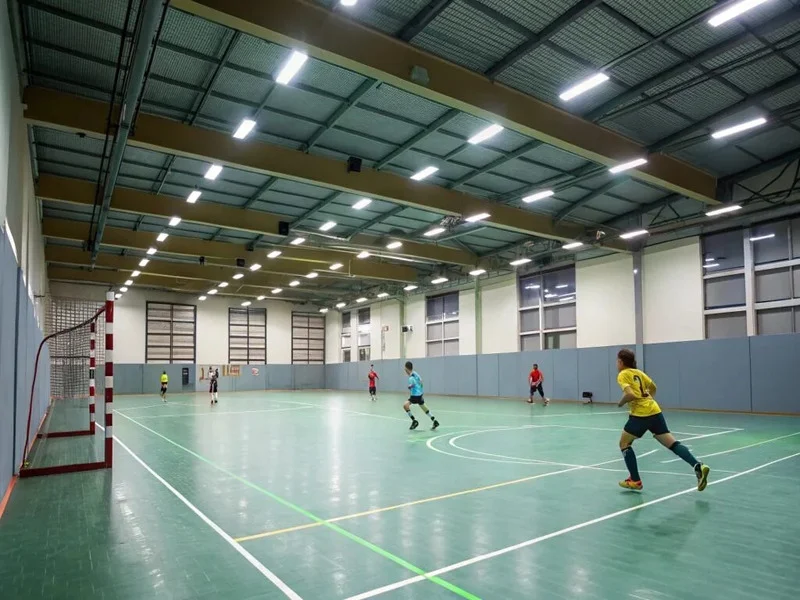
Introduction to Futsal
Futsal is taking the world by storm, captivating players and fans alike with its fast-paced action and skillful plays. But what exactly is this dynamic sport? If you’ve ever watched a match or tried your hand at it, you know there’s something special about futsal that sets it apart from traditional football. Whether you’re an aspiring player or just curious about this indoor phenomenon, understanding futsal can open doors to an exciting new realm of sports. Let’s dive into what makes futsal unique and explore its growing popularity across the globe.
History and Origins of Futsal
Futsal has a rich history that dates back to the 1930s. It originated in Montevideo, Uruguay, where it was created as an indoor version of football for youth and adults alike.
The sport gained traction among schools and community centers, providing a way for players to enjoy football regardless of weather conditions. Its unique format encouraged close ball control and quick decision-making.
By the 1950s, futsal began spreading across South America. Brazil embraced the game wholeheartedly, refining its style and nurturing legendary talents like Zico and Pelé through this small-sided format.
In 1985, FIFA officially recognized futsal as a distinct discipline. This helped standardize rules across nations while promoting international competitions. As its popularity soared globally, leagues popped up everywhere from Europe to Asia, showcasing talent on every continent.
Comparison to Traditional Football
Futsal and traditional football share a common foundation, yet they diverge significantly in various aspects.
The most noticeable difference is the playing field. Futsal is played indoors on a smaller, hard court. This contrasts sharply with the expansive grass fields used for traditional football matches.
Team sizes also vary. Futsal features five players per team, while eleven players take to the pitch in conventional football. This smaller roster encourages individual skills and quick decision-making.



Scoring opportunities arise more frequently in futsal due to its fast pace and limited space, making goals abundant compared to the often tactical play of larger football games.
Another key distinction lies in ball design; futsal utilizes a heavier ball that minimizes bounce. This aspect challenges players’ control and dribbling techniques differently than standard footballs do.
These differences create unique gameplay experiences that cater to different styles of play while still celebrating shared elements of passion for soccer.
Key Differences in Rules and Gameplay
Futsal rules are distinct, creating a unique experience compared to traditional football. For starters, the game is played on a smaller court, usually indoors. This limited space encourages quick thinking and fast-paced play.
Each team consists of just five players, including the goalkeeper. Substitutions can be made on-the-fly without stopping the game, which keeps the action flowing seamlessly.
The ball used in futsal is smaller and heavier than a regular soccer ball. This design minimizes bounce and promotes better control for dribbling and passing.
Games consist of two halves lasting 20 minutes each with a stop-clock system. The clock halts during stoppages in play, ensuring that every second counts for players.
Another notable difference lies in fouls; accumulating five fouls results in direct free kicks for opponents. This rule adds an extra layer of strategy to gameplay as teams must manage their physicality carefully.
Benefits of Playing Futsal
Playing futsal offers numerous benefits that extend beyond just enhancing soccer skills. This fast-paced game sharpens players’ agility, coordination, and balance. The smaller playing area demands quick thinking and rapid decision-making, which can translate to improved performance on larger fields.
Additionally, futsal encourages teamwork and communication. With fewer players on the court, each participant must work closely with their teammates to create scoring opportunities.
The nature of the sport promotes cardiovascular fitness as well. Constant movement keeps players engaged while boosting endurance.
Futsal also fosters creativity in gameplay. Players are encouraged to express themselves through unique dribbles and tricks due to limited space.
Participating in futsal cultivates a sense of community among players of all ages. It’s an inclusive environment where everyone can enjoy the thrill of competition while forming lasting friendships.
Futsal’s Growing Popularity Worldwide
Futsal is experiencing a remarkable surge in popularity across the globe. More players are discovering its fast-paced nature and technical demands, making it an appealing alternative to traditional football.
Countries like Brazil and Spain have long embraced futsal, producing world-class talents who transition seamlessly into larger arenas. This trend is now spreading rapidly to other regions, including North America and Asia.
Youth leagues are popping up everywhere, offering kids a dynamic environment to develop their skills. Coaches appreciate how futsal encourages creativity and teamwork among players.
Moreover, social media has played a pivotal role in this growth. Highlight reels of stunning goals and impressive footwork circulate widely online, capturing attention far beyond local fields.
As communities rally around futsal tournaments and events, interest continues to grow. It’s clear that this vibrant sport resonates with athletes of all ages looking for excitement on the court.
How to Get Involved in Futsal
Getting involved in futsal can be a thrilling experience. Start by finding local clubs or leagues that offer futsal programs. Many communities have dedicated futsal teams, making it easy to connect with fellow enthusiasts.
Joining a club often involves trying out for a team. Show up with enthusiasm and skills you’ve honed on the court. If you’re new, don’t hesitate to ask about beginner sessions or training camps designed for newcomers.
Consider attending futsal workshops or clinics. These events provide valuable insights from experienced players and coaches while helping you refine your technique.
Additionally, participate in informal games at local gyms or community centers. This is an excellent way to practice your skills and meet other players who share your passion for the sport.
Stay engaged through social media groups focused on futsal news and events in your area. Building connections online can lead to more opportunities off the field.
Conclusion
Futsal has carved its niche in the world of sports, offering a unique blend of skill, speed, and strategy. Its origins trace back to South America, where it was designed for smaller spaces but has evolved into a global phenomenon. The differences from traditional football are stark; futsal emphasizes ball control and quick decision-making on small courts.
This fast-paced game is becoming increasingly popular worldwide due to its accessibility and the benefits it offers players of all ages. From improving footwork to fostering teamwork, participating in futsal can enhance your overall athletic abilities.
As more enthusiasts recognize the joy and competition that futsal provides, opportunities for involvement continue to grow. Local clubs and organizations offer leagues for various skill levels, making it easier than ever to join this exciting sport.
Exploring futsal can open up new avenues not just for physical fitness but also camaraderie among players who share a passion for this dynamic game. Whether you’re looking to play casually or competitively, there’s always room on the court for newcomers ready to embrace the challenge.