Introduction
The early years of a child’s life are a critical window for language acquisition, as their brains are uniquely adapted to pick up new sounds and structures. Introducing Chinese for preschoolers during this period can give them a significant head start in both their academic and social development. However, the key to success at this age is to ensure that the process is enjoyable and stress-free for the child. If a child associates the language with fun and play, they are much more likely to develop a lifelong interest in it. By incorporating simple, engaging activities into their daily routine, you can help your child build a strong foundation without them even realising they are learning.
1. Music, Rhythm, and Auditory Learning
One of the most effective ways to encourage progress is through the use of music and rhythm. Children naturally respond to songs, and the repetitive nature of lyrics helps them memorise new vocabulary and correct tones without pressure. You can start by playing Mandarin nursery rhymes in the car or during playtime at home. Over time, your child will begin to hum along and eventually pick up the words. This auditory immersion is a vital part of learning Chinese for preschoolers, as it familiarises them with the unique sounds of the language in a way that is entertaining and easy to digest for a young mind, helping them build an ear for tones.
2. Storytelling and Visual Association
Storytelling is another powerful tool for language development. Choosing colourful picture books with simple characters allows you to bond with your child while introducing them to new concepts and vocabulary. Even if you are not fluent yourself, there are many resources available, including audiobooks and interactive apps, that can help with correct pronunciation to learn Chinese for preschoolers. The goal is to make the language a natural part of your shared experiences. Asking simple questions about the pictures in Mandarin, such as “What colour is the bird?”, encourages your child to think and respond in the language, building their confidence one word at a time through positive reinforcement.
3. Play-Based Activities and Games
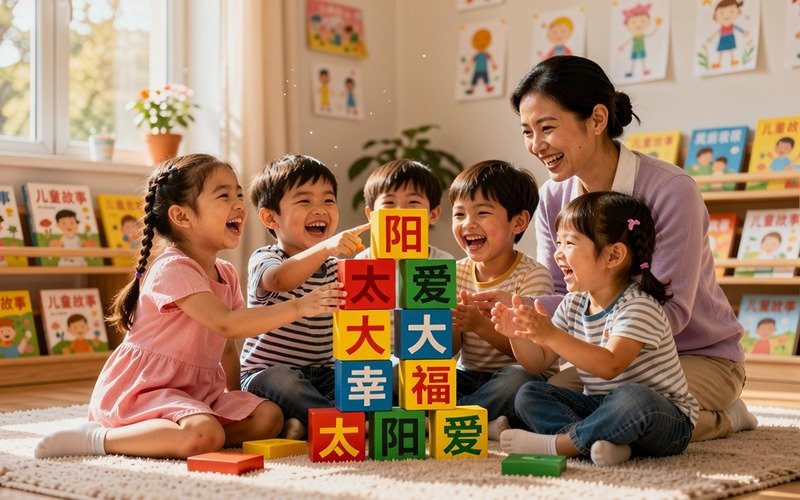
Games and hands-on activities are also essential for keeping young learners motivated and curious. For example, you can use flashcards to play a game of “Memory” or go on a “scavenger hunt” where your child has to find items of a certain colour or shape while using their Chinese names. These activities turn learning into a physical and social experience, which is far more effective for preschoolers than sitting still at a desk. When children are actively involved in the process, they are more likely to retain what they have learned and look forward to their next session. Play is the natural language of children, and using it for education is highly effective.
4. Establishing Daily Language Routines
Moreover, consistency is the most important factor when it comes to early language learning. Rather than trying to teach too much at once, focus on just five to ten minutes of language interaction every day. This could be as simple as naming the fruits during snack time or saying “goodnight” in Mandarin before bed. These small but regular interactions build familiarity and comfort with the language, making it a normal part of the child’s life. As they grow older, this foundation will make formal education much easier and more successful. Creating a positive and immersive environment is the greatest gift you can give a young learner.
Conclusion
Boosting your child’s interest in Chinese for preschoolers is all about making the language a vibrant and natural part of their world. By focusing on play, music, and stories, you can create a positive learning environment that fosters curiosity and confidence. Consistency is key, so even just fifteen minutes of exposure a day can lead to remarkable progress over time. With the right approach, your child will not only learn a valuable new skill but will also enjoy the process of discovery and growth. Starting this journey early ensures that your child develops the cognitive flexibility and cultural appreciation that come with being bilingual.
Contact Hua Language Centre to learn more about our specialised programmes for young learners.