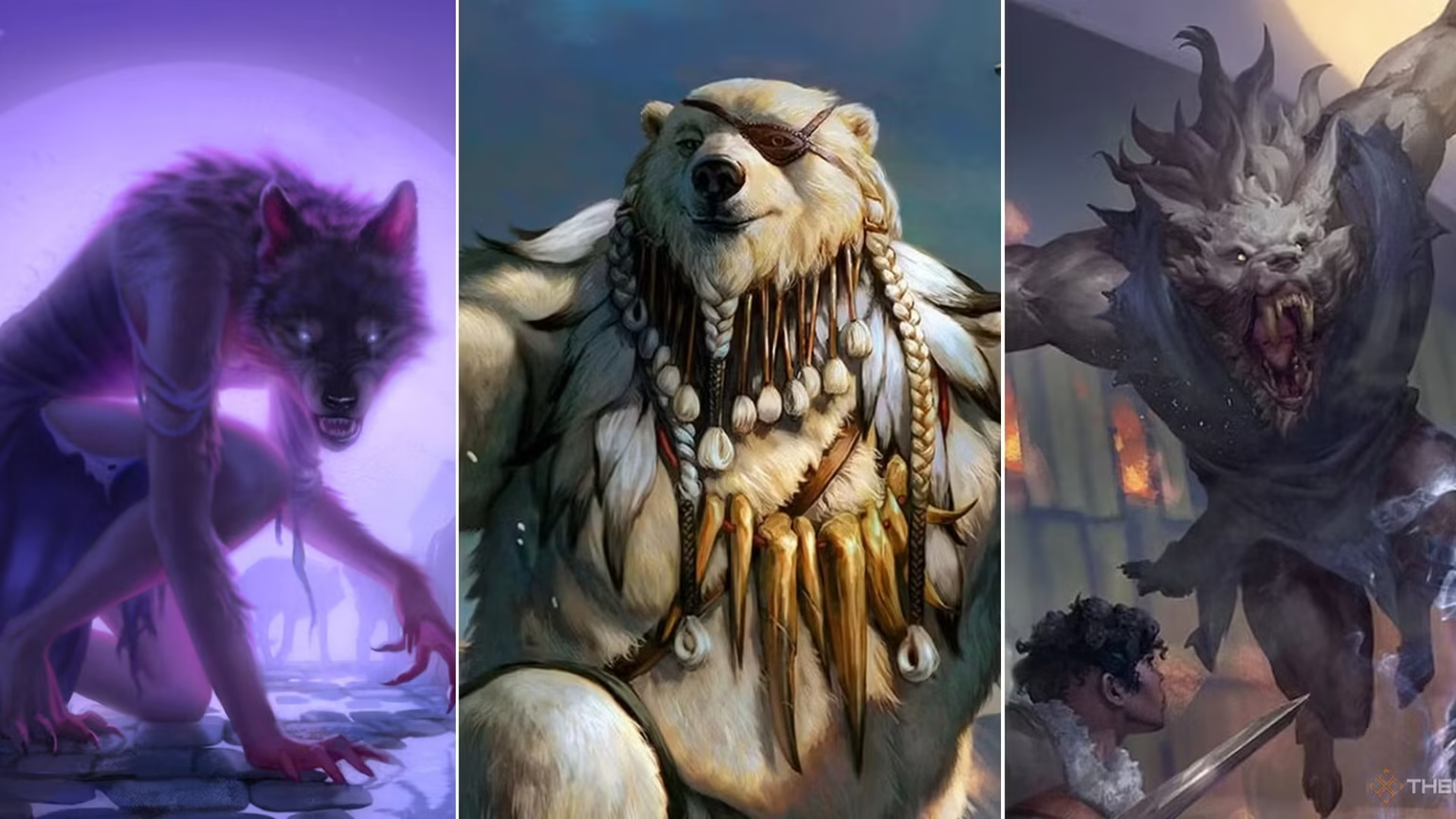
Imagine being able to transform into a ferocious beast under the full moon, tapping into primal instincts and unimaginable power. This is the allure of lycanthropy in Dungeons and Dragons—a curious mix of horror and heroism that has captivated players for decades. Whether you’re a seasoned adventurer or new to the realm of tabletop gaming, understanding lycanthropy can add depth to your character and enrich your gameplay experience. So, what exactly is this fascinating phenomenon? Let’s dive deep into the world of lycanthropes in DND, exploring its origins, types, transformations, challenges, and benefits!
The Basics of Lycanthropy in Dungeons and Dragons
Lycanthropy in Dungeons and Dragons represents a unique blend of magic, myth, and transformation. It refers to the ability of certain characters to shift between their humanoid form and that of a beast—like wolves or bears.
This transformation is often tied to specific curses or bloodlines. While some embrace their lycanthropic nature, others struggle with its implications. The duality can lead to rich storytelling opportunities within campaigns.
Players who choose lycanthrope characters must navigate complex moral landscapes. They may grapple with inner monsters as they balance their human emotions against animal instincts.
Each type of lycanthrope brings distinct traits and abilities, providing varied gameplay experiences. From enhanced senses to formidable physical prowess, being a lycanthrope offers both exciting advantages and daunting challenges on the battlefield.
Origins of Lycanthropy in DND
Lycanthropy’s roots in Dungeons and Dragons tap into ancient folklore. Many cultures have depicted shapeshifters, blending humanity with animalistic traits. This depth enriches the game world.
In D&D, lycanthropes aren’t just monsters; they embody a struggle between humanity and primal instincts. The stories often draw from myths of werewolves and other creatures that can transform at will.
These tales suggest duality—one side civilized, the other wild. Players navigating this dichotomy find rich storytelling opportunities within their characters’ conflicts.



The complexity of origins varies across different editions, evolving as new narratives unfold. Each interpretation adds layers to gameplay and character development.
D&D’s take on lycanthropy reflects a blend of horror and adventure—a chance for players to explore darker themes while grappling with morality and identity within their campaigns.
Different Types of Lycanthropes in DND
Lycanthropes in Dungeons and Dragons come in various forms, each with unique traits and abilities. The most well-known types include werewolves, wererats, and werebears.
Werewolves are the quintessential lycanthrope. They transform during full moons into ferocious wolf-like creatures, blending human intellect with primal instincts. Their curse often leads to internal conflict as they struggle between their two natures.
Wererats offer a different flavor of chaos. These cunning shapeshifters can slip through shadows and navigate urban landscapes easily. They excel at stealth and subterfuge—ideal for characters who prefer strategy over brute force.
Then we have werebears, known for their protective nature. Unlike others obsessed with carnage, they take on a guardian role within their communities. Players seeking a more nurturing or defensive character might find this type appealing.
Other variations exist too: weretigers bring agility and speed while werefoxes charm with their cleverness. Each type invites rich storytelling opportunities that enhance gameplay experiences distinctly.
How to Become a Lycanthrope in DND
Becoming a lycanthrope in Dungeons and Dragons is often tied to narrative elements, offering rich story potential. Typically, one might contract this transformation through a bite from an existing lycanthrope. This can serve as the catalyst for thrilling adventures.
Alternatively, players could explore magical means. Spells or cursed items may grant the ability to shapeshift into a beastly form. Each method can add layers of complexity to your character’s backstory.
Once transformed, characters must navigate their new identity while dealing with societal perceptions and personal dilemmas. The journey doesn’t just involve physical change; it also brings moral questions about control and bestial instincts.
Engaging in roleplay during these transformations enhances gameplay dynamics. Consider how your character interacts with others when they’re both human and beast—this duality adds depth to any campaign experience.
Dealing with the Challenges of Lycanthropy in DND
Lycanthropy in Dungeons and Dragons comes with its share of challenges. Navigating the duality of human and beast can be a complex role-playing experience. Players must grapple with moral dilemmas, especially when hunger or instinct takes over.
Social interactions can become strained. The fear or suspicion from townsfolk may lead to ostracization, which complicates character relationships—not just with NPCs but also within the party itself. Trust issues might emerge if others are wary of your lycanthropic nature.
Managing transformations adds another layer of difficulty. Whether triggered by the moon or emotional strain, these shifts require careful planning during campaigns. Timing becomes crucial for both combat and storytelling.
Keeping control can pose a significant risk during battles or tense moments. Characters must learn to balance their instincts while maintaining their humanity, creating rich narratives filled with tension and excitement.
Benefits of Playing a Lycanthrope Character
Playing a lycanthrope character opens up a world of unique role-playing experiences. The duality of human and beast adds depth to your character’s story. It can spark intense internal conflicts, making for memorable moments during gameplay.
Lycanthropes often possess enhanced abilities, such as increased strength or heightened senses. These traits can turn the tide in challenging combat situations and allow for creative problem-solving opportunities.
Additionally, embracing this transformative aspect can lead to fascinating interactions with other characters. Whether it’s fear, admiration, or curiosity from party members and NPCs, each response brings rich storytelling potential.
The theme of transformation also presents chances for personal growth throughout the campaign. As your character grapples with their identity, it invites engaging discussions about morality and acceptance within the group dynamic.
Playing a lycanthrope enriches not just your gameplay but also enhances the collective experience around the table.
Conclusion
Lycanthropy adds a fascinating layer to the Dungeons and Dragons experience. Embracing this unique condition can transform gameplay, creating rich storytelling opportunities.
Players who take on lycanthrope characters often navigate complex moral dilemmas. They may grapple with their beastly nature while trying to maintain their humanity. This internal conflict makes for compelling character development.
Additionally, lycanthropes bring unique abilities and traits to any adventuring party. Their shape-shifting capabilities enhance combat strategies and exploration options, providing an edge in various scenarios.
Whether you’re drawn by the allure of power or the thrill of transformation, exploring lycanthropy in DND can be a rewarding journey filled with challenges and triumphs alike. As players delve into this captivating aspect of the game, they unlock endless possibilities for adventure.