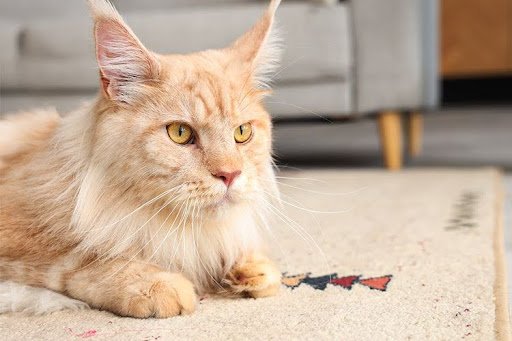
Maine Coons are known for their majestic size, tufted ears, and gentle personalities — but as these beloved giants grow older, even the simplest daily routines can become a struggle. A cat that once leaped effortlessly into a litter box may now hesitate at the entrance, straining to lift arthritic legs over a high wall. For many owners, this shift happens gradually, making it easy to miss until accidents start appearing outside the box.
- Why Your Senior Maine Coon’s Litter Box Needs Special Attention
- Choosing the Perfect Easy Access Litter Box for Senior Cats
- Step-by-Step Cat Box Setup for Optimal Senior Cat Comfort
- Selecting the Right Location for Privacy and Accessibility
- Arranging the Litter Box for Easy Entry and Exit
- Maintaining Cat Health Through Proactive Litter Box Management
- Supporting Your Senior Maine Coon’s Comfort and Independence
Standard litter boxes are simply not designed with senior cats in mind. High entry walls, cramped interiors, and slippery surfaces turn a necessary routine into a painful obstacle course. The result? Litter box avoidance, stress, and preventable health complications that affect both your cat’s well-being and your household harmony.
Easy access litter boxes offer a practical, compassionate solution. Designed with low entry points, generous dimensions, and stability features, they accommodate the physical limitations that come with age. This article walks you through everything you need to know — from selecting the right box and understanding key features for Maine Coon mobility, to proper cat box setup and ongoing litter box management that supports long-term cat health.
Why Your Senior Maine Coon’s Litter Box Needs Special Attention
Maine Coons are already the largest domestic cat breed, often weighing between 12 and 18 pounds with frames to match. Add a decade or more of age to that build, and the physical demands of using a standard litter box become genuinely significant. Arthritis is one of the most common conditions affecting senior cats, quietly degrading joint cartilage over time until climbing, squatting, and stepping over barriers becomes painful rather than routine. Many owners attribute hesitation near the litter box to stubbornness, not realizing their cat is actually managing chronic discomfort with every visit.
Reduced muscle mass and declining coordination compound the problem. An older Maine Coon may struggle to maintain a stable squat position, increasing the risk of slipping or losing balance on smooth litter box surfaces. Kidney disease — disproportionately common in aging cats — drives more frequent urination, meaning your cat makes more trips to the box each day. Each difficult visit adds up, and when the box becomes associated with pain or effort, avoidance follows naturally.
The consequences extend beyond inconvenience. A cat that avoids its litter box may urinate in inappropriate locations, leading to household tension and potential skin or urinary tract complications from holding waste too long. Catching this pattern early and addressing the root cause — an inaccessible litter box — protects both your cat’s physical health and emotional well-being. Switching to an easy access design is not an indulgence; for a senior Maine Coon, it’s a straightforward intervention that directly supports daily comfort and long-term cat health.
Choosing the Perfect Easy Access Litter Box for Senior Cats
An easy access litter box is defined by one core principle: reducing the physical effort required to enter, use, and exit the box. For a senior Maine Coon, that primarily means a low entry point — ideally no higher than three inches off the ground — combined with an interior spacious enough to accommodate a large cat turning, squatting, and repositioning without feeling cramped. Standard boxes often fall short on both counts, with entry walls reaching five inches or more and interiors sized for average-weight cats rather than a 15-pound Maine Coon managing stiff joints.
When comparing available designs, three main types emerge for a litter box for senior cats. Low-sided open boxes are the most straightforward option — minimal barriers, easy visibility, and simple entry. They work well for cats with significant mobility limitations but offer less privacy and can scatter litter more readily. High-sided boxes with a cut-out entry strike a useful middle ground: the lower front opening preserves easy access while the raised sides contain litter and give your cat a sense of enclosure. Brands like Meowant offer designs in this category that specifically account for larger breeds, making them a practical starting point when researching options for a senior Maine Coon. Modified top-entry boxes are generally unsuitable for senior cats with arthritis, as they require jumping or climbing that compounds joint stress rather than relieving it.



Key Features to Prioritize for Maine Coon Mobility
Beyond entry height and interior size, four features meaningfully affect how well a litter box serves an aging Maine Coon. A non-slip base or textured floor prevents the feet from sliding during the squatting motion — a real risk for cats with weakened hindquarters. Generous interior dimensions, at minimum 18 by 24 inches, give a large-framed cat room to move without awkward contortion. Lightweight construction matters too, since a heavy box is harder to reposition for cleaning and may shift underfoot if not properly stabilized. Finally, smooth interior walls without sharp ridges or lips reduce the chance of your cat catching a paw during entry or exit, keeping each bathroom visit as effortless as possible.
Step-by-Step Cat Box Setup for Optimal Senior Cat Comfort
Even the best litter box underperforms if it’s placed poorly or arranged without your cat’s physical limitations in mind. A thoughtful cat box setup transforms a functional product into a genuinely supportive environment — one your senior Maine Coon will use consistently and comfortably.
Selecting the Right Location for Privacy and Accessibility
Location shapes whether your cat approaches the box willingly or avoids it entirely. Choose a quiet, low-traffic area where your cat won’t be startled mid-use — laundry rooms with intermittent machine noise or busy hallways are poor choices. At the same time, don’t tuck the box so far away that a senior cat with reduced stamina has to travel a long distance to reach it. For multi-level homes, place a box on every floor; expecting an arthritic Maine Coon to navigate stairs urgently is a setup for accidents. Keep the box well away from food and water bowls, as cats instinctively avoid eliminating near their feeding area. A bathroom corner or a quiet bedroom alcove typically strikes the right balance between seclusion and accessibility.
Arranging the Litter Box for Easy Entry and Exit
Once positioned, the immediate surroundings matter as much as the box itself. Clear a generous pathway to the entry point — no obstacles, cords, or furniture edges that require maneuvering around. If your cat shows hesitation stepping onto hard flooring before reaching the box, place a low-pile mat in front of the entrance to provide traction and a tactile cue that the box is nearby. For cats with pronounced mobility challenges, a small, gently inclined ramp leading to the entry can eliminate even the modest effort of a single step.
Fill the box with two to three inches of litter rather than the deeper layers sometimes recommended for younger cats. Shallower litter is easier to dig through and reduces the leg lift required during the digging motion — a meaningful difference for stiff joints. If you’re managing multiple cats, each cat should have its own dedicated box; competition or territorial tension around a shared box adds stress that senior cats are poorly equipped to handle.
Maintaining Cat Health Through Proactive Litter Box Management
A well-chosen, properly placed litter box only delivers its full benefit when paired with consistent upkeep. For senior Maine Coons, whose immune systems and organ function are less resilient than in younger cats, a neglected box creates genuine health risks — bacterial buildup, respiratory irritation from dusty litter, and stress-driven avoidance that undoes all the progress made with an accessible design.
Routine Cleaning and Hygiene Best Practices
Daily scooping is non-negotiable for senior cats. Older cats are more sensitive to odor and will avoid a soiled box far more readily than a younger cat would, so removing waste once or twice per day keeps the environment inviting. A full litter replacement should happen every one to two weeks, combined with a thorough wash of the box using mild, unscented dish soap — avoid ammonia-based cleaners, which leave a residual smell that mimics urine and can confuse or deter your cat. Rinse thoroughly and allow the box to dry completely before refilling.
Litter selection matters more for senior cats than many owners realize. Choose a low-dust, unscented formula with a soft texture — fine-grain clumping litters work well because they’re gentle on paws that may already be tender from arthritis. Heavily perfumed litters can irritate aging respiratory systems, and coarse textures make digging uncomfortable for sensitive feet. If your cat has used the same litter type for years, maintain that consistency; switching abruptly can trigger avoidance behavior in cats already managing stress from age-related changes.
Observing Your Cat for Health Red Flags
The litter box is one of the most reliable windows into your senior cat’s health. Changes in frequency — visiting significantly more or less often than usual — can signal urinary tract infections, kidney disease, or diabetes, all of which are common in aging cats. Straining without producing urine is a medical emergency requiring immediate veterinary attention, particularly in male cats prone to blockages. Bloody urine, unusually small or large clumps, and strong changes in odor are equally important signals worth documenting and discussing with your vet.
Avoidance of a previously accepted box, especially when no changes have been made to its location or litter type, often indicates pain associated with elimination — a sign that arthritis or another underlying condition may be progressing. Keep a loose mental log of your cat’s litter box habits, and when something shifts, treat it as meaningful information rather than a behavioral quirk. Early veterinary consultation consistently leads to better outcomes for the conditions most likely to affect senior cat health, and the litter box is often where the first clues appear.
Supporting Your Senior Maine Coon’s Comfort and Independence
Caring for a senior Maine Coon means adapting your home to meet their changing needs — and few changes deliver as immediate a return as upgrading their litter box setup. An easy access design with a low entry point, generous interior dimensions, a non-slip base, and smooth walls removes the daily physical burden that standard boxes place on aging joints and muscles. Pair that with a thoughtful placement strategy, shallow litter depth, and clear pathways, and you’ve created an environment where your cat can maintain their independence and dignity through their senior years.
Consistent litter box management ties everything together. Daily scooping, regular deep cleaning, and a stable litter choice keep the space inviting and hygienic — while also giving you a reliable window into your cat’s health. Shifts in frequency, avoidance behavior, or signs of straining are your earliest warning system for conditions that respond best to prompt veterinary care.
Take a few minutes today to evaluate your current setup through your cat’s eyes. Is the entry wall too high? Is the box tucked somewhere difficult to reach? Small adjustments can make a significant difference in your Maine Coon’s comfort, confidence, and long-term well-being. Your cat has given you years of companionship — a litter box that actually works for them is one of the simplest ways to give something meaningful back.