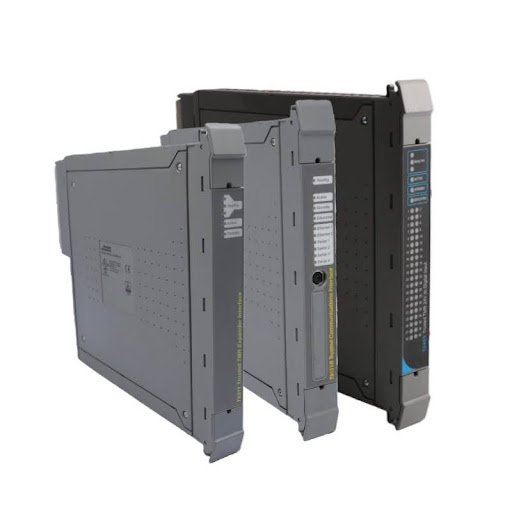
Industrial control systems are the backbone of critical infrastructure — from oil refineries and power plants to manufacturing facilities and water treatment operations. When these systems run smoothly, everything else follows. But when a single component fails and a replacement is nowhere to be found, the consequences ripple outward fast: unplanned downtime, compromised safety, and mounting financial losses.
- Understanding the Challenge of Obsolete ICS Triplex Parts
- Why Obsolete Control System Parts Are a Critical Issue
- The Risks of Using Non-OEM or Unreliable Components
- Sourcing Reliable ICS Triplex Automated Parts
- Best Practices for Maintaining Older Control Systems
- Proactive Maintenance for Control System Drives
- Ensuring System Reliability with Proper Part Integration
- Implementing a Sustainable Parts Management Strategy
- Keeping ICS Triplex Systems Safe, Reliable, and Future-Ready
For maintenance teams managing aging facilities, the challenge is increasingly familiar. ICS Triplex automated parts — once the gold standard for safety-critical redundant control systems — are now facing the harsh reality of obsolescence. Manufacturers discontinue product lines, authorized distributors run out of stock, and teams are left scrambling for components that simply aren’t easy to find anymore. The temptation to cut corners with non-OEM substitutes is real, but so are the risks that come with it.
This article is designed to help maintenance engineers and operations managers navigate that challenge with confidence. You’ll find practical guidance on understanding why obsolete ICS Triplex parts create such serious problems, where and how to source genuine components, how to maintain aging systems effectively, and how to build a long-term parts management strategy that keeps your control system reliable — today and well into the future.
Understanding the Challenge of Obsolete ICS Triplex Parts
Why Obsolete Control System Parts Are a Critical Issue
Industrial facilities built around ICS Triplex safety systems were designed for decades of operation — but the components supporting those systems weren’t always given the same lifespan guarantee. Manufacturer discontinuations are the primary driver of obsolescence. When a product line is retired, spare parts inventories shrink, technical support fades, and maintenance teams are left holding equipment that no longer has an active supply chain behind it. Technological shifts compound the problem: newer digital architectures have made legacy analog and hybrid ICS Triplex components increasingly difficult to source through conventional channels. For maintenance engineers, this creates a frustrating gap between what the system requires and what’s actually available. Repairs that once took days now stretch into weeks as teams hunt for compatible ICS Triplex components across dwindling supplier networks. Every delay increases the risk of extended downtime in environments where uptime isn’t optional.
The Risks of Using Non-OEM or Unreliable Components
When genuine parts are hard to find, the pressure to accept substitutes grows — and that’s where serious problems begin. Non-OEM components may appear physically compatible but fail to meet the precise electrical tolerances and redundancy specifications that ICS Triplex automated parts are engineered to deliver. In a triple-redundant safety system, even a minor deviation in one module’s performance can undermine the entire architecture’s integrity, creating fault conditions that wouldn’t exist with authentic parts. Beyond performance, there are compliance consequences. Safety-critical systems in regulated industries must meet strict standards — using uncertified replacement parts can void system certifications, trigger audit findings, and expose facilities to liability. Counterfeit components carry an additional layer of risk: they often pass visual inspection but fail under operational stress. Sourcing authentic ICS Triplex components from verified suppliers isn’t just a quality preference; it’s a fundamental requirement for maintaining system safety and regulatory standing.
Sourcing Reliable ICS Triplex Automated Parts
Strategies for Finding Obsolete Control System Parts
Finding genuine ICS Triplex components in today’s market requires a more deliberate approach than simply contacting your usual distributor. Specialized suppliers who focus exclusively on legacy industrial automation parts are often the most productive starting point — these companies maintain dedicated inventories of discontinued components and understand the specific requirements of safety-critical redundant systems. Beyond specialized suppliers, industry-specific networks and maintenance forums can surface leads that don’t appear through conventional searches; experienced engineers in these communities frequently know which distributors still carry aging stock. Online industrial marketplaces can also be useful, but require caution — always cross-reference part numbers against OEM documentation and request full traceability records before committing to a purchase. Suppliers like Apter Power, which operate across industrial and power-related parts sectors, are an example of the kind of established sourcing network worth evaluating when tracking down hard-to-find components. When evaluating any sourced component, insist on original packaging, batch documentation, and test certificates that confirm the part meets ICS Triplex specifications. A part that can’t be traced to a verifiable source should be treated as a liability, not a solution.
Evaluating Suppliers for ICS Triplex Components
Supplier selection is where many procurement decisions go wrong. A reliable supplier for ICS Triplex automated parts should hold recognized industry certifications — ISO 9001 at minimum — and be able to demonstrate a documented quality management process for testing and handling control system drives and modules. Ask directly about their inspection procedures: reputable suppliers will subject components to functional testing and electrical verification before shipping, not just visual checks. Warranty terms are a meaningful indicator of confidence; a supplier unwilling to offer any warranty on a component is signaling uncertainty about its condition. Customer references from facilities operating similar safety systems add another layer of assurance. Finally, evaluate responsiveness and technical knowledge — a supplier who can answer detailed questions about ICS Triplex compatibility without hesitation is far more trustworthy than one offering vague reassurances. Due diligence at the sourcing stage is the most effective defense against counterfeit or substandard parts reaching your control system.
Best Practices for Maintaining Older Control Systems
Proactive Maintenance for Control System Drives
Aging ICS Triplex systems don’t fail overnight — deterioration is gradual, and proactive maintenance is what separates teams that catch problems early from those responding to unplanned shutdowns. Establish a structured inspection schedule that covers control system drives, I/O modules, and power supply units at regular intervals. During each inspection, check for signs of capacitor aging, connector corrosion, and thermal stress on circuit boards — these are the most common precursors to component failure in older systems. Environmental monitoring matters equally: excess heat, humidity, and vibration accelerate wear on ICS Triplex components far faster than operational load alone. Where possible, deploy continuous diagnostics to track module performance trends over time. A drive that’s beginning to drift outside its normal operating parameters will show warning signs in the data well before it triggers a fault. Using genuine ICS Triplex parts during any replacement or repair is essential here — substituting non-OEM components into a redundant safety architecture can introduce inconsistencies that make trend data unreliable and fault diagnosis significantly harder.



Ensuring System Reliability with Proper Part Integration
Even a genuine, fully verified ICS Triplex component can cause problems if it’s integrated incorrectly. Before installing any replacement part, cross-reference the part number against the system’s original engineering documentation — not just the current configuration, which may have undocumented field modifications. Power down the affected module fully and follow the manufacturer’s lockout/tagout procedures without exception. After installation, run the system through a structured commissioning sequence: verify redundancy handover behavior, confirm that the new module communicates correctly with its paired channels, and check that all diagnostic indicators return to normal status. Document every replacement in your maintenance records, including the part’s source, batch number, installation date, and the technician who performed the work. This documentation isn’t administrative overhead — it creates the traceability record your team needs for future troubleshooting, compliance audits, and warranty claims. Thorough integration practices protect both the system and the people responsible for keeping it running.
Implementing a Sustainable Parts Management Strategy
Inventory Management for ICS Triplex Parts
Reactive procurement — sourcing parts only after a failure occurs — is one of the most expensive habits a maintenance team can have. Building a structured inventory management approach for ICS Triplex components shifts your operation from crisis response to controlled readiness. Start by auditing your current installed base: catalog every ICS Triplex module, drive, and I/O card by part number, installation date, and observed condition. Cross-reference this against manufacturer lifecycle data to identify which components are already discontinued or approaching end-of-support status. From that baseline, establish minimum stock thresholds for high-criticality parts — those whose failure would trigger a system shutdown or safety event. Inventory management software that integrates with your maintenance management system can automate reorder alerts and track consumption trends, giving you visibility into which parts are being used faster than anticipated. Rotate stored components periodically to prevent shelf degradation, and store them in controlled environments that meet ICS Triplex storage specifications for temperature and humidity.
Planning for Future Obsolescence
Obsolescence doesn’t arrive without warning — it builds gradually, and teams that monitor the signals can act before supply dries up entirely. Conduct formal lifecycle assessments for your control system architecture on a defined schedule, at minimum every two to three years. These assessments should evaluate each major component’s remaining support horizon and flag items approaching discontinuation. Where a clear upgrade pathway exists — such as a modern equivalent module that maintains backward compatibility — evaluate migration costs against the long-term risk of operating on unsupported hardware. Establishing a preferred supplier relationship with a specialist in legacy ICS Triplex parts gives you early access to last-time-buy opportunities before manufacturers close out final production runs. Engaging with industry user groups and OEM technical bulletins keeps your team informed of discontinuation announcements as they happen, not months after the fact. A proactive obsolescence plan doesn’t eliminate the challenge of aging infrastructure, but it converts an unpredictable crisis into a manageable, budgeted process.
Keeping ICS Triplex Systems Safe, Reliable, and Future-Ready
Keeping an ICS Triplex-based control system running reliably in an era of obsolescence isn’t a matter of luck — it’s the result of deliberate, informed decisions made at every stage of procurement, maintenance, and planning. The challenges are real: discontinued parts, shrinking supplier networks, and the constant pressure to keep critical systems online without compromising safety or compliance. But as this article has shown, each of those challenges has a workable solution.
Sourcing genuine ICS Triplex automated parts through verified, certified suppliers protects system integrity and keeps your safety architecture performing as designed. Proactive maintenance routines catch deterioration before it becomes failure. Proper integration practices ensure every replacement part contributes to — rather than undermines — overall system reliability. And a structured parts management strategy, built around lifecycle awareness and forward-looking inventory planning, transforms obsolescence from an emergency into a manageable operational reality.
For maintenance engineers and operations managers responsible for aging facilities, the time to act is before a critical component fails. Audit your installed base, identify your highest-risk parts, and build supplier relationships now — while options still exist. The control systems protecting your people and processes deserve nothing less than a fully committed approach to keeping them operational, safe, and ready for whatever comes next.