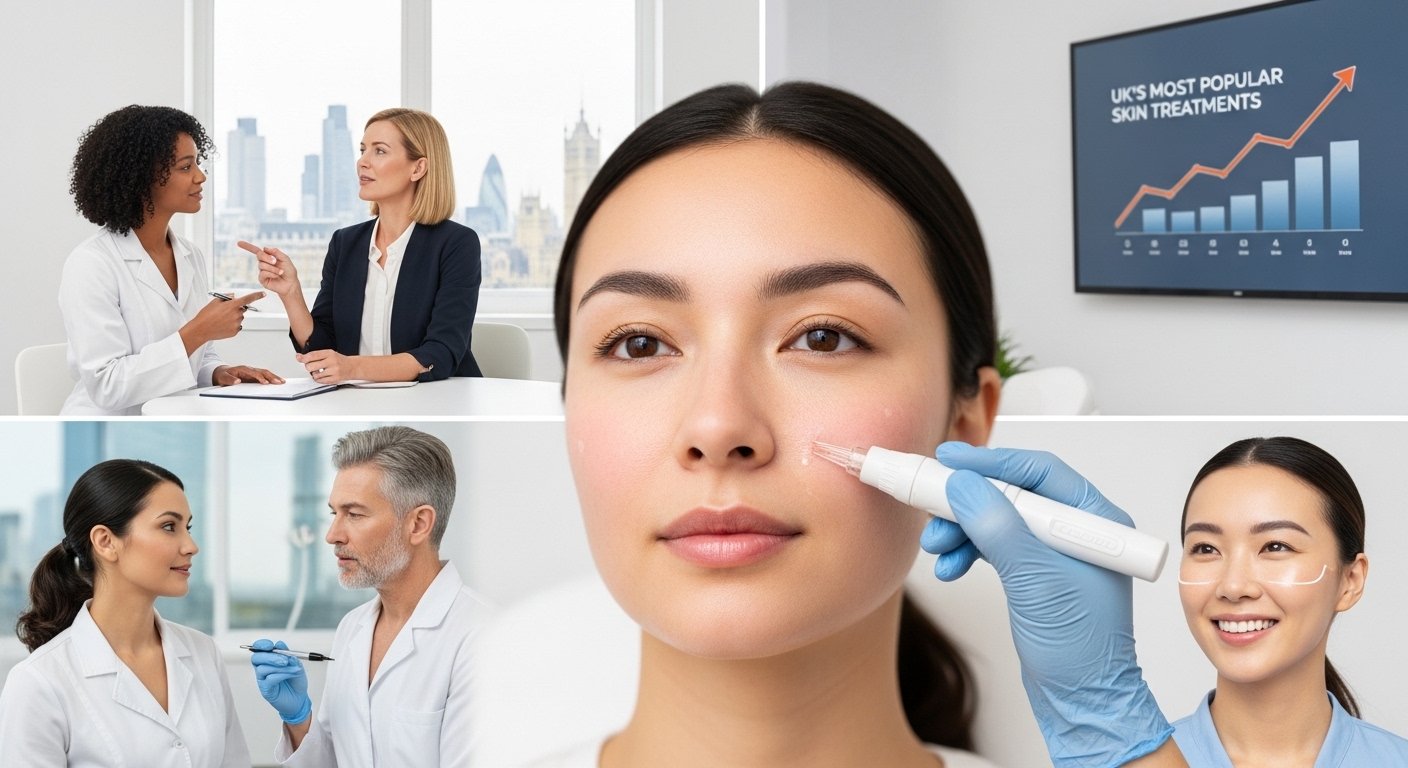
If you have spent any time looking into skin care in recent years, chances are you have come across microneedling. Once considered a niche treatment found only in high-end London clinics, it has quietly become one of the most sought-after non-surgical procedures across the country. So what exactly is it, and why are so many people choosing it?
What Is Microneedling?
Microneedling is a minimally invasive skin treatment that uses tiny needles to create very small, controlled punctures in the surface of the skin. This sounds more alarming than it actually is. The punctures are so fine that most people describe the sensation as mild discomfort at worst, and the process is typically completed within an hour.
The idea behind it is simple. When the skin detects these tiny injuries, it responds by producing more collagen and elastin, the proteins responsible for keeping skin firm, smooth and youthful. By triggering this natural repair process, microneedling encourages the skin to renew itself from within.
What Can It Treat?
One of the reasons microneedling has grown so popular is the range of concerns it can address. It is commonly used to reduce fine lines and wrinkles, improve skin texture, shrink enlarged pores, fade acne scarring, and tackle hyperpigmentation. It can also help with stretch marks and general dullness.
Because it works with the skin’s own biology rather than relying on synthetic fillers or injections, many people see it as a more natural route to improvement. Results build gradually over several weeks, which means changes tend to look subtle and authentic rather than sudden or obvious.
Why the East of England Is Seeing Growing Demand
The rise of medically led aesthetic clinics outside of major cities has made treatments like this far more accessible. Areas like Essex have seen particular growth, with residents increasingly looking for high-quality skin care without having to travel into London. For anyone exploring microneedling Essex, the options available have expanded significantly in recent years, with a growing number of qualified practitioners offering the treatment locally.
This shift reflects a broader change in how people think about aesthetic care. There is a greater awareness now of the importance of choosing a medically trained provider, particularly for treatments that involve needles or breaking the skin barrier.
The Role of Technology
Modern microneedling devices have come a long way from earlier versions of the technique. Today’s clinical-grade pens are designed for precision and comfort, with adjustable needle depths that allow practitioners to tailor treatment to specific areas of the face or body. Some devices can deliver between 1,600 and 2,200 microchannels per second, allowing for a thorough and consistent treatment.



Advanced clinics often combine microneedling with complementary techniques such as mesotherapy, where active ingredients are introduced through the microchannels created during treatment. This can enhance hydration, reduce pigmentation or target specific concerns more effectively.
What to Expect After Treatment
Most people experience some redness after microneedling, similar to mild sunburn, which typically settles within 24 to 48 hours. Downtime is generally minimal, which is a key reason why the treatment fits easily into busy lifestyles.
A course of sessions is usually recommended rather than a single appointment, with many practitioners suggesting three to six treatments spaced a few weeks apart for the best outcome.
Is It Right for You?
Microneedling is suitable for most skin types and tones, which makes it a flexible option for a wide range of people. However, it is not recommended for those with active skin infections, certain skin conditions, or during pregnancy. A consultation with a qualified practitioner is always the right starting point.
For those searching for microneedling Essex or elsewhere in the region, choosing a doctor-led clinic ensures that the treatment is carried out with the safety and clinical expertise the procedure deserves. As demand continues to grow, the emphasis on medical oversight is becoming an increasingly important factor in how people choose where to go.