Every day, households generate a massive amount of waste. A significant portion of this trash comes from the kitchen, consisting of vegetable peels, fruit scraps, eggshells, and coffee grounds. When this organic matter ends up in a landfill, it decomposes without oxygen. This anaerobic process releases methane, a greenhouse gas far more potent than carbon dioxide. Composting at home offers a simple, powerful solution to this problem. It transforms what most people consider garbage into a nutrient-rich soil amendment. This process is not just about reducing waste. It represents a fundamental shift in how we view consumption and our relationship with the natural world.
The Environmental Impact of Food Waste
Food waste is a global issue with severe environmental consequences. When organic materials are discarded in plastic bags and buried in landfills, they do not break down harmlessly. They rot and produce methane. By diverting these scraps from the waste stream, you directly reduce your carbon footprint. Composting allows organic matter to decompose aerobically, meaning with oxygen. This natural process produces carbon dioxide instead of methane, significantly lowering the environmental impact. It also reduces the need for chemical fertilizers, which often pollute waterways and degrade soil health over time.
Understanding the Composting Process
Composting is essentially managing the decomposition process that happens naturally in forests and meadows. To start, you need a balance of two main ingredients: greens and browns.
The Role of Greens
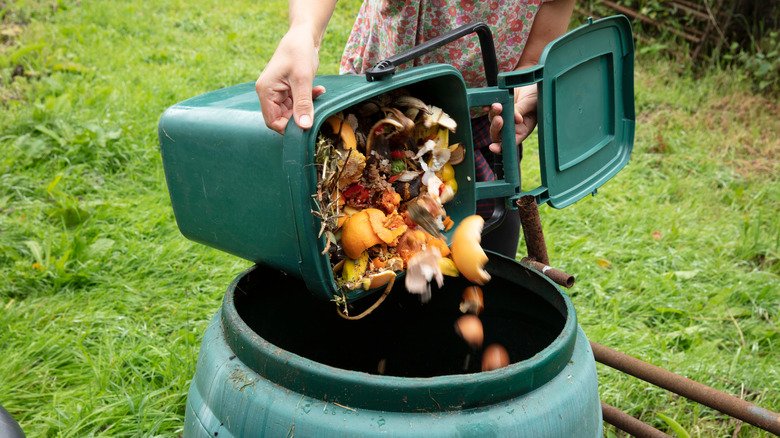
“Greens” refer to nitrogen-rich materials. These include your kitchen scraps like vegetable peelings, fruit cores, coffee grounds, and fresh grass clippings. These items provide the moisture and nutrients necessary for microorganisms to thrive and break down the pile.
The Role of Browns
“Browns” are carbon-rich materials. Dry leaves, twigs, shredded paper, cardboard, and straw fall into this category. They provide structure to the compost pile, allowing air to circulate. They also serve as a food source for the decomposers. A good rule of thumb is to aim for a ratio of roughly two parts brown to one part green. This balance prevents the pile from becoming a slimy, smelly mess and ensures efficient decomposition.
Benefits for Your Garden and Soil
The end product of composting is humus, a dark, earthy substance that is pure gold for plants. Adding this finished compost to your garden improves soil structure. Clay soils become lighter and drain better, while sandy soils retain moisture more effectively.
Compost also introduces beneficial bacteria and fungi to the soil. These microorganisms help plants absorb nutrients and protect them from diseases. Unlike synthetic fertilizers that provide a quick burst of nutrients, compost releases them slowly over time. This ensures a steady supply of food for your plants throughout the growing season. Using compost reduces the need for frequent watering as healthy, organic-rich soil holds water like a sponge.
Overcoming Common Barriers
Many people hesitate to start composting because they fear it requires too much space, time, or effort. However, modern methods make it accessible to everyone, regardless of living situation.



Indoor Solutions
Apartment dwellers can use vermicomposting, which utilizes worms to break down scraps in a small bin. Another option is Bokashi, a fermentation method that pickles waste in an airtight container. These systems are compact, odorless when managed correctly, and fit easily under a kitchen sink.
Outdoor Options
For those with yards, a simple pile or a tumble composter works wonders. Tumblers are enclosed bins that can be rotated, making it easy to mix the materials and speed up decomposition. They also keep pests away effectively.
When Composting Isn’t an Option
Sometimes, managing a compost pile at home is not feasible due to time constraints or physical limitations. This does not mean you have to send your organic waste to the landfill. Many communities now offer curbside compost pickup or drop-off locations at local gardens. In some areas, specialized services can help bridge the gap. For instance, you might find services offering organic compost delivery in Salt Lake City that also provide pick-up options for scraps, closing the loop without the personal labor. Check your local municipal resources to see what programs are available in your neighborhood.
Making the Shift to a Greener Lifestyle
Adopting composting habits often leads to greater awareness of other sustainable practices. As you separate your food scraps, you become more conscious of how much food goes to waste. This awareness can influence shopping habits, leading to smarter purchases and better meal planning. It connects you to the cycle of life, turning death and decay into growth and renewal. It is a tangible, daily action that reinforces a commitment to environmental stewardship.
By taking control of your organic waste, you contribute to a healthier planet. You improve the soil in your own backyard or community garden. You reduce the burden on landfills and lower greenhouse gas emissions. It is a practical, effective, and deeply rewarding way to make a positive difference.