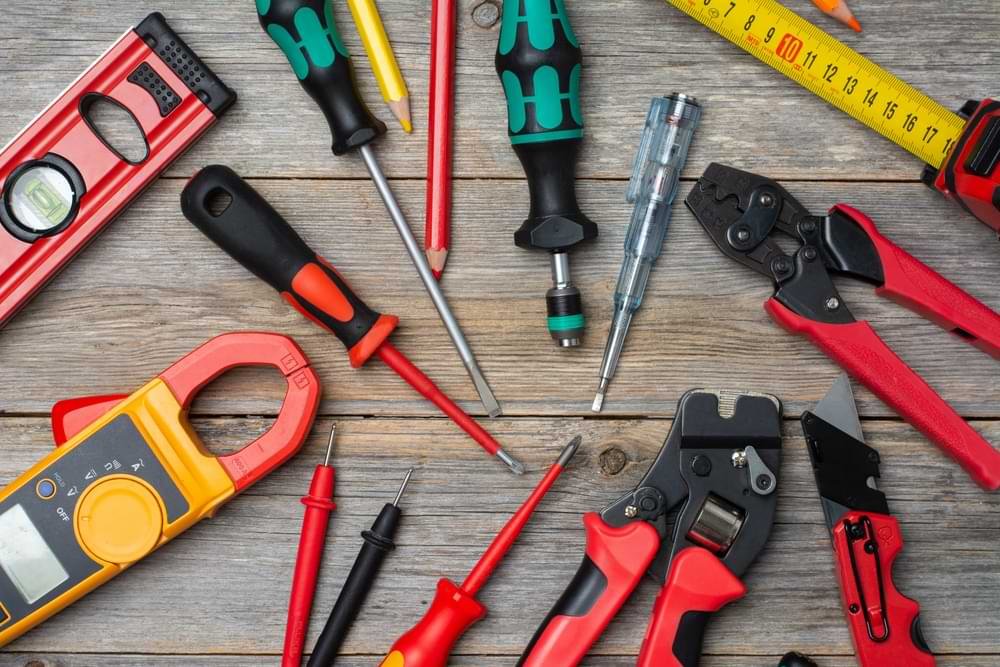
Electrician electrical tools are the specialized tools used to install, maintain, test, and repair electrical systems safely and accurately. They include hand tools, testing devices, and protective gear designed to work with live circuits and wiring components.
Using the correct electrician electrical tools helps reduce errors, limits exposure to electrical shocks, and improves job efficiency. These tools allow electricians to cut, strip, measure, bend, and inspect wiring with control and precision.
The exact tools required depend on the type of electrical work, system voltage, and safety standards involved.
Key Takeaways
- Electrician hand tools such as pliers, wire strippers, and cutters form the core of safe and accurate electrical work on any job site.
- Testing and diagnostic tools help verify power status, confirm circuit conditions, and reduce the risk of electrical shocks before contact.
- Tool quality depends on insulation ratings, durability, and compliance with safety standards, which directly affects long-term reliability.
- Many professionals rely on klein tools because consistent build quality and certified ratings support precision, safety, and repeatable results.
Core Hand Tools Every Electrician Uses
Most jobs rely on a small group of proven tools that handle daily tasks. These items appear on nearly every belt because they solve common problems fast. They also allow precise handling of wires and terminals.
Common electrician essentials include:
- Wire strippers for removing insulation without damaging conductors
- Needle nose pliers for tight spaces and fine bends
- Lineman s pliers for gripping, twisting, and pulling wire
- Side cutting pliers for clean wire cuts
Each tool serves a specific role and supports safe, repeatable results.
Cutting, Bending, and Routing Equipment
Some tasks require strength and control when shaping or guiding materials. Cutting tools and bending devices help manage thicker cables and conduit runs. These tools must handle pressure without slipping or deforming.
Key items used on job sites include:



- Cable cutters built for thick or multi-core wiring
- A conduit bender to shape metal or PVC pathways
- Fish tape for pulling wires through walls and conduit
Choosing heavy duty versions improves durability and reduces tool failure during long projects.
Testing and Diagnostic Tools for Accuracy
Before touching any circuit, verification is critical. Electrical testing confirms whether power is present and where issues exist. This step protects both the electrician and the property.
Essential diagnostic tools include:
- A voltage tester for quick checks
- Contact voltage testers for non-invasive safety checks
- Digital multimeters used to measure voltage, resistance, and continuity
These tools help identify faults early and support precise troubleshooting.
Safety Gear and Protective Accessories
Protection matters as much as precision. Electricians face risks from live current, sparks, and debris during installation. Proper gear lowers exposure and supports safer work habits.
Basic electrician tools accessories often include:
- Safety glasses to shield eyes from sparks and fragments
- Insulated grips to reduce contact risk
- Rated tools designed to limit electrical shocks
Using certified safety equipment aligns with industry standards and job site rules.
Tool Quality, Standards, and Real-World Use
Not all electrician electrical tools meet the same safety and performance standards. Insulation ratings, material strength, and grip design directly affect reliability during electrical work.
Professionals working in residential and commercial settings rely on certified tools to reduce failure and injury risk.
A licensed Bergen County electrician often selects tools based on local code requirements, building age, and load demands.
Using properly rated electrical instruments improves inspection outcomes and minimizes downtime. This approach also supports safer handling of live circuits and more consistent results on site.
Matching Tools to Real Electrical Tasks
Choosing the right tools starts with understanding the task, the environment, and the electrical load involved. Residential repairs, panel upgrades, and commercial installs each require different levels of precision, reach, and protection.
Using tools that match wire size, voltage, and access conditions reduces errors and limits unnecessary strain on equipment. A task-focused setup improves safety and keeps your workflow consistent.
Key factors to match tools to the job include:
- Wire type and gauge – thicker conductors require stronger cutting and gripping tools.
- Voltage level – higher voltage work demands insulated and rated tools.
- Work environment – tight panels or conduits need slim, controlled tools.
- Frequency of use – daily-use tools should prioritize comfort and durability.
When tools align with real job demands, work becomes faster, safer, and easier to repeat correctly.
Building a Safe and Reliable Electrical Workflow
Electrician electrical tools support accuracy, safety, and long-term consistency on every job. When tools meet safety ratings and fit the task, you reduce downtime and lower exposure to electrical shocks.
Regular inspection, proper storage, and timely replacement keep your setup dependable. A well-planned tool system turns experience into repeatable results.