Tarps protect outdoor equipment and materials as well as create outdoor spaces. A lot of people need them for storage, farming, construction, and travel. Tarpaulins are often prone to sun rotting due to extensive exposure to the sun over time. This harm weakens the material, creates cracks, and reduces the tarp’s lifespan. Tarpaulins that resist UV rays solve this problem by absorbing sunlight. If you know how to work a particular item correctly, then it will save you money.
- What Is Sun Rot and Why Does It Happen
- Why UV Resistance Matters for Tarpaulins
- Materials Used in UV-Resistant Tarpaulins
- How UV-Resistant Tarpaulins Prevent Sun Damage
- Choosing the Right UV-Resistant Tarpaulin
- Proper Installation to Reduce Sun Rot
- The Role of Color in UV Protection
- Cleaning and Maintenance for Longer Life
- Correct Storage When Not in Use
- Using Covers and Shade for Extra Protection
- Common Mistakes That Cause Early Sun Rot
- Signs That a Tarpaulin Is Losing UV Protection
- Benefits of investing in UV-resistant tarpaulins
- Conclusion
What Is Sun Rot and Why Does It Happen
When the fabric breaks down due to ultraviolet rays, tarpaulin develops sun rot. Over time, the sun dries the material and makes it less flexible. Consequently, the tarp goes brittle and starts to tear easily. Low-quality tarps and others that are not built for outdoor use are usually damaged faster. When we keep the item under the sun for a long time, the risk increases, especially in hot weather. The UV rays are a year-round feature of those climates.
Why UV Resistance Matters for Tarpaulins
The UV-resistant tarpaulins have special treatments that block or reduce ultraviolet damage. The treatments ensure that the fabric sustains its strength and colour. Thanks to this protection, the tarp lasts longer and performs better outdoors. Items you store outside for months need to resist UV rays. In the absence of it, thick tarpaulins can fail earlier too.
Materials Used in UV-Resistant Tarpaulins
Polyethylene or PVC is mostly used in UV resistant tarps. Manufacturers mix UV inhibitors during manufacture to protect the fiber. While polyethylene tarps have a light feel but strong nature, PVC tarps are heavier and more durable than the former. This makes them more suitable for heavy-duty tarping applications. Both materials do well in the sun when treated properly. The material selection will depend on the length of time tarps will be exposed and the environment’s harshness.
How UV-Resistant Tarpaulins Prevent Sun Damage
UV-resistant tarpaulins reflect or absorb harmful rays before they get into the fabric. The coating that protects slows down the deterioration from sunlight. Consequently, the tarp remains pliable and durable for extended periods. It prevents cracking, fading, and thinning out. After a long time of storage, this difference becomes quite apparent.
Choosing the Right UV-Resistant Tarpaulin
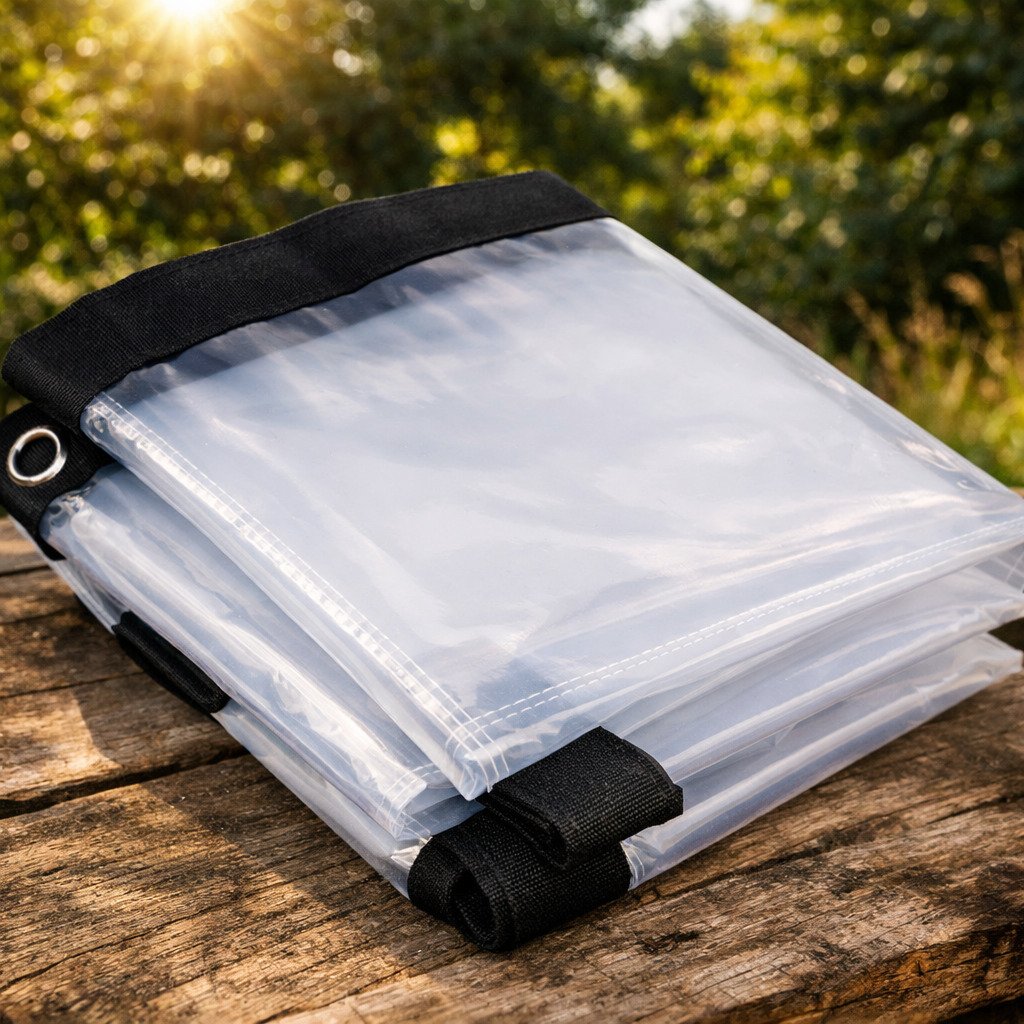
Choosing the right tarp starts with understanding your storage needs. A covering tarp would not stand up to constant sunlight. Clear Tarpaulin with higher UV ratings and thickness work best for long-term storage. Inspecting if they’re UV-treated or UV-stabilized ensures good quality. At times, spending a little extra helps for a longer life span.
Proper Installation to Reduce Sun Rot
Even UV-resistant tarpaulins must be properly installed. A tarp that’s securely fastened will move less. The less movement, the less friction, and the slower rate of wearing. Air can help remove heat if allowed underneath. Material breakdown speeds up with heat and sunlight, leaving enough gaps, which results in durability.
The Role of Color in UV Protection
Surprisingly, colour can contribute to sun protection. Using tarpaulins that are dark in color can cause heat stress. Light-colored tarpaulins reflect sunshine and keep cool. This reflection helps prevent heat damage during prolonged storage. Choosing lighter colors can help to lengthen the lifespan if sun exposure remains constant.


Cleaning and Maintenance for Longer Life
Regularly cleaning tarpaulins maintains their good condition. Heat and moisture get trapped in dirt and debris, which weakens it. Use mild soap and water to wash the tarp and remove buildup. After cleaning it, let it dry completely to avoid mold and damage on the surface. It is the neglected tarpaulin that receives ultraviolet rays badly, as compared to the clean tarp.
Correct Storage When Not in Use
If the tarp is not in use, storing it properly will help it make a difference. When folded neatly and kept away in a shaded, dry place, it helps preserve U.V. protection. Never leave unused tarpaulins open under sunlight for no reason. This easy habit adds years to their lives, ensuring they remain useful when needed.
Using Covers and Shade for Extra Protection
If the tarp is not in use, storing it properly will help it make a difference. When folded neatly and kept away in a shaded, dry place, it helps preserve U.V. protection. Never leave unused tarpaulins open under sunlight for no reason. This easy habit adds years to their lives, ensuring they remain useful when needed.
Common Mistakes That Cause Early Sun Rot
Many people think that all tarps get sun-like. This presumption causes damage early on. Using thin tarps for long-term dusting often results in cracks and tearing. Another mistake is stretching tarps too tightly, as this weakens fibres under heat. Steering clear of these mistakes allows tarpaulins to last longer.
Signs That a Tarpaulin Is Losing UV Protection
As time goes by, tarpaulins show warnings. UV damage can be indicated by fading color and stiff paint. When these signs arise, the tarp may no longer sufficiently protect the stored goods. Changing damaged tarps sooner stops exposure and loss.
Benefits of investing in UV-resistant tarpaulins
UV-resistant tarpaulins are valuable. They protect your equipment and lower replacement costs. After being exposed to the sun for months, they still remain strong and flexible. They give reliable coverage in all seasons, for farms, construction sites, and outdoor sites.
Conclusion
Sun rot is one of the biggest threats a tarpaulin faces when stored long-term. UV-resistant tarpaulins offer a solid barrier against harmful sun rays. You can prolong the life of your asphalt by selecting correctly, installing rightly and maintaining it properly. Cleaning, shading, and proper storage are ample things you can do. Over time, UV-resistant tarpaulins are a great investment for your protected items and for your pocket.
![12+ Best Dog Food For Allergies [2025]](https://reelsmedia.co.uk/wp-content/uploads/2026/02/pexels-fotios-photos-791862-150x150.jpg)