Listen, if you’re in Zahir Pir right now, maybe sipping chai and scrolling through this on your phone at 5 in the evening, I know exactly how you’re feeling. That mix of excitement about America – better pay, schools for the kids, a real shot at something stable – and the worry that the whole visa thing, including American visit visa requirements, is just too complicated or too expensive. I’ve heard it from friends, neighbors, even family. “Bhai, is it even possible for us?”
- What the EB-3 Visa Really Means for You
- What You Actually Need to Qualify
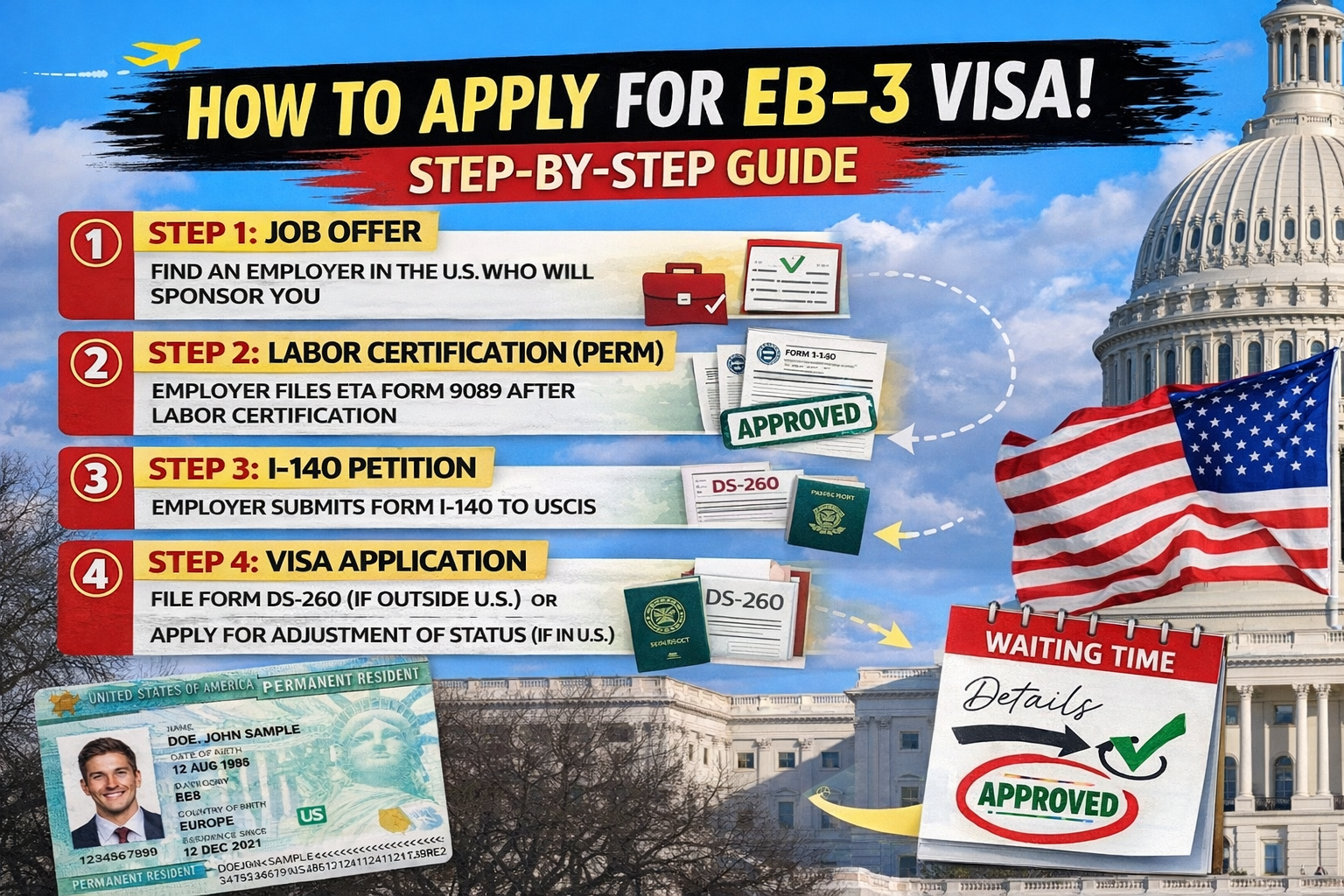
- The Real Steps – How It Actually Goes Down from Pakistan
- Land the sponsoring job
- PERM stage
- I-140 petition
- Visa Bulletin wait
- Interview in Islamabad
- Fly over and start
- The Work Permit Part Everyone Asks About
- Thinking About EB2 or L1A Instead?
- A Bit of Real Talk to End With
I’m not going to sugarcoat it: it’s not quick, there are forms, waits, and some money involved. But people from Punjab villages to Karachi apartments have done it. Let me break it down like I’m telling my own brother over the phone.
What the EB-3 Visa Really Means for You
At its heart, EB-3 is a Green Card through a job. There are three groups:
- Skilled workers – you need at least 2 years of experience or training (like electricians, mechanics).
- Professionals – if you have a bachelor’s degree that matches the position.
- Other workers – entry-level jobs needing under two years of experience, including farm, hotel, factory, or home-care support.
Once approved, you get permanent residency. You can live anywhere in the States, work without restrictions, bring your wife and kids under 21. Your wife can get a work permit and find a job too. Eventually, citizenship is on the table. That’s life-changing stuff for families back home.
What You Actually Need to Qualify
No fancy degrees required for most. The real must-haves:
- A solid, full-time permanent job offer from a US employer who’s willing to sponsor you (this is the big one – they have to want you).
- Fit one of those three categories.
- The employer proves through a government process (PERM) that they couldn’t find an American for the job.
- You’re healthy and no major criminal issues.
For Pakistanis in early 2026, waits aren’t as bad as for some other countries. PERM labor certification is taking around 16 months these days, then more steps. Total journey? Often 2–4 years, but it moves.
The Real Steps – How It Actually Goes Down from Pakistan
Land the sponsoring job
This is where most people get stuck at first. Some connect through relatives already there, others use recruiters or consultants who know real employers in places like Texas or California needing workers.
PERM stage
Your employer advertises the job in the US to show no local person qualifies. Takes time – think 1–1.5 years usually.



I-140 petition
Employer files with USCIS. Another 6–12 months (faster if they pay extra for premium).
Visa Bulletin wait
Your “priority date” (when PERM was filed) has to become current. Check it monthly – it’s the part where patience really gets tested.
Interview in Islamabad
Fill DS-260, medical check (in Pakistan), go to the US Embassy for the interview. If it goes well, you get the visa.
Fly over and start
Green Card comes in the mail soon after landing. Boom – you’re in.
While the process is documentation-intensive, working with an experienced guide who understands your language and the system greatly reduces the complexity.
The Work Permit Part Everyone Asks About
Good news: the second you step into the US with your EB-3 immigrant visa, you can work legally right away – no extra application needed at the start. Your spouse applies for their own work permit (EAD) and can earn too. That security changes everything.
Thinking About EB2 or L1A Instead?
f you’ve got a master’s, or a bachelor’s plus solid experience (engineers, IT folks), EB2 visa requirements might be worth a look—sometimes faster, but with tougher rules.
For managers/executives already in a company with US ties, L1A visa USA is a quicker temporary option (up to 7 years), and it can lead to a Green Card later. No PERM hassle either.
But for most everyday skilled or unskilled workers, EB-3 is the practical choice.
A Bit of Real Talk to End With
This isn’t a magic ticket. There are costs, waits, and days when you’ll wonder why it’s taking so long. But every family who’s made it started right where you are – hoping, doubting, asking questions.
If you want help that’s honest, local (they’ve got an office in Lahore), and focused on Pakistanis – people who explain in simple Urdu/English, handle the headaches, and don’t overcharge – check out places like applyusavisas.com. They’ve helped folks like Umer who brought his whole family, or others who say the guidance was transparent and worth it.
You’re not just another application. You’re someone with dreams, family counting on you, and real skills the US needs.
Take that first step – look into your options, talk to someone who’s been through it. Who knows? This time next year, you might be planning your flight.