Picture this: you’re in the middle of filming a once-in-a-lifetime interview when your camera’s battery indicator flashes red. That sinking feeling of losing critical footage to a power failure is every videographer’s nightmare. This is precisely why professional filmmakers have made V-Mount batteries the industry standard for reliable, long-lasting camera power. Whether you’re shooting a documentary in remote locations, capturing a wedding, or producing studio content, understanding V-Mount power solutions can transform your workflow from anxious battery-watching to confident, uninterrupted filming. This comprehensive guide will walk you through everything you need to know about V-Mount systems—from selecting the right battery capacity and features to building a complete power ecosystem that matches your specific shooting style. We’ll explore how these versatile powerhouses deliver the capacity to run multiple devices simultaneously, the reliability to perform in challenging conditions, and the flexibility to adapt to any production scenario, ensuring you never miss a shot due to power concerns again.
- What is a V-Mount Battery and Why is it the Videographer’s Choice?
- Choosing the Right V-Mount Battery: A Buyer’s Guide
- Capacity (Wh) vs. Weight: Finding Your Balance
- Beyond Capacity: Key Features to Look For
- The Rugged Choice: Understanding Triple-Proof Batteries
- Building Your Complete V-Mount Camera Power Supply System
- Top V-Mount Battery Picks for Different Filmmaking Styles
- For the Run-and-Gun Videographer: Compact and Lightweight
- For the Studio and Long-Form Specialist: Maximum Capacity
- For the Adventure Documentarian: Rugged and Reliable
- Power Your Professional Filmmaking with Confidence
What is a V-Mount Battery and Why is it the Videographer’s Choice?
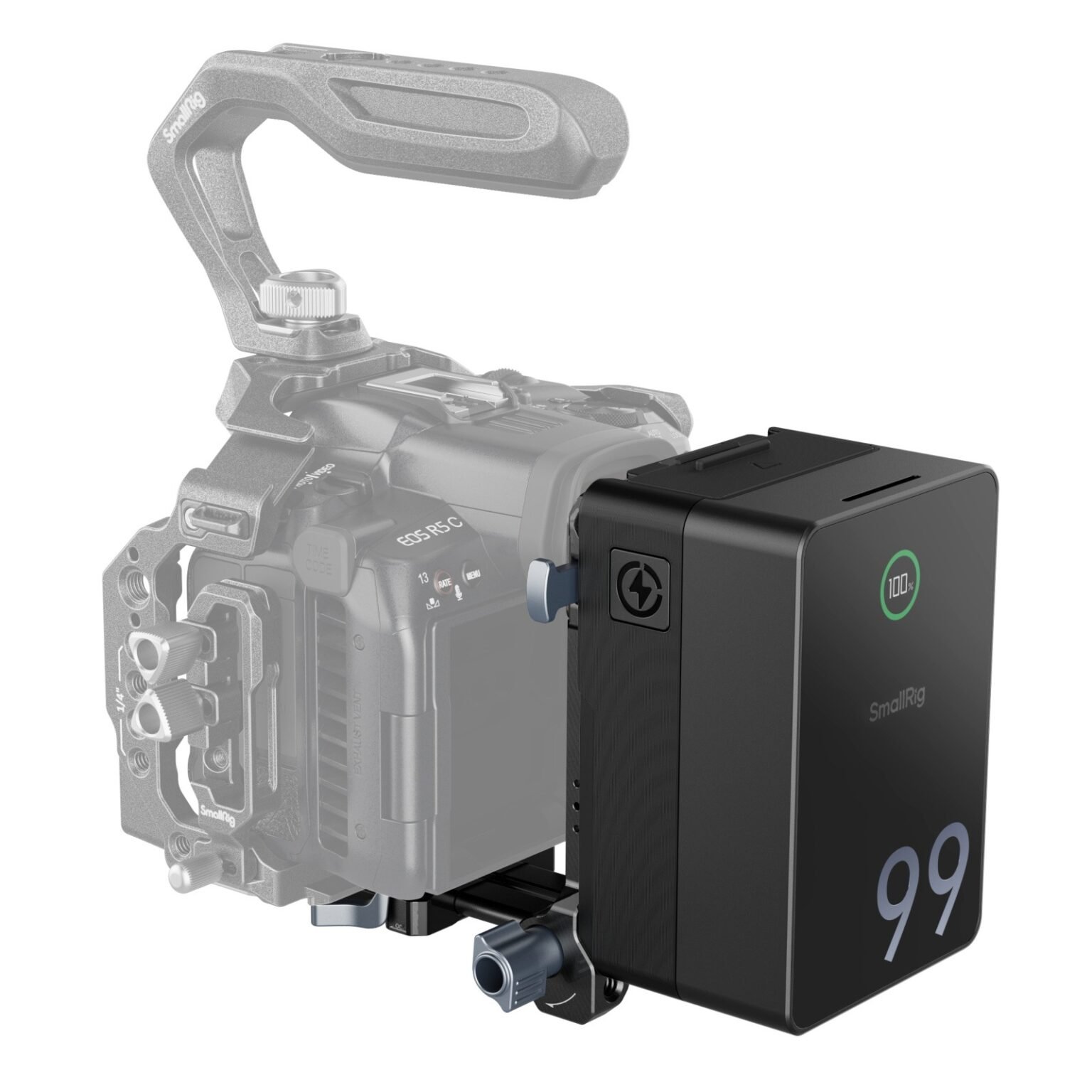
A V-Mount battery is a professional-grade rechargeable lithium-ion power system designed specifically for demanding video production environments. Named after its distinctive V-shaped wedge locking mechanism, this battery slides onto a compatible plate and locks securely with a simple push-and-twist motion. Most V-Mount batteries operate at 14.4V or 14.8V nominal voltage, with capacities typically ranging from 50Wh for compact models to 300Wh for high-capacity dual-cell versions. Unlike proprietary camera batteries that lock you into a single manufacturer’s ecosystem, or Gold Mount batteries which use a different mounting standard, V-Mount has emerged as the dominant universal power solution across the industry. The advantages are compelling: these batteries deliver exceptional capacity that can power a cinema camera for hours rather than minutes, eliminating constant battery swaps during critical takes. Their robust metal construction withstands the rigors of professional use far better than plastic camera batteries. The hot-swappable capability means you can exchange batteries without powering down your camera when using a dual-battery plate. Perhaps most importantly, V-Mount batteries have spawned an entire ecosystem of compatible devices—you can power not just cameras, but also monitors, LED lights, wireless transmitters, audio recorders, and even laptops using the same battery system, simplifying your kit and reducing the number of different chargers and power solutions you need to carry.
Choosing the Right V-Mount Battery: A Buyer’s Guide
Capacity (Wh) vs. Weight: Finding Your Balance
The fundamental tension in selecting a v battery comes down to a simple physics problem: more energy storage means more weight. A 50Wh battery might weigh just 0.7 pounds, while a 300Wh powerhouse can tip the scales at over 4 pounds. For gimbal operators and documentary shooters who spend hours with the camera on their shoulder, every ounce matters—these users typically gravitate toward 50-95Wh batteries that provide 2-4 hours of runtime without compromising mobility. Studio shooters and interview specialists, conversely, prioritize endurance over portability, choosing 150-300Wh batteries that can power a camera, monitor, and wireless system through an entire day without swapping. The practical approach is matching battery size to your primary shooting scenario: if you’re constantly moving, accept shorter runtime for reduced fatigue; if your camera sits on sticks or a slider, maximize capacity to eliminate interruptions. Many professionals maintain both compact and high-capacity batteries in their kit, selecting based on each shoot’s specific demands.
Beyond Capacity: Key Features to Look For
Raw capacity tells only part of the story—modern V-Mount batteries function as mobile power stations with features that dramatically enhance workflow efficiency. Output options determine versatility: look for at least one D-Tap port for powering monitors or lights, plus USB-A or USB-C ports for charging phones and tablets between takes. Power meters have evolved from simple four-LED indicators to precise LCD screens displaying remaining percentage, voltage, and even estimated runtime—critical information when planning your shooting schedule. Fast-charging capability matters when turnaround time is tight; batteries supporting 3A or higher charging can go from empty to full in 2-3 hours rather than overnight. Advanced batteries incorporate smart communication protocols like CAN Bus, which allows compatible cameras to display accurate battery percentage on their own screens rather than generic voltage readings. Temperature monitoring prevents overheating during heavy draws, while over-discharge protection extends battery lifespan by preventing damage from complete depletion.
The Rugged Choice: Understanding Triple-Proof Batteries
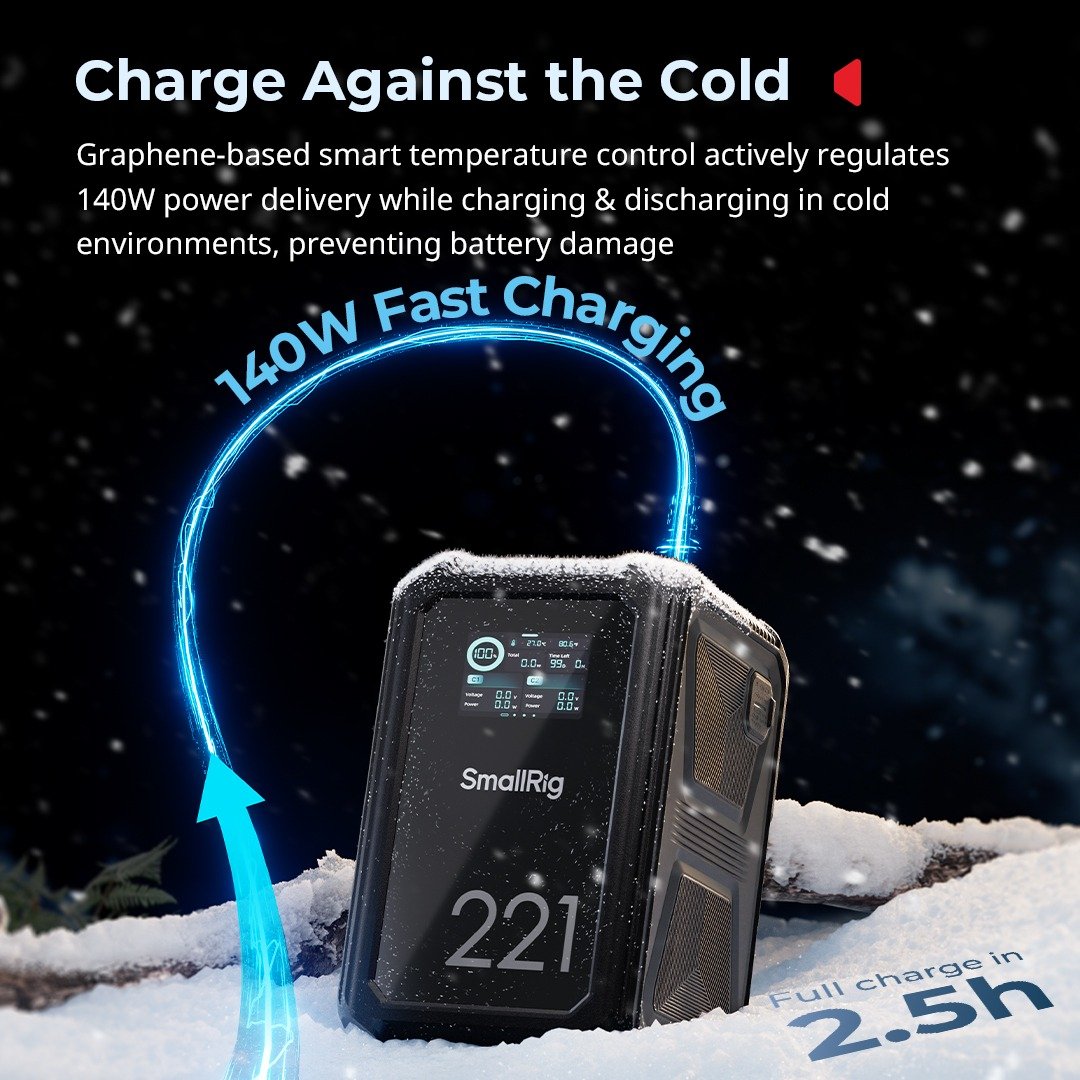
Standard V-Mount batteries perform admirably in controlled environments, but documentary filmmakers covering protests in the rain, wildlife videographers in dusty savannas, or wedding shooters working through unpredictable weather need batteries engineered for abuse. Triple-proof batteries feature IP-rated sealing against water and dust ingress—typically IP65 or higher—meaning they can withstand direct spray and dusty conditions without compromising internal electronics. Reinforced housing with rubberized corners absorbs impacts from drops and bumps that would crack standard battery cases. These ruggedized designs prove essential when shooting in coastal environments where salt spray corrodes electronics, during adventure films where equipment takes constant physical punishment, or in extreme temperatures where standard batteries fail. The peace of mind alone justifies the investment for professionals whose livelihood depends on capturing unrepeatable moments regardless of conditions. While triple-proof batteries typically carry a premium and add slight weight compared to standard models, they eliminate the anxiety of equipment failure in challenging environments. Consider them mandatory insurance if more than 30% of your work happens outside controlled studio settings or involves exposure to the elements.
Building Your Complete V-Mount Camera Power Supply System
Essential Accessories: Plates, Adapters, and Cables
A V-Mount battery alone cannot power your camera—it requires a supporting infrastructure of plates, adapters, and cables that transform stored energy into usable power for your specific equipment. The V-Mount plate serves as the foundation, attaching either directly to your camera’s tripod mount or integrating into a camera cage system; choose plates with built-in D-Tap and USB outputs for maximum flexibility in distributing power to accessories. Dummy batteries bridge the gap between V-Mount power and cameras designed for proprietary batteries—these adapters slide into your camera’s battery compartment while drawing power from the V-Mount via cable, enabling native camera communication for accurate battery metering. High-quality D-Tap to barrel cables connect monitors, wireless transmitters, and other accessories directly to your battery’s D-Tap ports; always verify voltage compatibility and use cables with proper gauge wiring to prevent voltage drop over longer distances. Power distribution boxes multiply your options, splitting one V-Mount connection into multiple regulated outputs at different voltages. Prioritize accessories from established manufacturers with proper safety certifications—cheap cables and plates lack overcurrent protection and can damage expensive equipment or create fire hazards. The investment in quality supporting gear protects your entire production ecosystem.
Power Management and Safety Best Practices
Maximizing battery lifespan and ensuring safe operation requires disciplined power management habits that many videographers overlook until problems arise. Balance your power draw across multiple batteries rather than depleting one completely before switching—this prevents over-discharge damage and extends cycle life significantly. Charge batteries using only manufacturer-approved chargers that implement proper charge termination; generic chargers may overcharge cells, creating safety hazards and degrading capacity. Store batteries at 40-60% charge when not in use for extended periods—full storage charge accelerates degradation while empty storage can render batteries unrecoverable. Monitor operating temperatures during heavy use; if a battery becomes uncomfortably hot to touch, reduce the load or allow cooling time to prevent thermal stress on cells. When traveling by air, verify your battery capacity falls within airline limits (typically 100Wh for carry-on without approval, up to 160Wh with airline permission), keep batteries in carry-on luggage rather than checked bags, and tape over exposed terminals to prevent short circuits. Inspect batteries regularly for swelling, case damage, or port corrosion—any physical abnormalities warrant immediate retirement from service. Following these protocols ensures your power investment delivers years of reliable service rather than premature failure.



Top V-Mount Battery Picks for Different Filmmaking Styles
For the Run-and-Gun Videographer: Compact and Lightweight
Mobility-focused shooters need batteries that disappear into their workflow rather than dominating it. Compact V-Mount batteries in the 50-99Wh range strike the ideal balance, delivering 2-4 hours of runtime while adding minimal weight to handheld rigs and gimbals. These smaller form factors maintain proper balance on stabilizers where heavier batteries would require constant readjustment of counterweights. Documentary filmmakers covering events, wedding videographers moving between ceremony locations, and content creators shooting B-roll throughout a city benefit enormously from batteries that don’t fatigue the shoulder after hours of shooting. The reduced bulk also means easier packing in camera bags with limited space. SmallRig offers compact 99Wh models that exemplify this category, providing airline-compliant capacity while maintaining the lightweight profile essential for mobile shooting. Pair these compact batteries with a quick-change plate system and carry three units to rotate through a full day’s shooting—the combined weight still remains lighter than a single high-capacity battery while providing comparable total runtime with the flexibility to share power across multiple camera bodies.
For the Studio and Long-Form Specialist: Maximum Capacity
Interview productions, live streams, and studio shoots demand uninterrupted power that outlasts the longest takes without battery anxiety. High-capacity V-Mount batteries ranging from 150Wh to 300Wh excel in stationary scenarios where weight becomes irrelevant but runtime is paramount. These powerhouses can simultaneously drive a cinema camera, external monitor, wireless video transmitter, and LED panel light for 6-10 hours of continuous operation—eliminating disruptive battery swaps during critical interviews or live broadcasts. Dual-cell configurations offer even greater capacity while maintaining compatibility with airline carry-on regulations when traveling to remote shooting locations. Studio professionals appreciate the ability to power an entire workstation from a single battery source, simplifying cable management and reducing the tangle of power adapters. The investment in maximum capacity pays dividends in workflow efficiency, allowing crews to focus on creative decisions rather than power logistics during extended productions.
For the Adventure Documentarian: Rugged and Reliable
Filmmakers working in challenging environments cannot afford power failure when capturing unrepeatable moments in nature, conflict zones, or extreme weather. Ruggedized triple-proof V-Mount batteries engineered with IP65 or higher ratings provide essential protection against rain, snow, dust, sand, and physical impacts that would disable standard batteries. Reinforced construction with sealed ports and rubberized armor withstands the punishment of expedition filming—whether documenting wildlife in humid rainforests, covering protests in urban environments, or shooting action sports in desert conditions. These batteries maintain performance across wider temperature ranges, functioning reliably in both freezing mountain conditions and scorching desert heat where standard lithium cells would fail or trigger safety shutoffs. The modest weight penalty and higher cost become negligible insurance when your livelihood depends on equipment that performs regardless of conditions. Adventure shooters should consider ruggedized batteries mandatory equipment, not optional upgrades.
Power Your Professional Filmmaking with Confidence
V-Mount batteries have earned their status as the professional videographer’s power solution of choice for compelling reasons: they deliver the capacity to shoot for hours without interruption, the versatility to power entire production ecosystems from a single source, and the reliability to perform when capturing unrepeatable moments. The right V-Mount setup for your work depends on honestly assessing your primary shooting scenarios—run-and-gun operators prioritize compact, lightweight batteries that preserve mobility; studio specialists invest in maximum capacity for marathon sessions; adventure filmmakers demand ruggedized protection against the elements. Beyond the battery itself, building a complete power system with quality plates, cables, and accessories transforms your V-Mount investment into a comprehensive solution that simplifies workflow and eliminates the anxiety of mid-shoot power failures. Whether you’re just entering professional video production or refining an established kit, take time to evaluate your typical shooting conditions, runtime requirements, and environmental challenges against the selection criteria outlined in this guide. The confidence that comes from never watching a battery meter with dread, never missing a critical moment due to power loss, and never carrying redundant charging systems for different devices—that’s the freedom a properly configured V-Mount power system delivers, allowing you to focus entirely on the creative work that defines your craft.