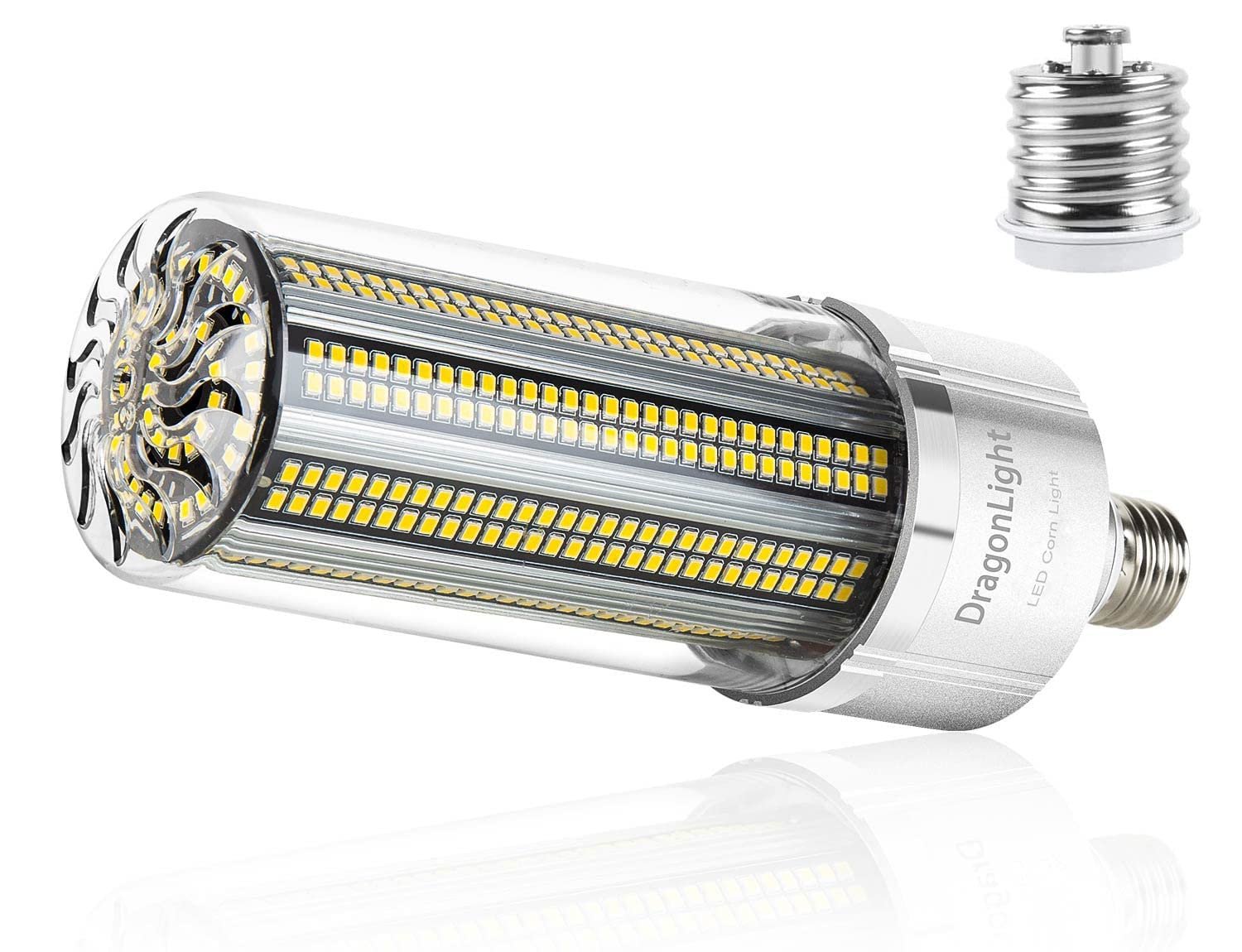
400W metal halide LED replacement bulbs swap outdated halide fixtures or modern LED technology. They deliver the same brightness as traditional 400-watt bulbs. They use only 100-150 watts. The switch cuts energy costs by 60-75%. No ballast failures. No frequent replacements. Just years of consistent lighting.
Standard facilities waste money on metal halide systems. These old fixtures dim over time. Ballasts fail regularly. Heat output damages surrounding equipment. LED replacements fix all these problems.
Why Metal Halide Technology Fails
Rapid Light Loss Over Time
Metal halide bulbs lose brightness quickly. Output drops 50% before the bulb burns out. Spaces become dimmer gradually. Workers struggle with poor visibility. Safety risks increase. Facilities replace bulbs early anyway.
Expensive Maintenance Demands
Ballast replacements cost hundreds of dollars. Bulbs fail every 6,000-10,000 hours. Each fixture needs attention regularly. Labor costs add up fast. Large facilities with 50+ fixtures spend thousands monthly on maintenance alone.
Excessive Heat Generation


400-watt metal halide bulbs produce intense heat. Wiring ages faster. Surrounding materials degrade. Cooling systems work harder. Indoor spaces become uncomfortable. Equipment lifespan shortens.
Uneven Light Distribution
Metal halide fixtures create bright spots and dark shadows. Parking lots have visibility gaps. Warehouses have blind spots. Unsafe conditions develop. Security suffers.
LED Replacement Performance Metrics
Brightness Comparison
A 400W metal halide produces 18,000-22,000 lumens in early operation. The same space needs 18,000-25,000 lumens for proper illumination.
Quality LED replacements deliver 16,000-18,000 lumens at 100-120 watts. Performance matches or exceeds metal halide output. Energy usage drops dramatically.
Efficiency Reality
Metal halide: 70-90 lumens per watt.
LED: 140-170 lumens per watt.
One LED bulb does the work of two metal halide bulbs. Same brightness. Half the power.
Lifespan Advantage
Metal halide: 5,000-15,000 hours.
LED: 50,000-100,000 hours.
One LED replacement lasts 10 times longer. Fewer bulb purchases. Reduced ladder work. Lower replacement costs.
Instant-On Technology
Metal halide bulbs warm up slowly. Full brightness takes 2-5 minutes. Power outages require long restart periods.
LED replacements reach full brightness instantly. No warm-up time. Emergency lighting works immediately. Reliability improves.
Financial Impact Analysis
Annual Savings Per Fixture
A 400W fixture running 12 hours daily uses 1,440 watts daily.
Monthly consumption: 43.2 kWh.
Annual consumption: 518.4 kWh.
At $0.12 per kilowatt-hour, annual cost: $62.20.
Switching to 120W LED:
Monthly consumption: 4.32 kWh.
Annual consumption: 51.84 kWh.
Annual cost: $6.22.
Savings per fixture: $56 annually.
A warehouse with 30 fixtures saves $1,680 yearly just in electricity.
Maintenance Cost Elimination
Removing ballast replacement costs saves $300-500 per fixture.
Eliminating frequent bulb changes saves $50-100 per fixture annually.
Labor hours drop significantly. One technician handles more facilities.
Installation and Compatibility
Socket Compatibility
Most 400W metal halide fixtures use E39 mogul base sockets. Standard LED replacements fit this socket type. Installation takes minutes. No rewiring required.
Verify socket type before ordering. Check fixture nameplate. Confirm voltage rating.
Ballast Options
Ballast-bypass models remove the existing ballast. Direct power connection supplies electricity. Eliminates future ballast failures. Requires basic electrical knowledge or professional installation.
Ballast-compatible models work with current ballasts. Simpler installation process. Works with existing fixtures. Performance may vary based on ballast condition.
Universal models operate with or without ballasts. Maximum flexibility. Works in mixed-age fixture environments. Ideal for phased retrofit projects.
Voltage Specifications
Standard replacements: 100-277V. Fits most commercial facilities. Check building electrical panel.
High-voltage models: 347-480V. For industrial facilities. Power distribution systems differ.
Mismatch between bulb voltage and fixture voltage causes problems. Verify specifications before installation.
Color Temperature Selection
4000K (Neutral White)
Clean, clear light. Indoor work areas perform better. Retail stores use this for product visibility. Color rendering appears natural. Eye strain reduces. Workers prefer this temperature.
5000K (Daylight White)
Bright, crisp daylight appearance. Parking lots benefit from high visibility. Outdoor security lighting uses this standard. Mimics natural sunlight. Preferred for safety-critical applications. Most popular choice for replacement projects.
3000K (Warm White)
Softer, warmer appearance. Used when aesthetics matter. Some facilities prefer this tone. Still outperforms metal halide efficiency.
Real Performance Scenarios
Parking Lot Lighting
100 fixtures running 10 hours nightly.
Metal halide: 40,000 watts total consumption.
LED replacement: 12,000 watts total consumption.
Monthly energy cost reduction: $3,360.
Annual savings: $40,320.
Maintenance calls drop from 20 yearly to 2 yearly.
Warehouse Lighting
50 high-bay fixtures running 16 hours daily.
Metal halide annual consumption: 28,800 kWh.
LED consumption: 4,320 kWh.
Annual electricity savings: $2,905.
Maintenance savings: $2,000-3,000 annually.
Total annual benefit: $5,000+.
Manufacturing Facility
30 fixtures running 24/7.
Metal halide annual consumption: 105,120 kWh.
LED consumption: 31,536 kWh.
Annual cost difference: $8,833.
Better light quality improves worker productivity. Fewer safety incidents reported. Quality defects decrease.
Choosing the Right Replacement
Lumens vs. Wattage
Lumens measure actual light output. Wattage measures power consumption.
Buyer focus: lumens. The brightness target is 18,000-25,000 lumens. This matches original 400W metal halide output.
Check lumen ratings on product specifications. Ignore wattage claims. Lumens determine lighting effectiveness.
Fixture Condition Assessment
Check fixture age before buying. Older fixtures may need complete replacement. Structural damage requires new housing.
Assess current ballast condition. Faulty ballasts cause problems even with compatible LEDs. Replace ballasts when switching.
Verify socket size. Standard E39 sockets are common. Non-standard sockets require different approaches.
Environmental Conditions
Indoor fixtures: Standard models work fine. No special protection needed.
Outdoor fixtures: IP65 or higher waterproof rating required. Moisture causes LED circuit board failure. Corrosion damages connections.
Extreme temperature environments: Check operational temperature range. Cold climates need cold-rated models. Hot zones need heat-resistant designs.
Implementation Timeline
Week 1-2
Audit current fixtures. Count total fixtures. Note age and condition. Identify problem areas. Calculate energy consumption.
Week 3-4
Select appropriate LED models. Request quotes from suppliers. Compare lumen output. Verify voltage compatibility.
Week 5-6
Purchase replacements. Order in bulk for volume discounts. Arrange installation timing.
Week 7-8
Install replacements. Professional installation ensures proper setup. Verify light output. Test fixture performance.
Week 9+
Track energy bills. Monitor fixture performance. Document maintenance changes. Calculate actual savings.
Bottom Line Results
400W metal halide LED replacement bulbs eliminate maintenance headaches. Energy bills drop immediately. Light quality improves throughout facilities. Worker visibility increases. Safety improves. Equipment lifespan extends. Money returns fast through lower operating costs.
The investment pays for itself within 2-3 years. Performance lasts 10+ years. Savings continue indefinitely. Modern technology beats outdated systems every single time.